Royal Navy K3 Scout USV fitted with Saab Giraffe 1X radar in new “drone seeker” trial


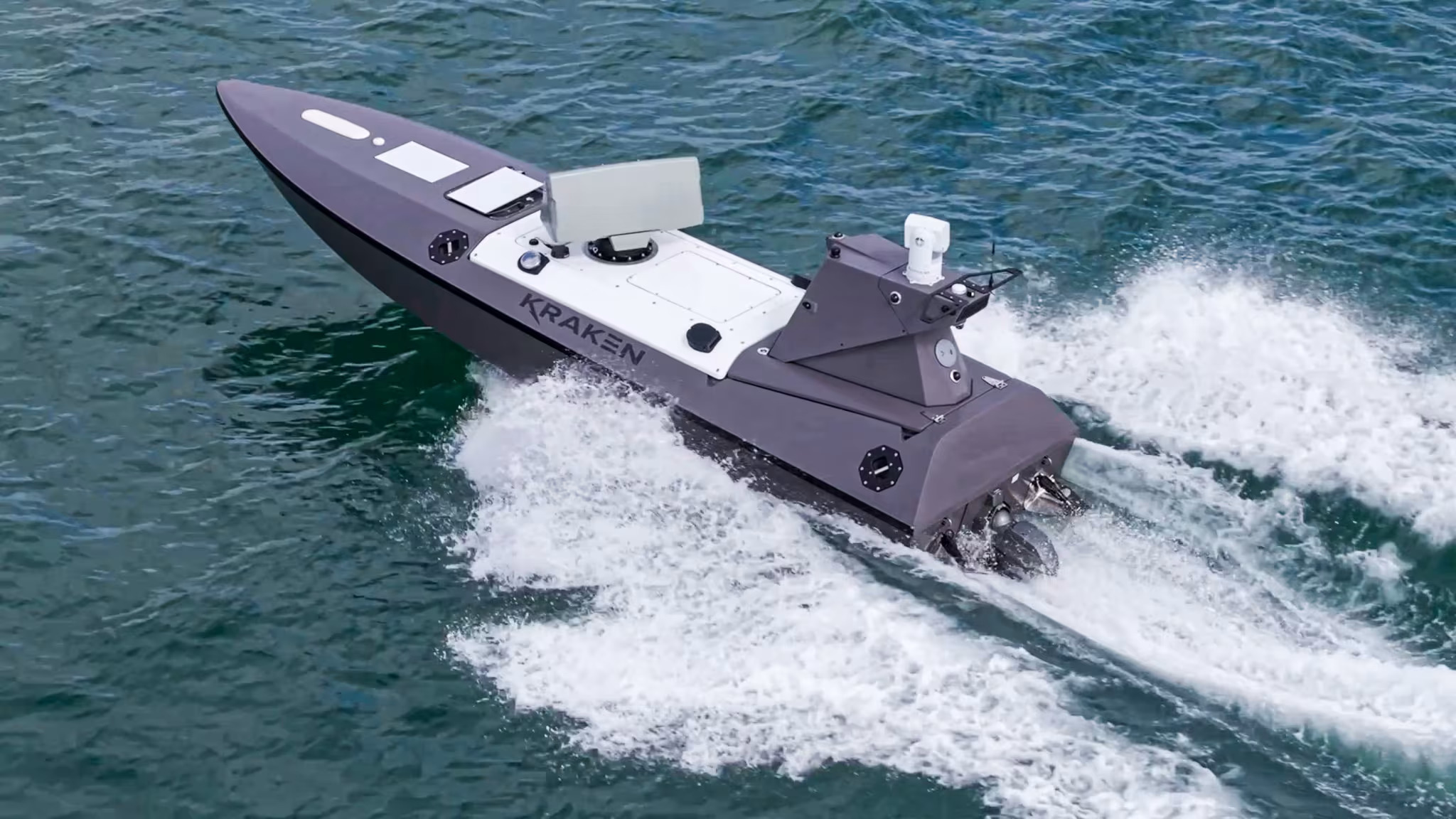
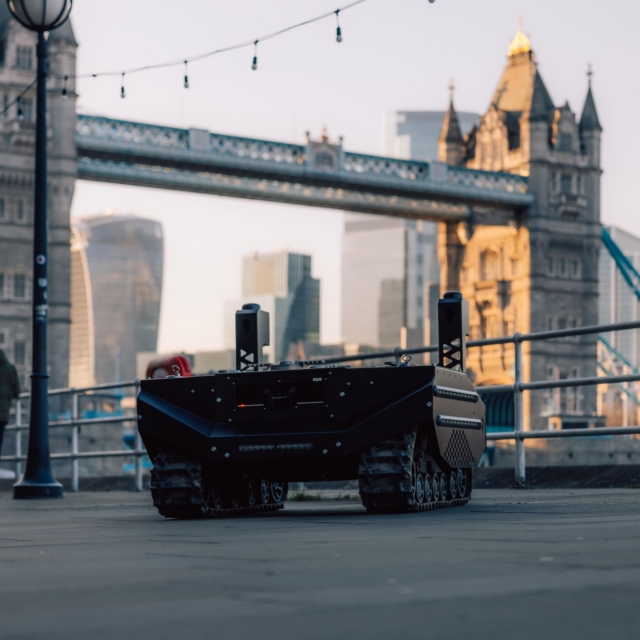
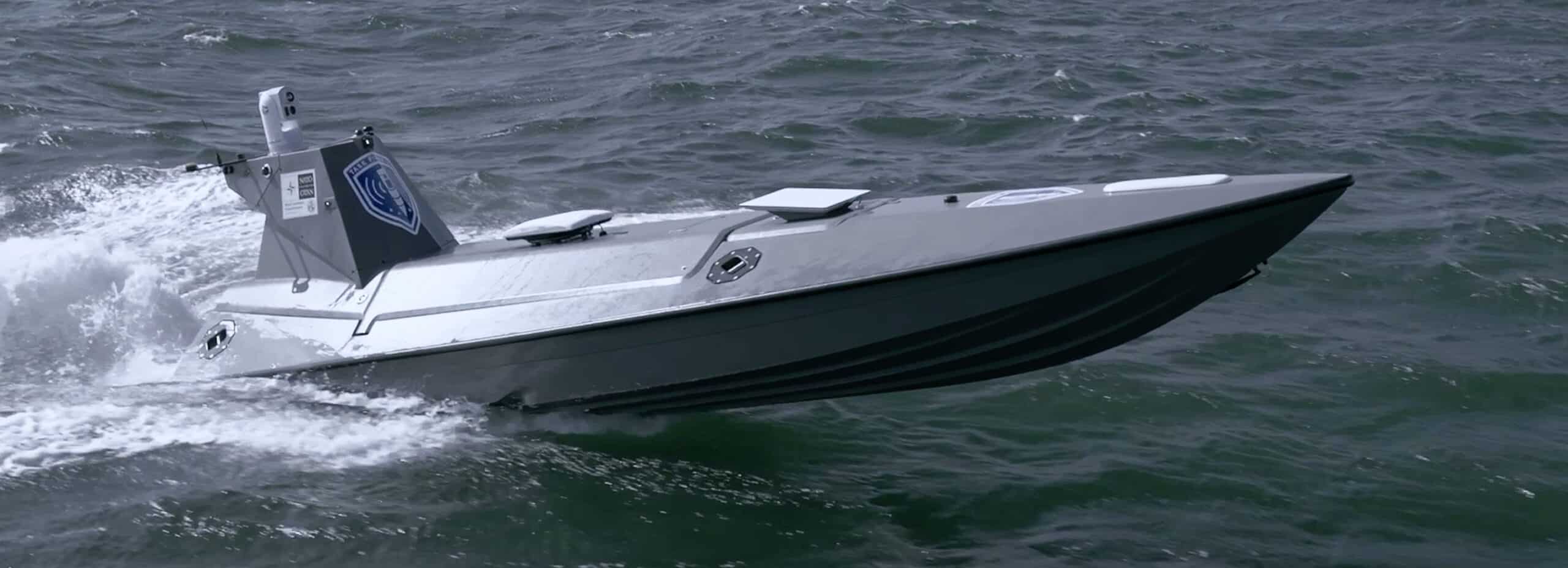
Kraken Technology Group’s British-built K3 Scout uncrewed surface vessel (USV) is being used to prototype a Saab Giraffe 1X air-surveillance radar, creating an experimental capability to detect and track airborne threats such as drones.
The radar is carried in the K3’s modular payload bay. The development follows Kraken’s announcement that it is partnering with Shield AI to integrate its autonomous Hivemind mission software.
Saab UK and Kraken term the modified K3 Scout USV a “drone seeker,” saying that it is designed to help protect shipping and critical infrastructure from emerging aerial threats. The USV creates a rapidly deployable counter-UAS seeker system for maritime operations.
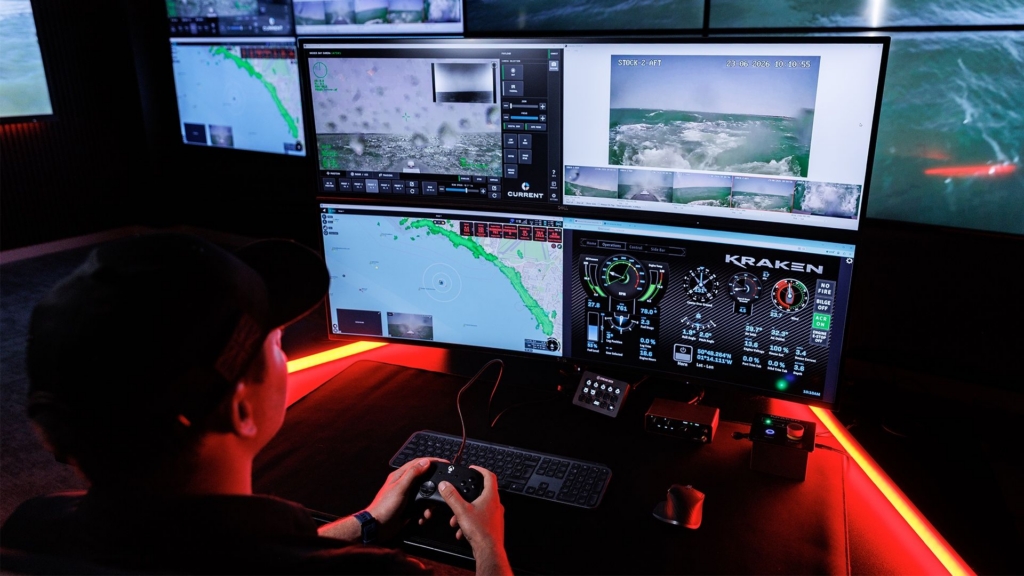
The Giraffe 1X radar allows the USV to provide early warning of potential drone incursions, “detecting even small airborne targets at significant range.”
While the system remains in the experimental stage, Saab and Kraken say it has “significant potential” to strengthen protection of ports, shipping, offshore energy assets, and national infrastructure against drone threats.
Building the Royal Navy’s hybrid navy
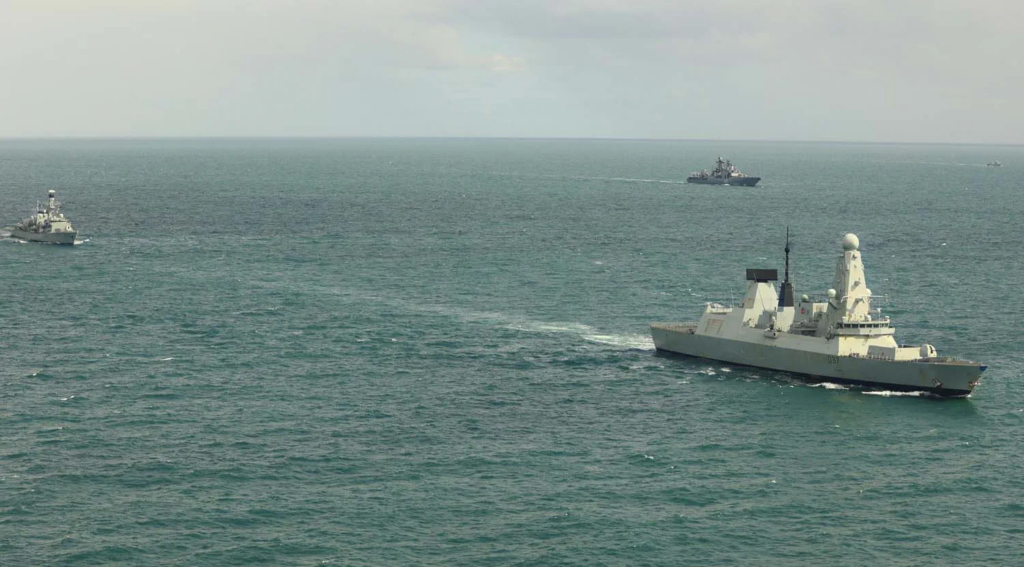
The Royal Navy is currently transitioning to become a hybrid navy. Saab says that the prototype K3 Scout is designed to be deployed independently or alongside conventional surface vessels.
Saab says the concept supports the Royal Navy’s emerging “hybrid navy” vision, outlined in the UK Government’s Defence Investment Plan, in which autonomous systems operate alongside conventional platforms.
Mal Crease, CEO and Founder of the Kraken Technology Group, said: “Kraken and Saab UK’s prototype ‘drone seeker’ vessel is exactly what the K3 SCOUT was designed to do: integrate with mission-relevant payloads to then operate in austere maritime environments.”
With the K3 Scout already in service with the Royal Navy, this potentially offers a new role. For now, the “drone seeker” appears passive and needs to pass the data to other platforms to neutralize the threats.
The Royal Navy already has a fleet of 20 low-signature K3 Scouts on order under Project Beehive, although the programme recently attracted attention after cameras fitted to some vessels were found sending routine “heartbeat” communications to an IP address in China. The Ministry of Defence said it found no evidence that defence data or systems had been compromised
Rapid development and iteration
One of the most important aspects of next-generation systems is that they need to be developed and updated rapidly. Saab says it took less than seven months to take the concept from the drawing board to a working prototype. This includes a period for a series of sea trials.
Saab UK has not provided details of those trials or other information such as detection ranges or potential customers. Saab has seperately quoted an instrumented range of 100 kilometres for the naval version of the Giraffe 1X radar.
Understanding the airspace starts with the right information. Giraffe 1X continuously detects and tracks multiple targets, including small UAVs. Integrated with SHORAD C2, it helps shorten the time from detection to decision. Learn more: https://t.co/e7QA54wzN3 https://t.co/5yxTJ0zIk0
— Saab (@Saab) September 7, 2026
A standard Giraffe 1X radar refreshes its picture every second and is designed to pick out small drone-like slow targets. But one limitation of the system is the height of the K3 with the antenna less than two metres above the water surface.
According to the Navy Outlook, this would give a radar horizon of up to 28 kilometres assuming a drone flying at 30 metres.
The Royal Navy has prepared its K3 Scouts for possible deployment to the Strait of Hormuz.
Sign up for our newsletter and get our latest content in your inbox.
Similar Reads


Sign up for our newsletter. Select all sectors relevant to you.
Related