More passengers, fewer flights: How more seats shaped UK aviation’s summer 2026

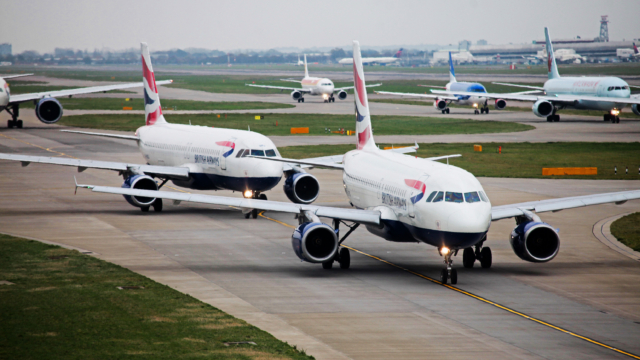
UK airports handled more passengers between July and September 2026 than in the same three months of 2019, even though they recorded around 510 fewer commercial aircraft movements each day.
Figures from the UK Civil Aviation Authority’s Aviation Trends report, published on 23 November, show 91.3 million terminal passengers passed through UK airports in the third quarter, compared with around 90 million in the summer of 2019. But, in the same period, commercial aircraft movements fell from roughly 642,000 to 595,000, a drop of just over 7%.
One reason for this is how many seats airlines can sell each time an aircraft leaves the ground. In 2019, the average flight at a UK airport offered 171 seats. By 2025, that had risen to 186, a figure that held through the first nine months of 2026. That gives airlines nearly 9% more seats per flight than they had in 2019.
How UK summer traffic compares with 2019
| At UK reporting airports | 2019 | 2025 | 2026 |
|---|---|---|---|
| Terminal passengers, July–September | Around 90 million | 90.2 million | 91.3 million |
| Commercial aircraft movements, July–September | 642,000 | 589,000 | 595,000 |
| Average seats offered per flight | 171 (full year) | 186 (full year) | 186 (January–September) |
Source: CAA Aviation Trends, Q3 2026. Passengers per movement is calculated from rounded quarterly totals. Each commercial takeoff or landing counts as one movement.
How the A321neo and 737 MAX 8-200 put more seats on each flight
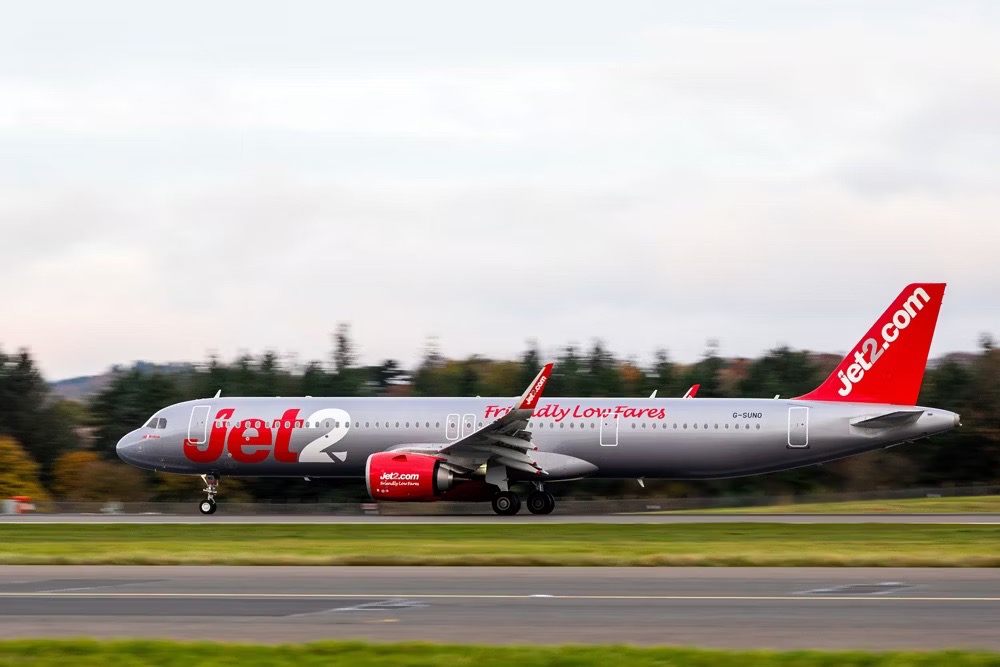
When Jet2 schedules an Airbus A321neo on a departure normally flown by one of its Boeing 737-800s, it gains 43 seats in the same airport slot. Its A321neo seats 232 passengers, compared with 189 on the Boeing, giving the airline nearly 23% more tickets to sell on that departure.
In its November results, Jet2 said larger aircraft account for most of the 3% increase in seat capacity it has put on sale at its established bases for summer 2027.
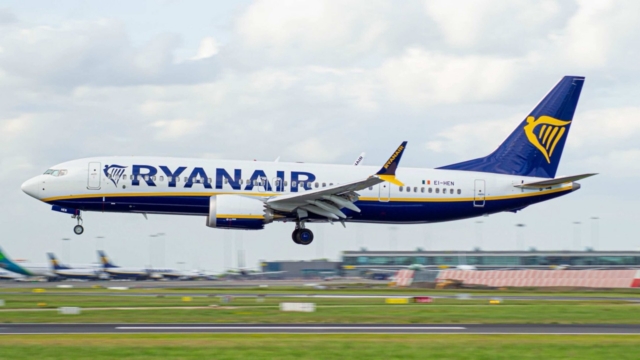
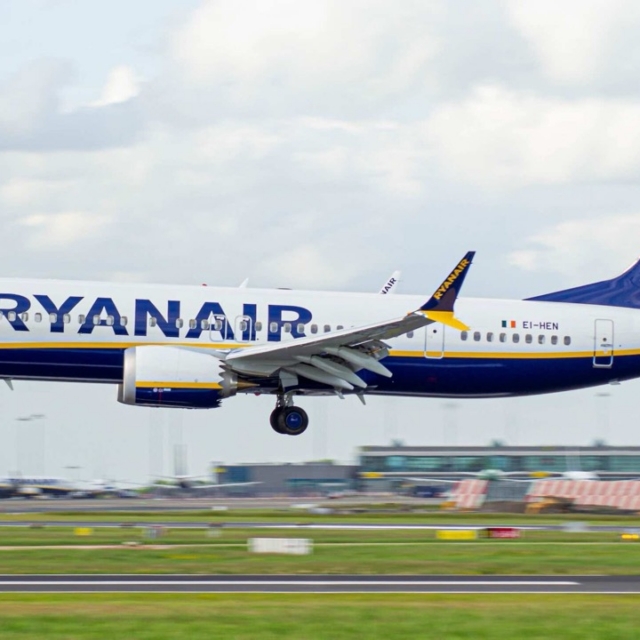
At Ryanair, the difference is eight seats at a time. Its Boeing 737 MAX 8-200, the high-capacity version it calls the Gamechanger, carries 197 passengers in a single-class cabin, up from 189 on its older 737-800s. For every 100 departures flown by the newer aircraft, that gives Ryanair another 800 seats to sell.
Airlines can also gain seats on aircraft they already own. On some of its 180-seat Airbus A320s, easyJet is rearranging the galley and toilets at the back of the aircraft. The more compact layout frees up room for another row of six seats, taking capacity to 186.
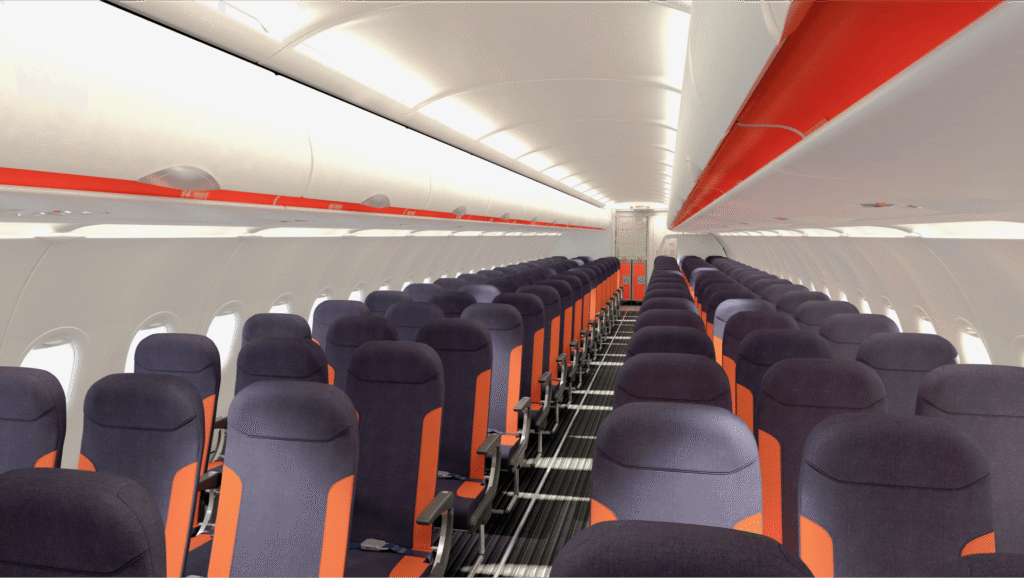
This trend for ‘densification’ of airline cabins comes against a backdrop of a tough cost of living in the UK, which has seen more passengers turning to low-cost airlines that typically have the densest cabins and an all-economy layout.
This is clearly reflected in the CAA data. The average flight at a UK airport offered 163 seats in 2016, 171 in 2019 and 186 in the first nine months of 2026. As more airlines induct ultra-dense narrowbody aircraft in a bid to keep fares low, those numbers are likely to stay the same or even increase in future years.
Are airlines filling more of those seats?
Airlines filled 86% of available seats between July and September 2026, half a percentage point below the same quarter last year. Passenger numbers still rose as airlines offered more seats across the summer schedule.
By 2025, the average flight at a UK airport offered 15 more seats than in 2019, an increase of nearly 9%. That extra capacity helps explain how airports could handle more passengers this summer despite recording around 47,000 fewer takeoffs and landings than in summer 2019.
Carrying more passengers on each flight can cut fuel use per passenger, although the carbon saving depends on the aircraft and how far it flies. The CAA found that UK domestic flights fell 22% between 2019 and 2024, while their greenhouse gas emissions fell 14%. The regulator attributed much of that gap to airlines using larger aircraft on domestic routes.
But for the UK, it means more passengers can travel from constrained UK airports without expansion of the facilities.
Sign up for our newsletter and get our latest content in your inbox.
Similar Reads

Sign up for our newsletter. Select all sectors relevant to you.
Related