

RAF disperses strategic airlift fleet as £180m Brize Norton overhaul reshapes UK air mobility ops


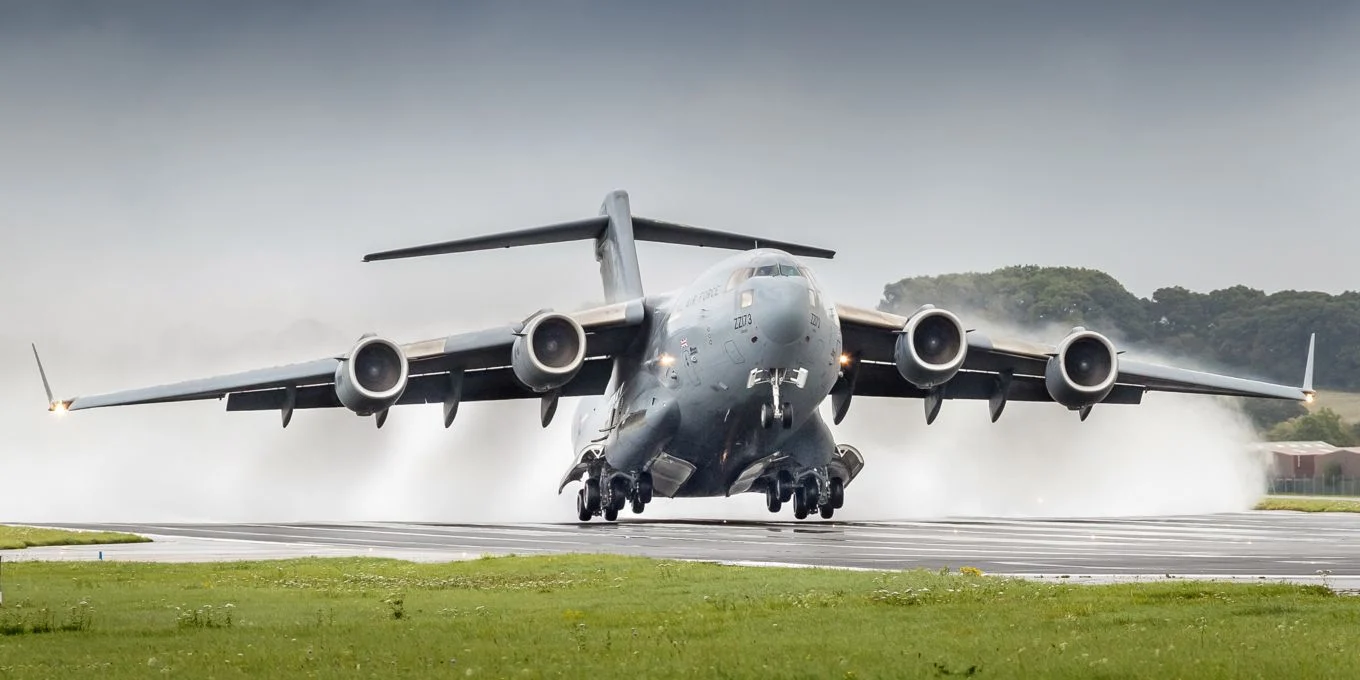
The Royal Air Force’s (RAF) transport fleet will test the service’s ability to sustain global operations from multiple UK bases.
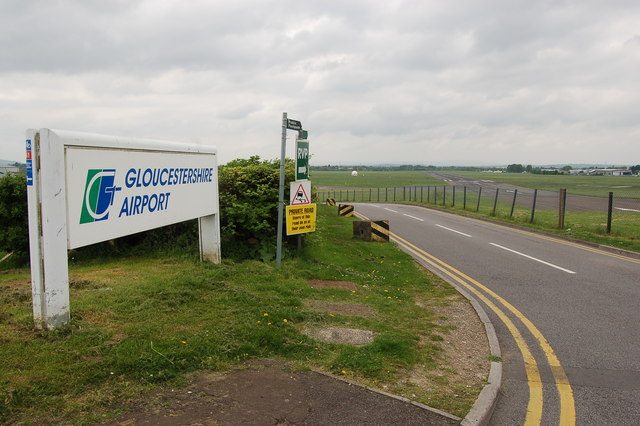
Under the temporary operating plan, the A400M Atlas and C-17 Globemaster III fleets will primarily operate from MoD Boscombe Down, with occasional use of Bournemouth Airport. The A330 Voyager fleet will relocate to Prestwick, East Midlands and Stansted airports.
Aircraft began moving during July and will remain at their temporary operating locations until the runway programme is completed.
The redistribution is intended to ensure that air mobility missions continue without interruption despite the temporary closure of Britain’s busiest military runway.
According to the RAF, logistics operations, humanitarian missions and support to allies will continue at full operational tempo throughout the construction period, while additional security and force protection measures have been put in place at the dispersed operating locations.
A change in military thinking for airlift assets
Rather than concentrating strategic airlift assets at a single location, the RAF has increasingly invested in the ability to generate operations from multiple sites.
The concept has already been exercised through Exercise Agile Warrior, which tested how the Air Mobility Force could sustain operations while aircraft, crews and support organisations operated from dispersed bases.
The Brize Norton programme now applies those lessons during day-to-day operations over several months rather than during a short-duration exercise.
For military planners, the concept offers benefits beyond infrastructure maintenance.
Dispersed basing reduces dependence on a single operating location, increases operational flexibility and improves the force’s ability to continue generating sorties should one airfield become unavailable because of maintenance, natural disaster or military activity.
Runway replacement forms part of a wider investment programme to modernise Britain’s military infrastructure
The Brize Norton project extends well beyond resurfacing the runway.
The programme includes complete replacement of the airfield’s 3 km runway, refurbishment of taxiways, upgrades to airfield lighting, improvements to drainage systems and wider supporting infrastructure designed to strengthen the long-term safety and operational resilience of the station.
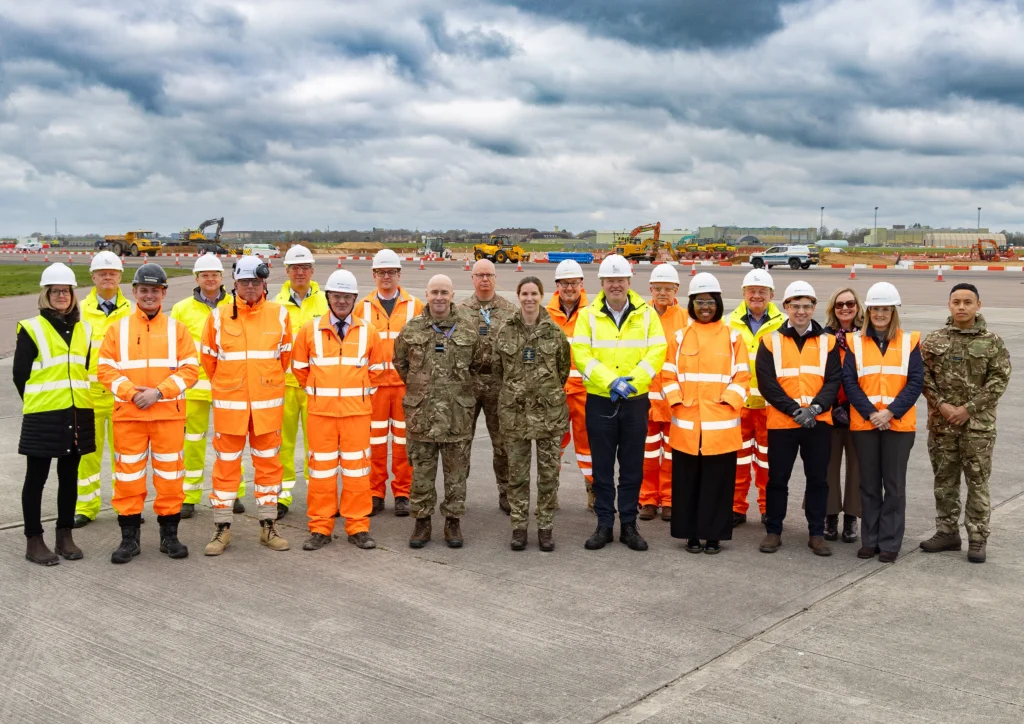
Around 350,000 tonnes of material will be used during construction, making it one of the largest infrastructure projects currently underway on the UK defence estate.
The work is being delivered by the Defence Infrastructure Organisation (DIO) under the RAF’s Aircraft Operating Surface Programmatic Approach, with VolkerFitzpatrick serving as principal contractor and AECOM providing technical services.
A wider programme of defence modernisation
The runway upgrade is identified within the UK’s recently published Defence Investment Plan as part of Project Trenchard, a £10 billion, 10-year programme intended to modernise Royal Air Force bases and reverse years of underinvestment in military infrastructure.
The Brize Norton project therefore represents one of the first major infrastructure schemes moving from planning into delivery under the government’s wider defence investment strategy.
Beyond its military significance, the programme is also expected to generate economic benefits locally.
The project is forecast to create around 20 full-time local jobs, including five apprenticeships, while providing work experience opportunities and prioritising suppliers within a 50-mile radius of the airbase wherever possible.
Keeping Britain’s global air mobility network operating while rebuilding its busiest military air base
For the personnel based at RAF Brize Norton, the programme also represents a significant organisational effort.
Aircrews, engineers, logistics specialists and support staff will spend several months operating from different locations around the country while maintaining the same range of missions normally flown from Oxfordshire.
Local communities near the temporary operating bases are expected to experience increased military aircraft activity during the relocation period, although the Ministry of Defence has stressed that the movements are planned and that the UK’s air mobility capability remains fully available throughout the works.
The project illustrates how infrastructure investment and operational readiness are becoming increasingly linked.
Modernising one of the RAF’s most important air bases could have been achieved by reducing flying activity until construction finished.
Instead, the service has chosen to use the programme to strengthen a concept it believes will be increasingly important in future operations—maintaining strategic air mobility from a network of dispersed locations rather than relying on a single hub.
When aircraft return to Brize Norton later this year, the RAF will have gained more than a refurbished runway.
It will also have accumulated several months of practical experience operating Britain’s strategic airlift fleet from multiple locations while continuing to deliver global transport, humanitarian and defence missions without interruption.
Sign up for our newsletter and get our latest content in your inbox.
Similar Reads


Sign up for our newsletter. Select all sectors relevant to you.
Related