

RAF SAF spending should build fuel resilience, not just meet mandates


The RAF’s future sustainable aviation fuel bill should be judged not only on whether it helps meet environmental targets, but also whether it strengthens the UK’s energy security and defence resilience.
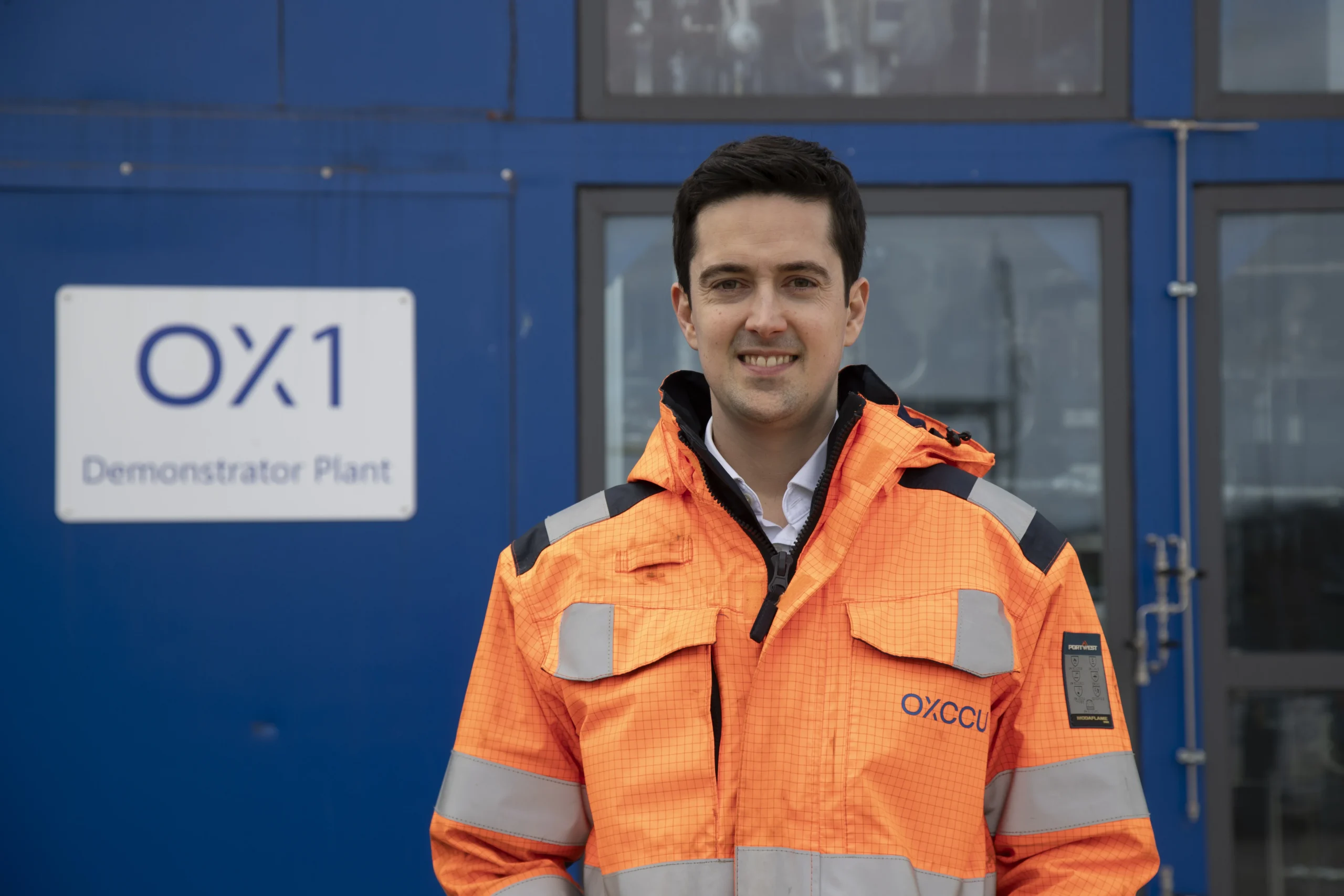
That is the argument made by Andrew Symes, Co-Founder and CEO of OXCCU, who says the debate around sustainable aviation fuel is too often framed purely around Net Zero.
“Arguments about sustainable aviation fuel almost always end up as arguments about Net Zero,” Symes says. “That is understandable, but in the case of the RAF, we are missing the more important point.”
Recent Parliamentary figures estimated the RAF’s sustainable aviation fuel and Power-to-Liquid fuel costs at £16.5m in 2025, rising to £187.6m in 2040, based on annual fuel consumption of 250 million litres.
Those figures may change as the market develops, but they highlight a broader question for defence: what strategic value should come back from that spending?
The Ministry of Defence’s Defence Aviation Net Zero Strategy already includes sustainable aviation fuel as one of its five strategic pillars. SAF is also one of the few near-term decarbonisation options that can work with existing aircraft, engines and fuel infrastructure.
For Symes, the issue is therefore not whether the RAF should use SAF, but what kind of SAF system the UK wants to build around that demand.
“If the RAF is going to spend hundreds of millions of pounds on sustainable fuel over the next 15 years, then it should buy more than compliance with a mandate,” he says. “It should buy resilience.”
Why RAF SAF spending is a defence resilience issue
For commercial aviation, the SAF debate is largely shaped by cost, scale and availability. Airlines use large volumes of fuel, operate in competitive markets and rely on global supply chains. Price will remain a central issue.
Defence has different priorities. A military airbase does not need secure fuel supply to reduce ticket prices. It needs secure fuel because, in a crisis, supply disruption can rapidly become an operational problem.
As Symes puts it: “Fuel is easy to ignore when it arrives on time. It becomes a strategic issue very quickly when it does not.”
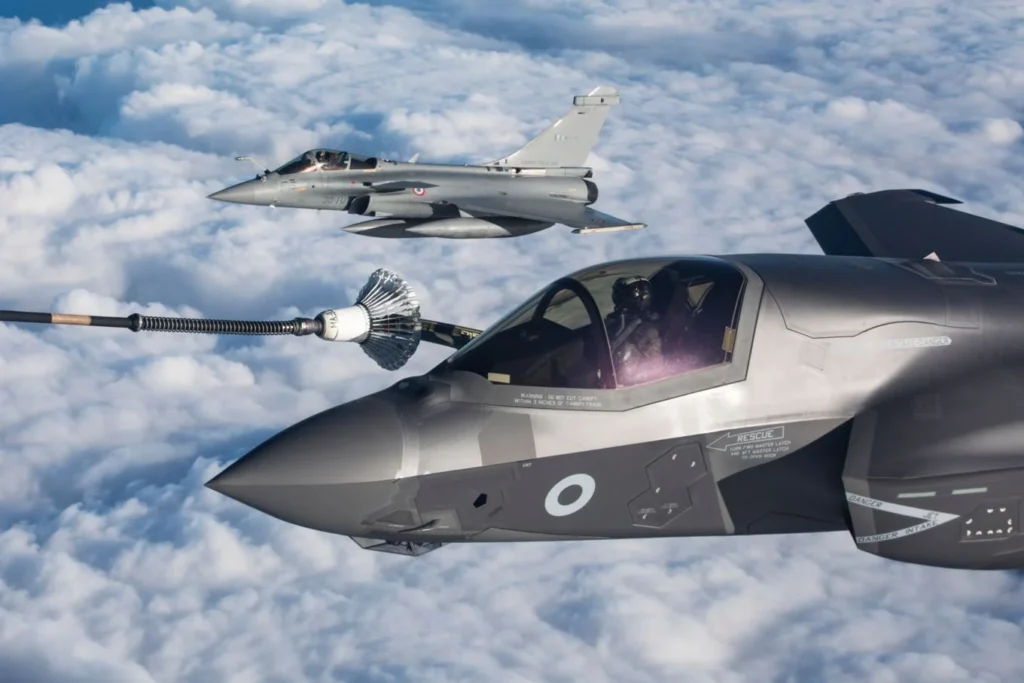
The same principle applies beyond defence to air ambulances, emergency services, disaster response and critical national infrastructure. These are not necessarily the largest fuel users, but they are among the least able to tolerate disruption.
The RAF’s SAF spending could become part of a wider defence energy security strategy. If the UK simply replaces imported fossil jet fuel with imported sustainable fuel, or with SAF made from imported feedstocks, it may reduce emissions without significantly reducing supply risk.
HEFA fuels, made from waste oils and fats, are expected to play an important role in the early SAF market. However, those feedstocks are limited, already in demand and often linked to international supply chains. They can support aviation decarbonisation, but they are unlikely to provide a complete answer to sovereign fuel resilience.
Building UK SAF capability around critical users
For defence, the test is tougher than the commercial aviation test. It is not only whether SAF is lower carbon, but whether the UK can produce enough of the right fuel, from inputs it can control, close enough to where that fuel is needed.
That does not mean attempting to make every litre of aviation fuel domestically. Large refineries, international partnerships and global fuel markets will remain part of the system. The opportunity is to add a layer of sovereign resilience for the users and locations where fuel supply cannot fail.
Smaller modular production facilities, using UK feedstocks and located on or near airbases and critical infrastructure sites, could provide that additional layer. They would not replace the wider fuel system, but they could give operators more options when supply chains are under pressure.
“This is where British technology should matter,” Symes says. “If the RAF is creating demand for sustainable fuel, then some of that demand should help build British plants and British IP.”
OXCCU is one of the companies working in this area. The Oxford University spinout is developing technology to convert waste carbon, including biogas or CO2 combined with green hydrogen, into jet fuel-range hydrocarbons. Its OX1 plant at Oxford Airport has been operating since 2024, with an OX2 plant planned for early 2027.
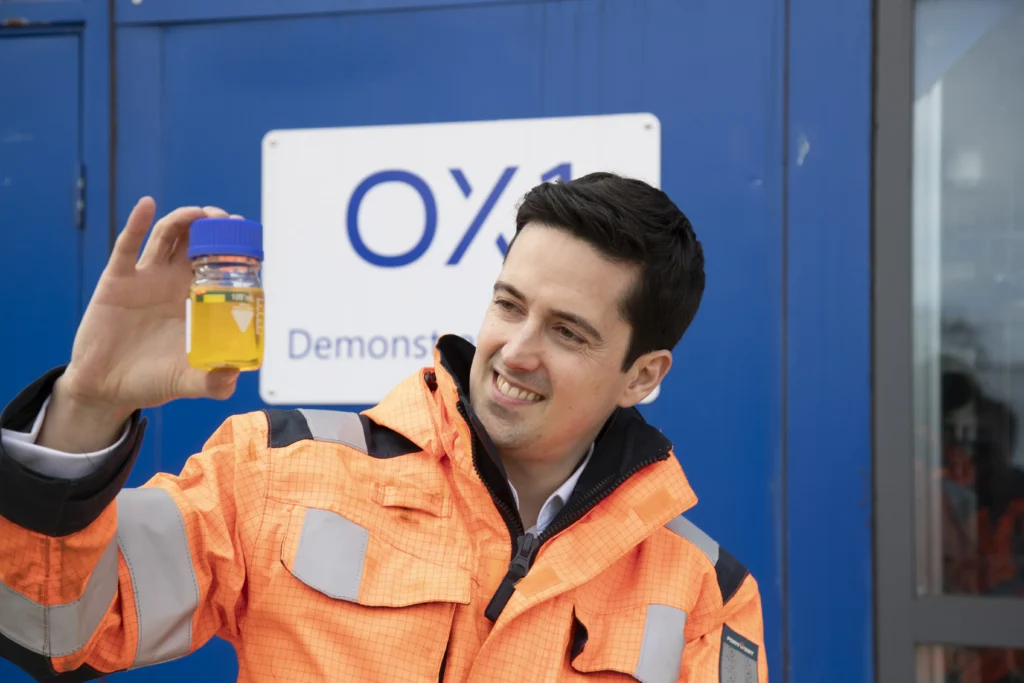
The point reaches beyond OXCCU. The question is whether the UK uses the SAF transition simply to buy compliant fuel, or whether it uses the emerging market to build domestic production capability, intellectual property and resilience.
A SAF mandate can create demand, but demand alone is not a defence fuel strategy. If the RAF spends the next 15 years buying sustainable fuel through supply chains it does not control, it may meet the target while retaining many of the same vulnerabilities.
A more strategic approach would use part of that spending to prove UK-based, modular production close to the airbases and critical services that would need secure fuel most in a crisis.
As Symes argues, the test for RAF SAF spending should be “not just whether it is cleaner, but whether it makes the fuel system more secure.”
Sign up for our newsletter and get our latest content in your inbox.
Similar Reads





Sign up for our newsletter. Select all sectors relevant to you.
Related