

Hydrogen SAF could power cleaner flying and 10,000 UK jobs



SAF derived from hydrogen is key to sustainable aviation, while the UK SAF sector could boost the job market, according to a report by Hydrogen UK and the Chemical Industries Association.
The UK remains well-positioned to lead in low-carbon hydrogen production, according to a joint report by Hydrogen UK and the Chemical Industries Association. Titled Hydrogen Derivatives: Building Blocks of the Hydrogen Economy, the report found that clean fuels and chemicals produced with low-carbon hydrogen also provide strong support for the UK economy.
Not only could they unlock up to 10,000 jobs and contribute around £2 billion a year to the economy by 2035, but they also have the potential to support industrial resilience and clean growth across aviation, farming, ports and manufacturing.
“The UK is well positioned to realise the potential of low-carbon hydrogen,” said Steve Elliott, CEO of the Chemical Industries Association. “We have an innovative industrial base ready to access clean fuel and feedstock, but industry needs meaningful signals from government on the role these products will play in the UK’s energy transition.”
The role of hydrogen derivatives
Hydrogen, which can be used in emerging SAF pathways, and its derivatives (including ammonia and methanol) are fundamental to the UK’s industrial economy. Ammonia is used to make fertiliser and other industrial products, while methanol is used as a clean fuel in shipping and as a solvent in manufacturing.
Decarbonising the production of these hydrogen derivatives, which serve as essential feedstocks for fertilisers, chemicals, materials and fuels, offers one of the most direct and impactful pathways to reducing UK industrial emissions while safeguarding critical domestic manufacturing supply chains, capability and capacity.
Commenting on how the UK has rightly recognised hydrogen as a strategic technology, Clare Jackson, CEO of Hydrogen UK, said, “Production alone risks missing out on the full economic opportunity. We also need the fuels and chemicals derived from hydrogen as these support vital industries within the UK economy.”
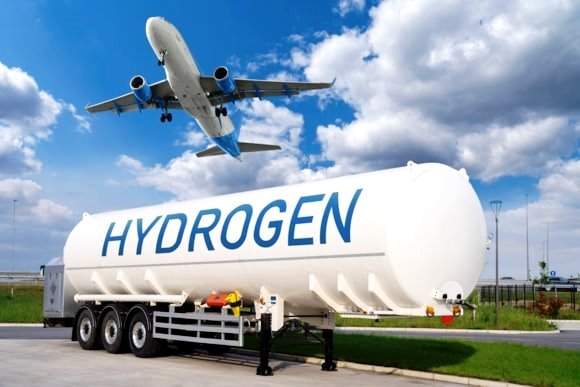
With UK aviation emissions rising by 9% in 2024 to 38 million tonnes of carbon dioxide equivalent, the sector remains one of the hardest to abate.
SAF is widely recognised as one of the clearest routes to cleaner flying. Fuels made using low-carbon hydrogen and captured carbon dioxide are especially promising as they can be used in existing aircraft and airport infrastructure without modification. Initiatives such as Equinor’s SAF project in the Humber demonstrate how this opportunity could be pinned in industrial clusters.
The report also identifies a significant opportunity for UK ports to become hubs for clean shipping fuels, including methanol and ammonia. Methanol can be stored and handled more easily than some alternatives, while ammonia is currently being explored for long-distance shipping.
The Humber and Immingham, which together handle around 40,000 vessel movements a year, are well placed to lead the transition. Meanwhile, Shoreham Port’s TURBO METH project is already testing how methanol could be stored, handled and supplied in a working port environment.
Policy barriers and unlocking investment
“The opportunity is there to unlock private investment in clean fuels and circular chemicals, strengthening resilience, material security and economic growth,” stated Elliott.
He also warned, however, that policy uncertainty is affecting investment as he called for a more joined-up approach to ensure stronger support, faster infrastructure planning and better access to feedstocks for clean fuels.
“If we get this wrong, intensive industries such as chemicals will continue to face business closures,” he said, rather than the ability to compete internationally.
Adding that safeguarding existing industrial capacity and jobs is the platform for future growth, Jackson reiterated that without clearer policy support, “we risk creating demand for clean fuels and chemicals while the investment, jobs and manufacturing capability are built overseas.”
Sign up for our newsletter and get our latest content in your inbox.
Similar Reads





Sign up for our newsletter. Select all sectors relevant to you.
Related