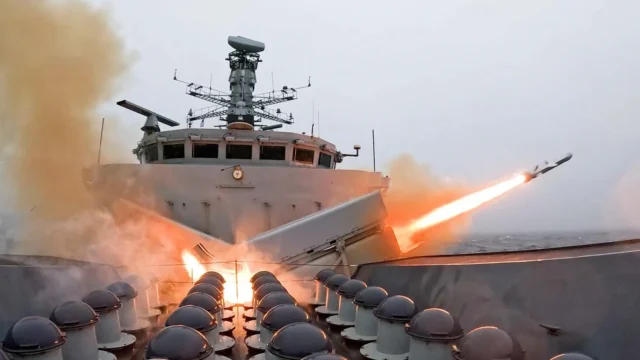
Reality check: Can the Royal Navy really stop small boats in the English Channel?


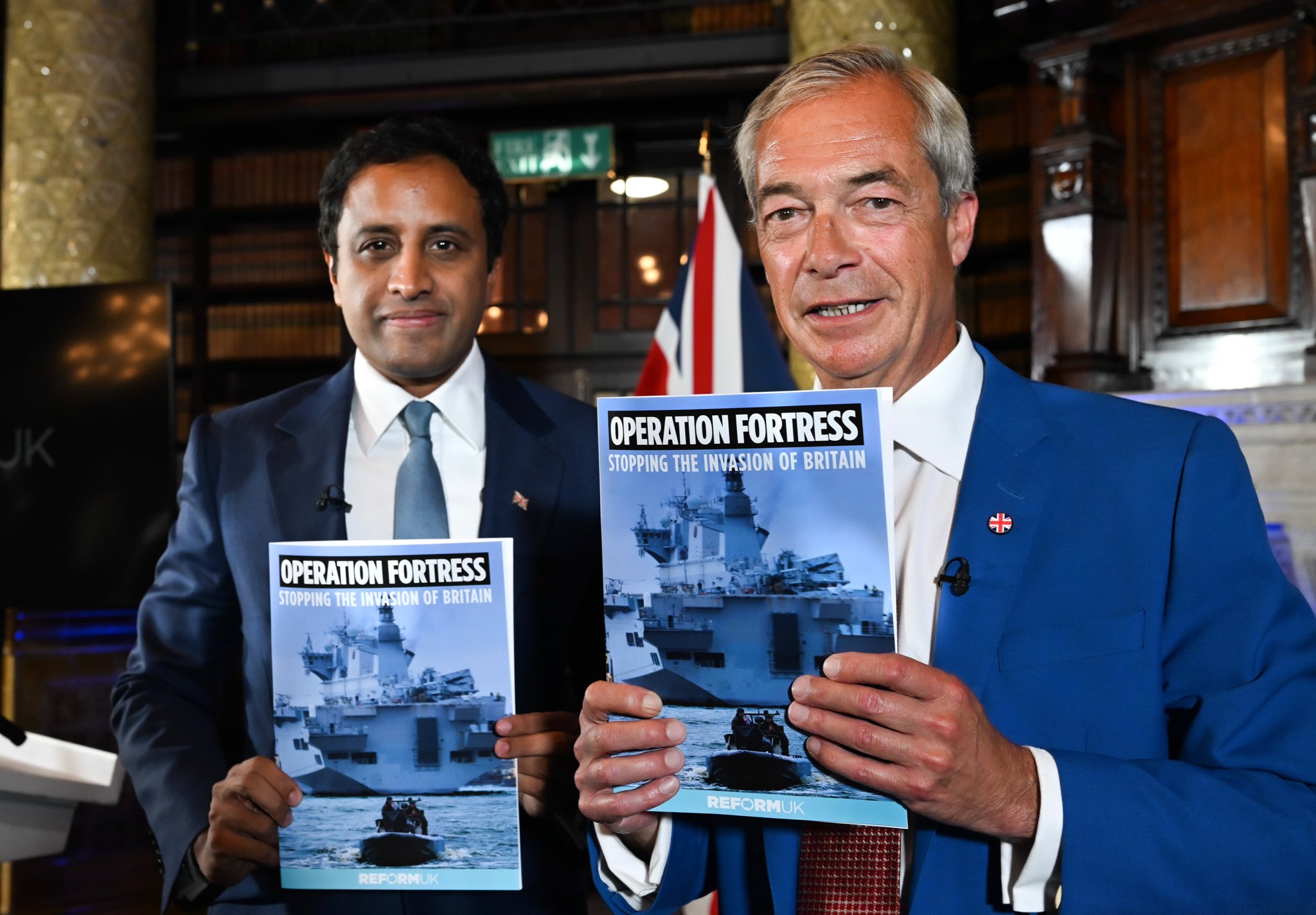
Reform UK says it could stop small boat crossings “within two weeks” by putting the Royal Navy in charge of a military operation in the English Channel.
But former Royal Navy officers and migration experts say the proposal is far less straightforward than the party suggests, questioning everything from the ships involved to whether France would even allow returned migrants to land.
What is the Royal Navy for?
Reform’s Operation Fortress would involve deploying Royal Navy ships to monitor the Channel for small boats carrying immigrants, collect those immigrants from the sea and return them to the coast of France.
Nigel Farage argues this is an ideal use of UK naval power.
“What is the Royal Navy for?” Farage asked in Reform’s announcement. “If the Royal Navy is not there to protect this country from invasion, then, frankly, I cannot see what its purpose is.”
An inefficient use of UK assets
Experts note that the Royal Navy is better equipped to fend off armed invasion from an equally well-equipped foe than to ward off improvised boats overloaded with unarmed, untrained migrants.
Former Royal Navy Commander Tom Sharpe told news outlets that the Royal Navy would not have enough ships to monitor and manage potential migrant crossings. He argued that deploying billion-pound Royal Navy warships to send people back to France, even if France agreed, would be an inefficient use of the UK’s military assets.
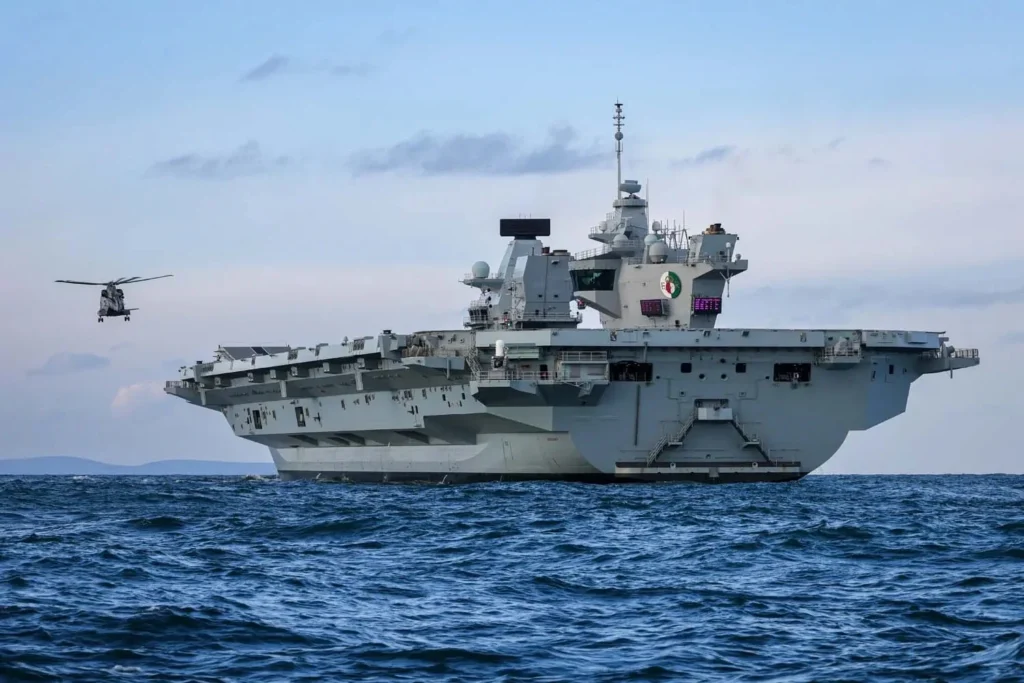
“A billion-pound warship that’s configured for anti-air warfare or anti-submarine warfare, which are both threats to the UK, is not best used ferrying people around,” Sharpe told BBC Radio 4. “You’re better off using an actual ferry.”
‘Wafer thin’
Speaking to Sky News, Sharpe dismissed Reform’s plan as “wafer thin”, arguing that Reform has not explained what happens after migrants are intercepted.
Reform’s Operation Fortress proposes intercepting small boats and returning those onboard to France or Belgium. But there is currently no agreement requiring either country to accept them. Sharpe questioned whether France would permit Royal Marines to land migrants on French beaches without prior agreement.
“What happens when France says no?” Sharpe asked.
Without French cooperation, he suggested that the policy would quickly run into practical and diplomatic problems.
The legal hurdle
Migration specialists agree that the biggest obstacle is not finding the boats—it’s where the boats and the people aboard them would go afterwards.
InfoMigrants notes that while international maritime law requires vessels to rescue people in distress, it does not automatically give the UK the right to return rescued migrants to France without French consent.
The fact-check concludes that Britain cannot simply disembark people on another country’s territory, making French cooperation central to any such operation.
Hasn’t the Royal Navy done this before?
The Royal Navy previously led the UK’s response to Channel crossings under Operation Isotrope in 2022.
While the military improved surveillance and coordination, it did not stop crossings, and responsibility later returned to the Home Office. Critics argue that experience shows that while the Navy can support border operations, it cannot resolve the political and legal issues surrounding asylum and returns.
Sign up for our newsletter and get our latest content in your inbox.
Similar Reads



Sign up for our newsletter. Select all sectors relevant to you.
Related