Remaining easyJet A320ceo aircraft to be retrofitted with sharklets
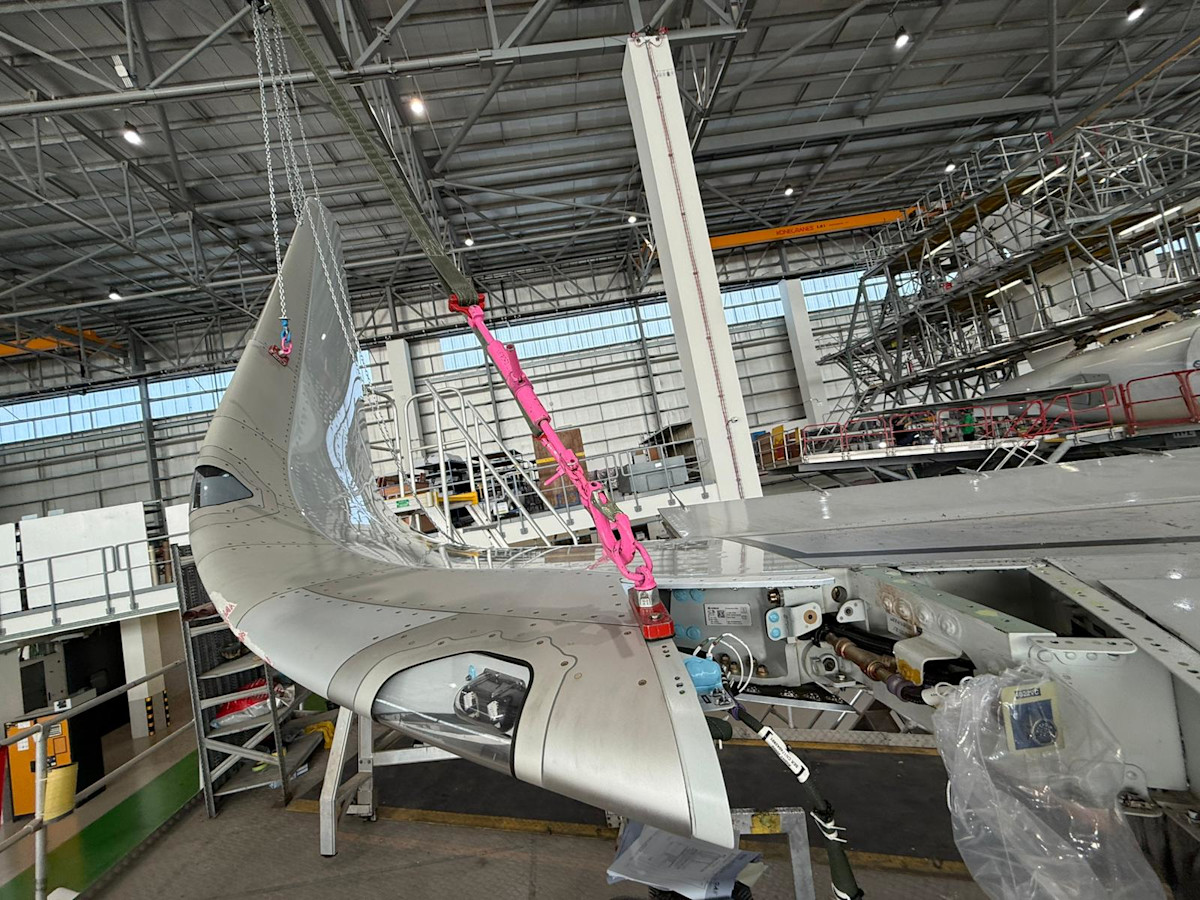
Image courtesy easyJet
The upgrade programme, in partnership with Airbus, is already underway and is due for competition by summer 2026.
Sharklets are blended winglet devices that reduce fuel consumption by increasing the effective wingspan and minimising lift-induced drag by up to 4%. Once completed, the upgrade to these remaining aircraft will offer an additional combined fuel saving of 2,156 tonnes across easyJet’s fleet, an equivalent reduction of almost 7,000 tonnes of Co2 per annum.

The more fuel-efficient devices will replace the aircraft’s original wing tip fences and will increase mission range by up to 100 nautical miles. Following the installation of sharklets, the aircraft can also accommodate an additional six seats, further enhancing aircraft efficiency.
The upgraded aircraft are currently operating from key bases across easyJet’s network, including at London Gatwick, Lisbon, Berlin and Milan Malpensa bases.
Speaking on the announcement, David Morgan, Chief Operating Officer at easyJet, said: “Retrofitting our A320ceo aircraft with sharklets is another small but important step in our mission to operate as efficiently as possible. These upgrades deliver immediate reductions in fuel burn and carbon emissions and form part of many innovative solutions we’re employing to improve our efficiency and lower our impact.”
Since launching its roadmap in 2022 and announcing its ambition to reduce and decarbonise its environmental impact, easyJet has continued to invest in operational efficiencies and technologies that lower its impact both in the air and on the ground.
While there is much still to do, easyJet remains on track to meet its ambitious target of a 35% reduction in carbon emissions intensity by 2035 and, showing progress is gradually being made, was recently recognised as the top-rated airline globally by Sustainalytics for managing environmental, social, and governance (ESG) risks, receiving an industry-leading score of 18.0.