

Royal Navy faces escort shortfall as ageing Type 23 frigates leave service


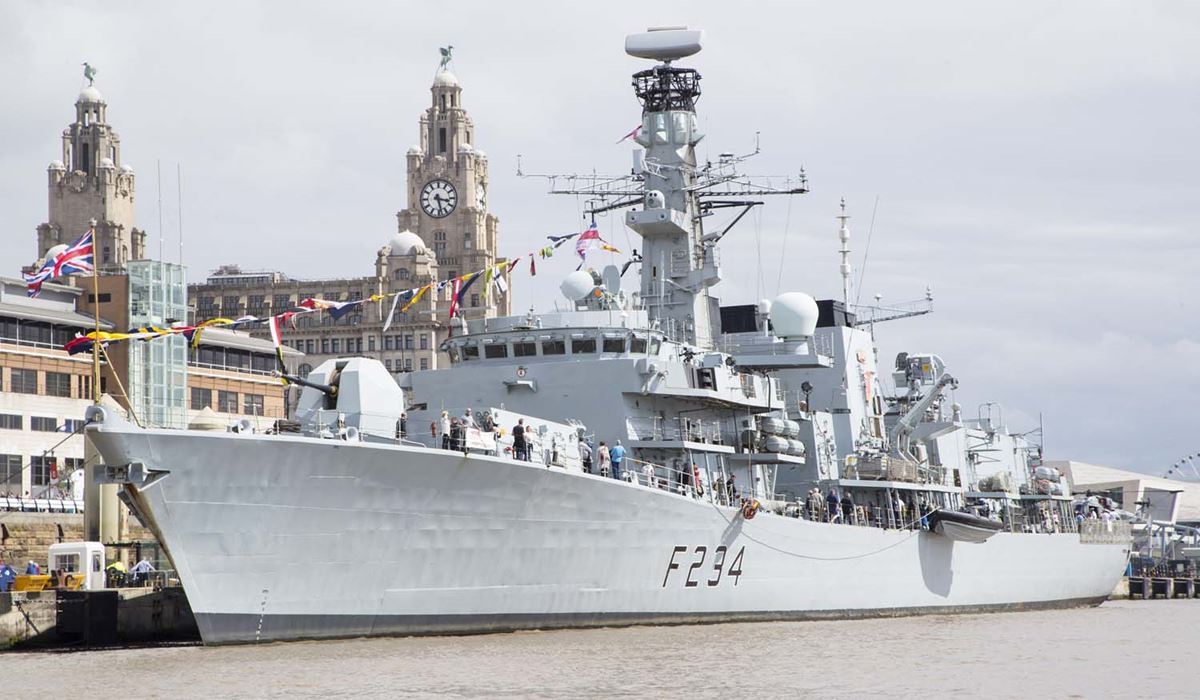
The Royal Navy’s latest round of fleet retirements, including two Type 23 frigates and a Hunt-class minehunter, has highlighted the growing gap between the withdrawal of ageing surface combatants and the arrival of their replacements.
HMS Richmond, HMS Iron Duke and HMS Chiddingfold will leave service as part of the Royal Navy’s fleet modernisation programme.
The service says rising maintenance costs and increasing technical risk make further investment in the ageing vessels uneconomical, with resources instead being directed towards the Type 26 and Type 31 frigate programmes and autonomous mine warfare capabilities.
The retirements come as the Royal Navy is already operating with a reduced escort fleet. Defence publication Navy Lookout recently reported that the number of operational frigates has fallen to five, illustrating the widening gap between the retirement of the Type 23 fleet and the arrival of its successors.
Ageing Type 23 frigate fleet reaches the end of its service life
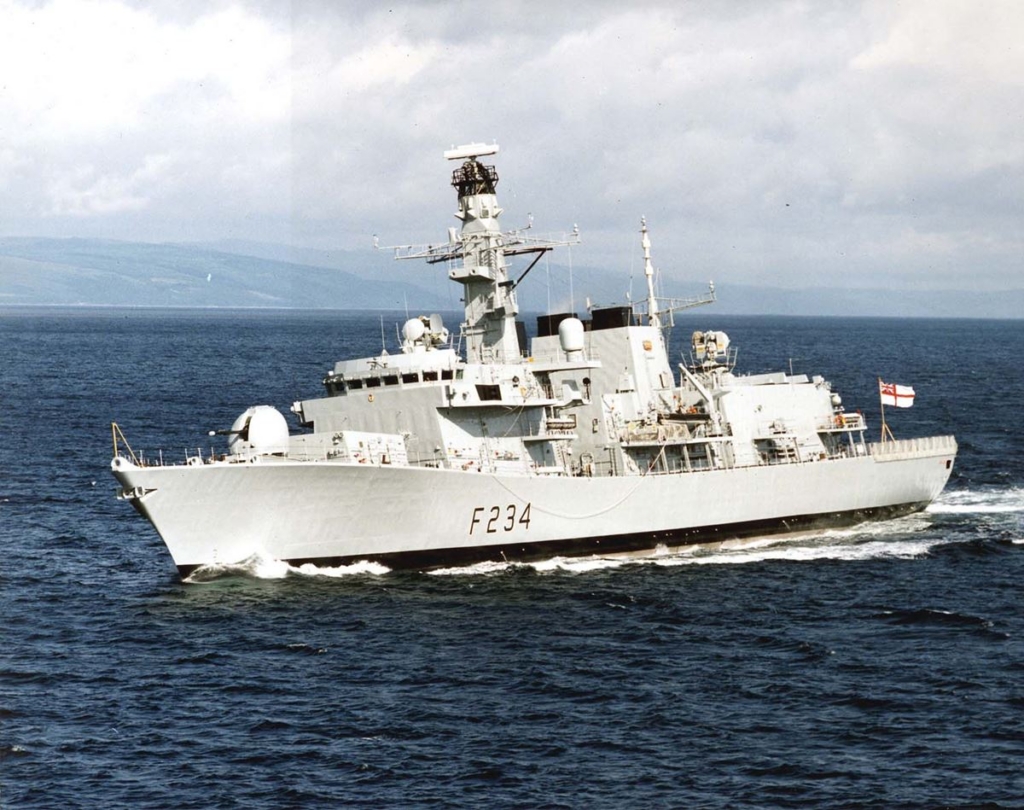
Introduced from the early 1990s, the Type 23 frigates were originally designed as anti-submarine warfare escorts with an expected service life of around 18 years. Through successive upgrade programmes, the class has remained at the centre of Royal Navy operations for more than three decades.
Maintaining the oldest ships, however, has become progressively more expensive and technically challenging.
The Royal Navy said retiring the vessels now allows investment to be concentrated on bringing the new Type 26 and Type 31 frigates into service rather than extending platforms that are becoming increasingly difficult to support. Both frigates remained operational until the end of their service.
“HMS Richmond, HMS Iron Duke and HMS Chiddingfold have each played a key role in safeguarding the UK’s security and interests worldwide,” said Vice Admiral Steve Moorhouse, Fleet Commander.
“As they are retired from service, their legacy continues through the next generation of warships and advanced autonomous systems. This marks a significant step in the Royal Navy’s evolution towards a Hybrid Navy, combining cutting-edge technology with proven capability to meet future maritime challenges.
“We honour their service and look forward to the advantage the future fleet will provide.”
HMS Richmond most recently deployed with the UK Carrier Strike Group during its Indo-Pacific deployment in 2025, while HMS Iron Duke has continued to monitor Russian naval activity approaching areas of UK interest.
HMS Chiddingfold has spent much of the past two decades conducting mine countermeasure operations from Bahrain in support of maritime security in the Gulf.
Replacement frigate programmes promise greater capability but not immediate capacity
The Royal Navy’s future escort fleet will centre on eight Type 26 City-class frigates and five Type 31 Inspiration-class frigates.
The Type 26 has been designed primarily for anti-submarine warfare, while the Type 31 will provide a more flexible general-purpose capability suited to global deployments.
Together, they will replace the Type 23 fleet with ships offering more advanced sensors, combat systems, automation and growth potential. The challenge is one of timing rather than capability.
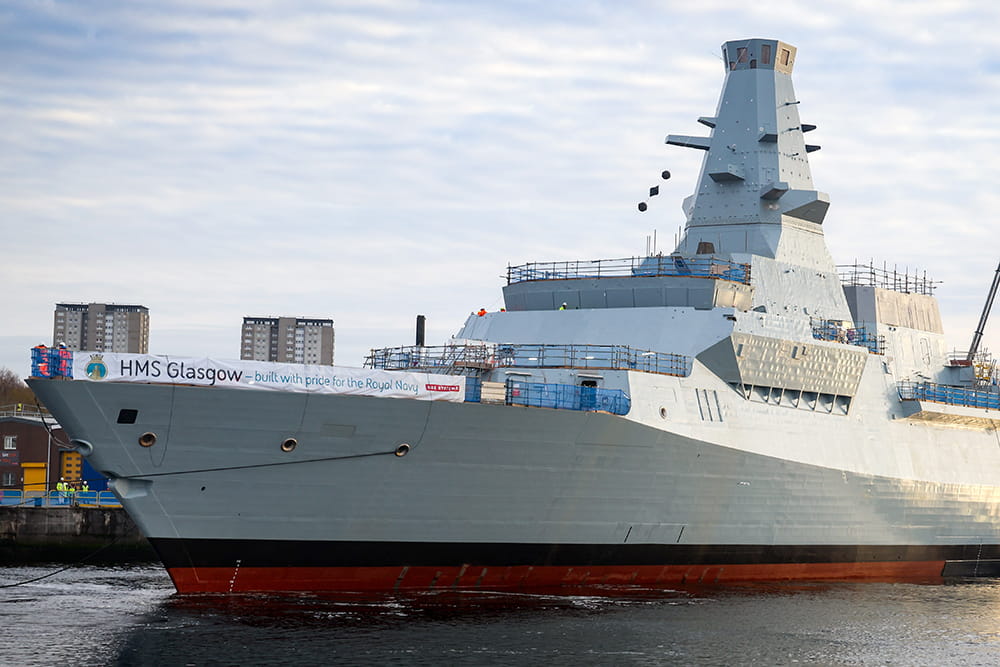
Although construction of both classes is progressing, new warships require extensive harbour and sea trials, acceptance into service, crew training and operational work-up before becoming fully deployable. Capability upgrades are also planned after delivery as new systems are progressively integrated.
As a result, the replacement programme is unfolding gradually while older ships continue to leave service, creating a period in which available escort numbers remain below the Royal Navy’s long-term requirement.
Fewer frigates increase pressure on operational commitments
The shrinking frigate fleet has implications well beyond fleet statistics.
Frigates are routinely tasked with escorting the UK’s Carrier Strike Group, protecting the continuous at-sea nuclear deterrent, conducting anti-submarine warfare in the North Atlantic, supporting NATO maritime task groups, safeguarding critical undersea infrastructure and maintaining forward deployments around the world.
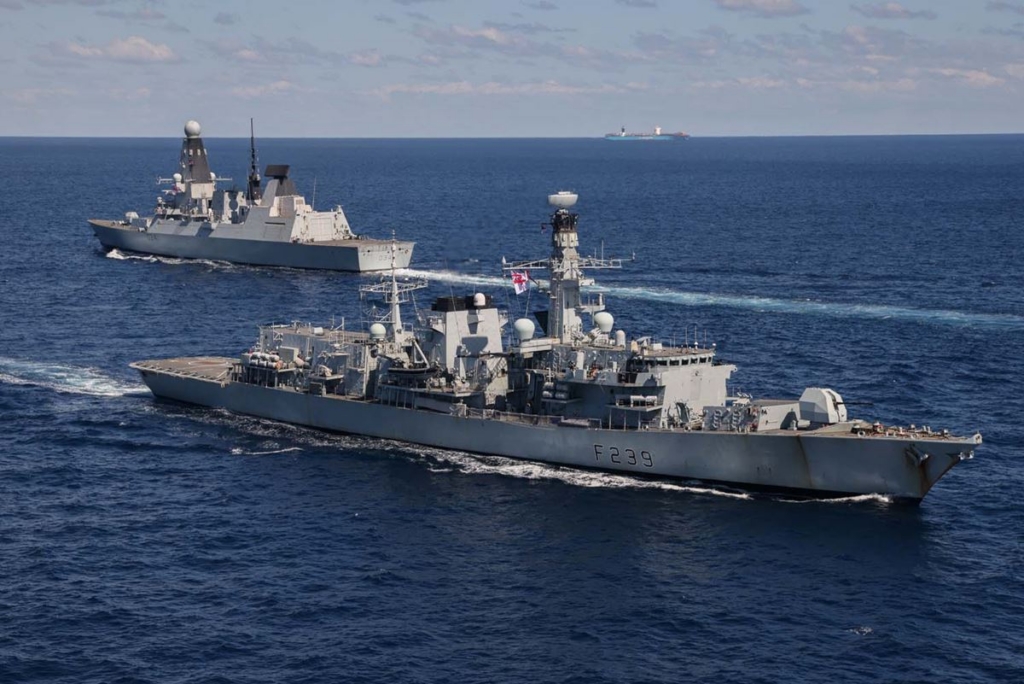
With fewer hulls available, balancing those commitments becomes increasingly difficult as ships rotate through maintenance, training and operational deployments.
Navy Lookout has argued that the Royal Navy’s “frigate gap” is likely to continue until additional Type 26 and Type 31 frigates enter operational service later in the decade. The publication notes that while the future fleet will eventually be more capable, recovering overall escort numbers will take considerably longer than replacing individual ships.
Hybrid Navy will reshape mine warfare
The retirement of HMS Chiddingfold reflects a separate transformation taking place within the Royal Navy’s mine warfare force.
Instead of replacing Hunt-class minehunters on a one-for-one basis, the service is moving towards autonomous and remotely operated mine countermeasure systems capable of locating and neutralising mines while keeping personnel away from danger.
“HMS Chiddingfold’s story is one of service, adaptability, and people,” Commander Craig Clark, who was HMS Chiddingfold’s penultimate Commanding Officer, said, taking charge of the ship through the summer and autumn of 2024.
“For more than 40 years, she represented the Royal Navy across the globe, from NATO exercises and home waters to enduring operations in the Middle East.
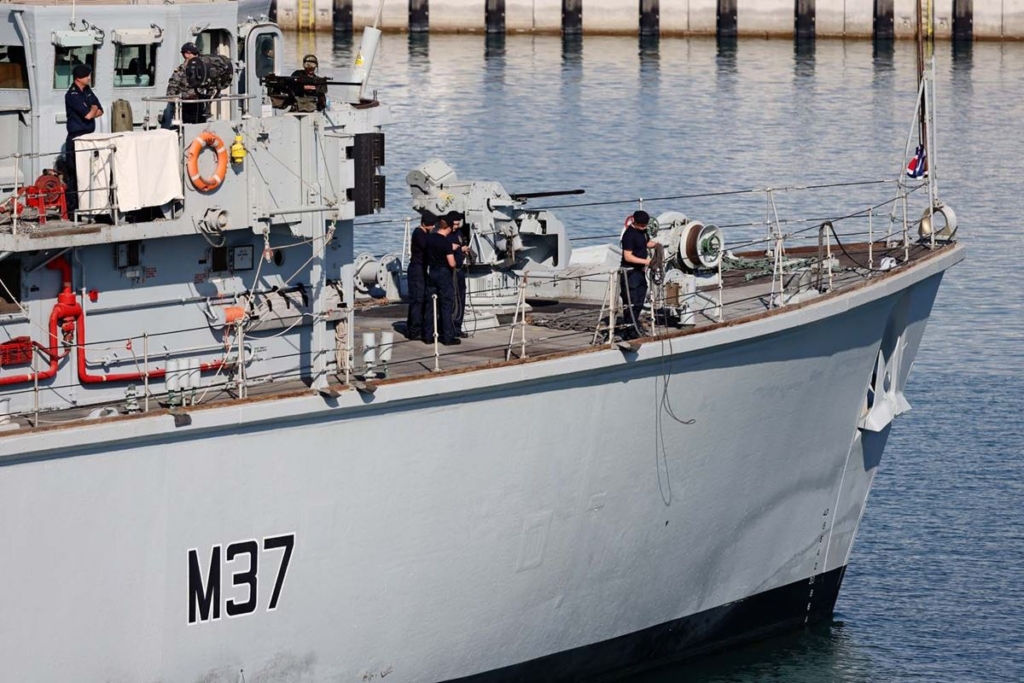
“Whilst she now formally leaves service, the mission she performed remains as important as ever. Freedom of navigation and access to the world’s sea lanes continue to depend upon the specialist skills of mine warfare professionals. As the Royal Navy transitions to the next generation of mine-hunting capability, HMS Chiddingfold can rightly be regarded as part of the foundation upon which that future has been built,” he added.
The Ministry of Defence has committed £1.1 billion ($1.5 billion) to the Mine Hunting Capability programme and £1.3 billion ($1.8 billion) for the wider Hybrid Navy concept, which combines crewed warships with autonomous systems across multiple mission areas.
While autonomous systems are expected to transform mine warfare, they are not intended to replace frigates, whose anti-submarine, escort and maritime security roles remain essential to the Royal Navy’s global operations.
Royal Navy enters a critical phase of fleet renewal
For Britain’s naval shipbuilding sector, the retirements mark an important transition from sustaining legacy platforms to delivering the next generation of surface combatants.
BAE Systems continues construction of the Type 26 programme at its Govan and Scotstoun shipyards on the Clyde, while Babcock is building the five Type 31 frigates at Rosyth. Together, the programmes represent the largest recapitalisation of the Royal Navy’s escort fleet in decades and will sustain thousands of highly skilled jobs across the UK.
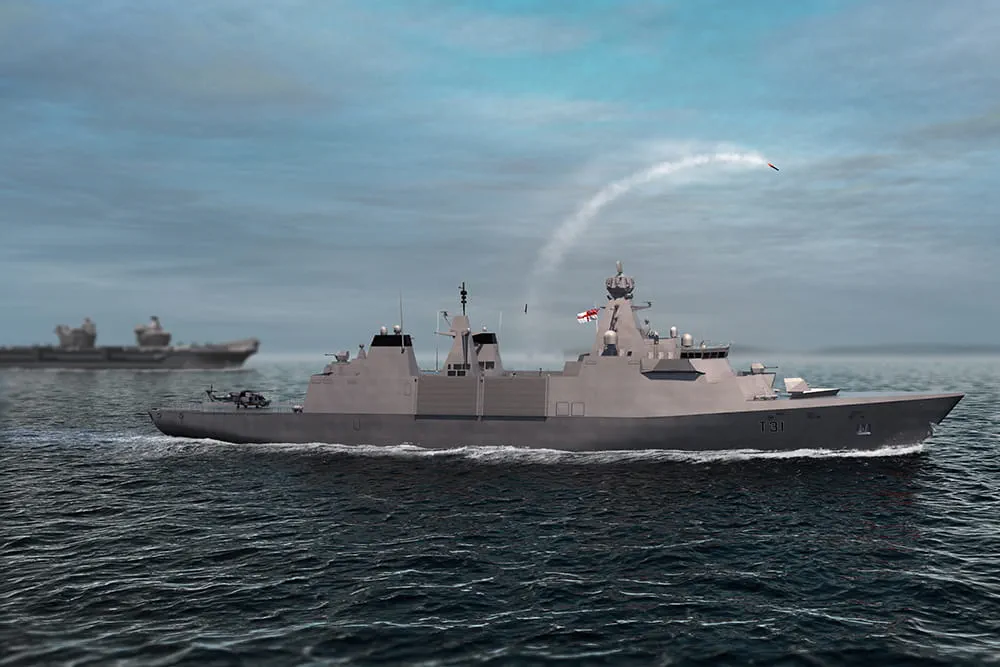
The retirement of HMS Richmond and HMS Iron Duke represents more than the end of two well-travelled frigates. It also illustrates the challenge facing the Royal Navy as it manages the difficult period between retiring an ageing fleet and introducing a new one.
Once the Type 26 and Type 31 programmes reach maturity, the Royal Navy will field a more modern and significantly more capable escort force.
Until then, however, the service will continue to balance growing operational demands against a smaller number of available frigates than originally envisaged.
Sign up for our newsletter and get our latest content in your inbox.
Similar Reads




Sign up for our newsletter. Select all sectors relevant to you.
Related