

UK unveils SAF revenue certainty mechanism to unlock domestic fuel production


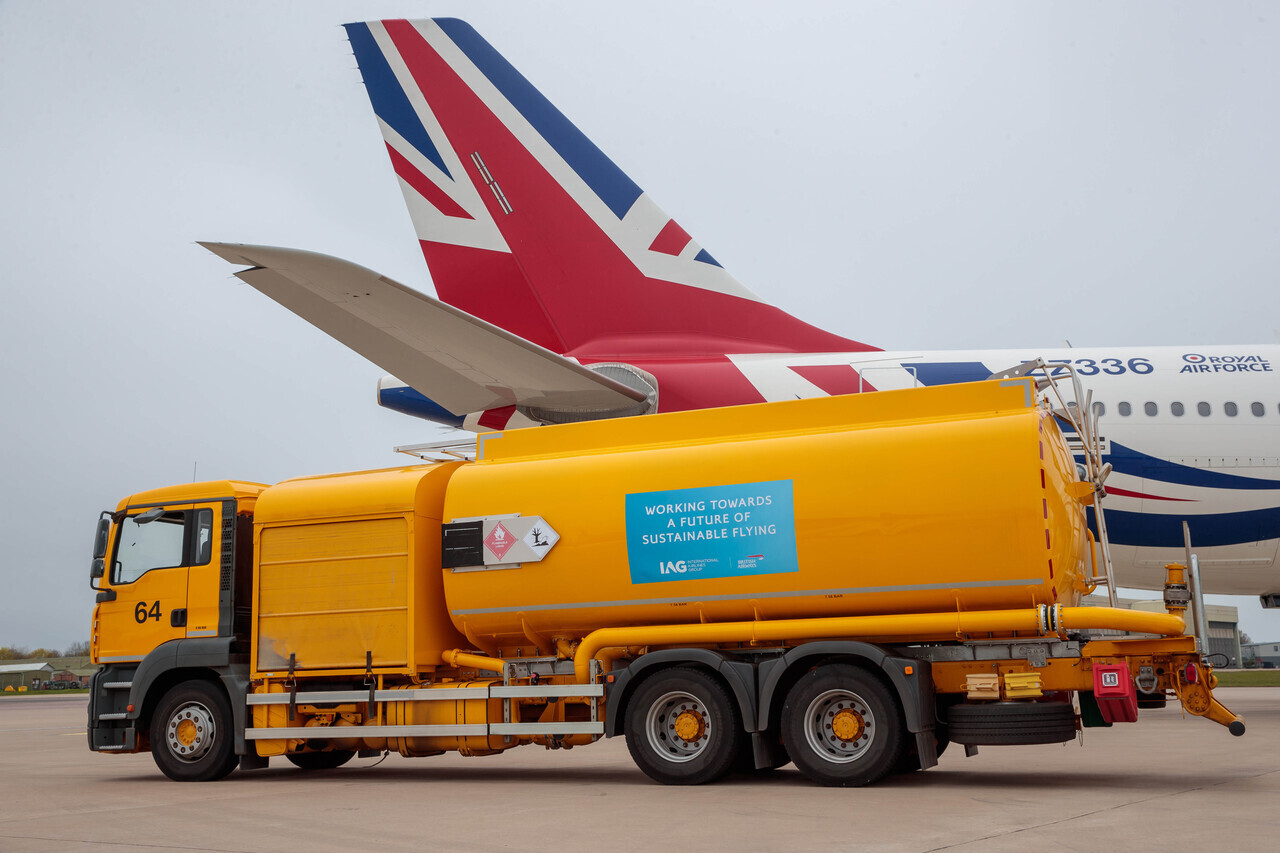
The UK government has published a contract allocation strategy for its Sustainable Aviation Fuel (SAF) Revenue Certainty Mechanism (RCM), outlining how it intends to support the first wave of commercial-scale SAF plants through long-term revenue guarantees. The strategy provides developers and investors with details of the government’s plans to de-risk investment in UK SAF production.
“The government’s goal is clear: to enable people to continue flying while sharply reducing the environmental impact of aviation,” Keir Mather MP, Minister for Aviation, Maritime, and Decarbonisation, said in the report.
The Department for Transport (DfT) confirmed that the first Sustainable Aviation Fuel Allocation Round (SAF AR1) will open for applications in the first quarter of 2027, with shortlisted projects announced from the fourth quarter of 2027 and contracts expected to be awarded from the fourth quarter of 2028.
First round to support up to 230,000 tonnes of annual SAF production
The first allocation round would support projects capable of producing up to 230,000 tonnes of SAF annually, focusing on commercially mature, first-of-a-kind advanced SAF technologies rather than conventional hydroprocessed esters and fatty acids (HEFA) fuels.
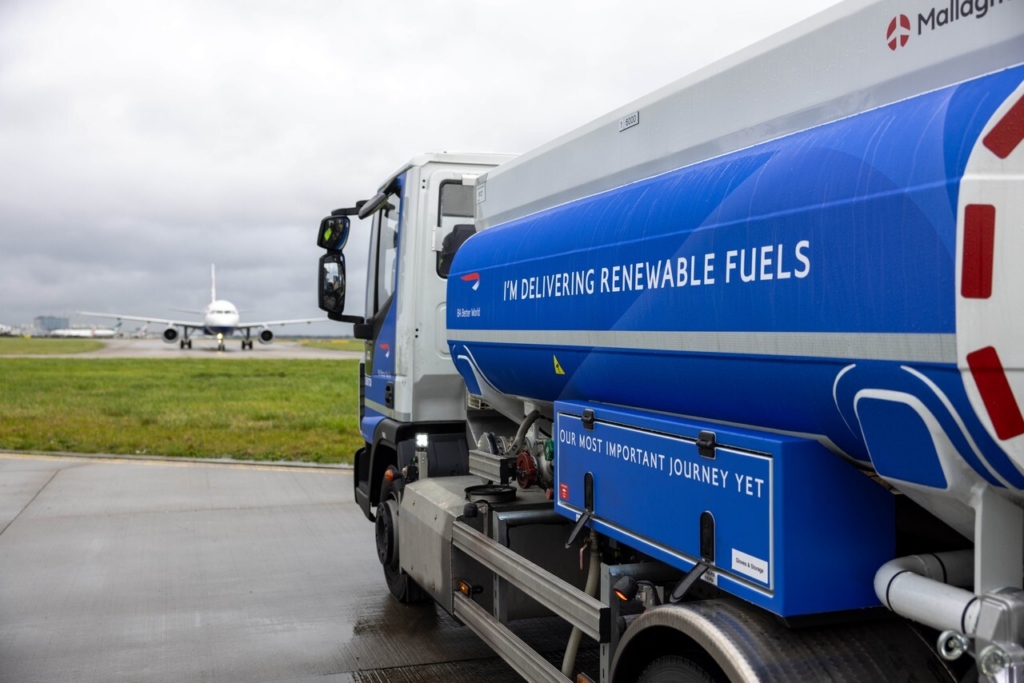
The government says this targeted approach will help projects reach final investment decisions while ensuring value for money and delivering fuel that supports the UK’s SAF Mandate.
A second allocation round is expected around a year after the first contracts are awarded. It is likely to be larger and include a broader range of technologies, with greater consideration for power-to-liquid (PtL) fuels.
How the revenue certainty mechanism works
The Revenue Certainty Mechanism would reduce the financial risk associated with building SAF production plants.
It uses a strike-price model similar to the UK’s Contracts for Difference scheme, which supports renewable electricity generation.
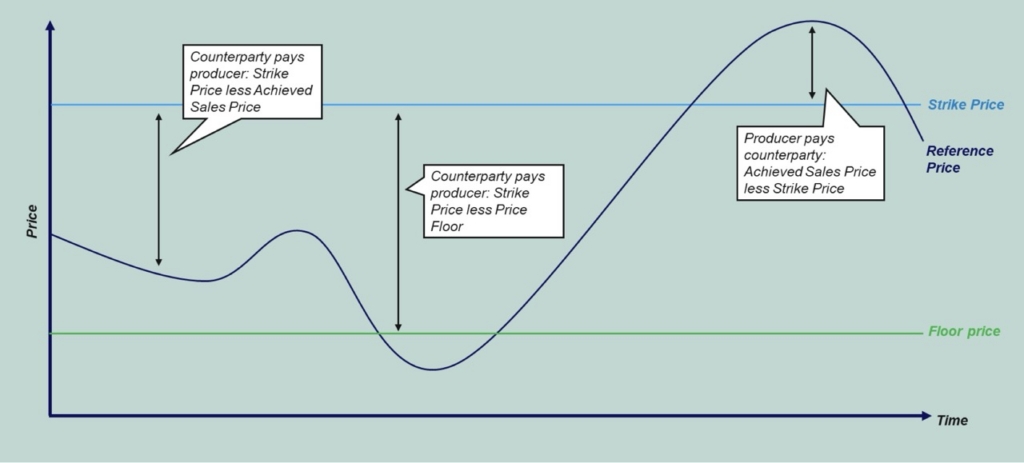
Under the system:
- Producers receive a guaranteed strike price for eligible SAF.
- If the market reference price falls below the strike price, the government-backed counterparty pays the producer the difference.
- If market prices rise above the strike price, producers pay the difference back.
The scheme will be funded through a levy on aviation fuel suppliers, helping developers secure lower-cost financing and making investment in UK production facilities more attractive.
Government targets first commercial UK SAF plants
According to the DfT, the mechanism is intended as a temporary intervention while the domestic SAF industry matures.
The first round will prioritise a small number of highly deliverable facilities with robust technical, financial and commercial plans.
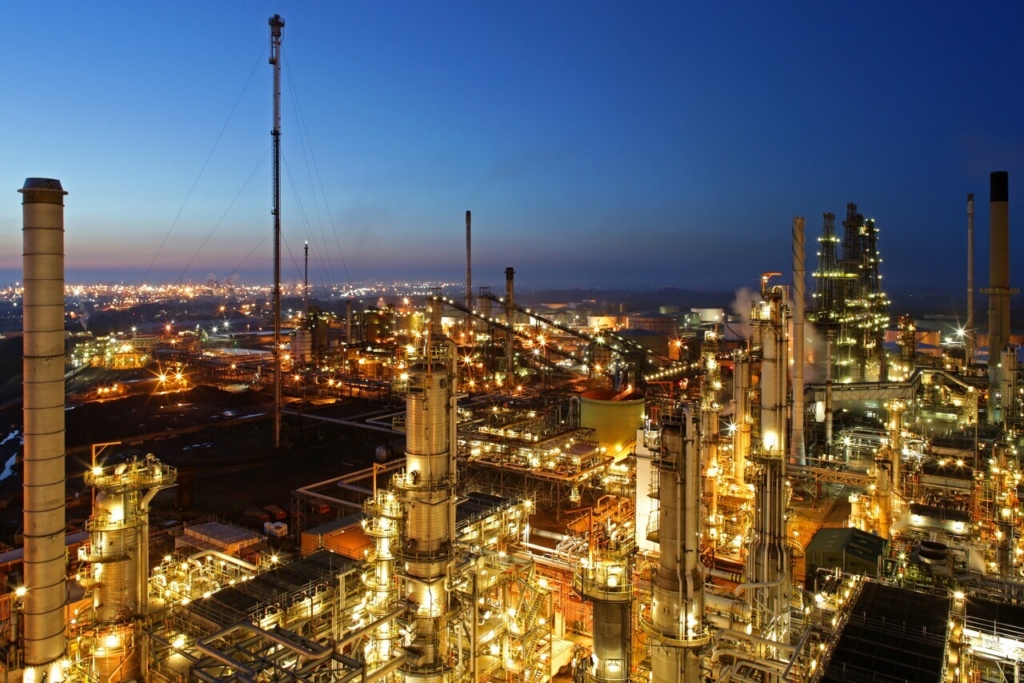
Projects will undergo extensive due diligence before contracts are awarded and must meet construction and commissioning milestones to avoid losing government support.
The government is also seeking to encourage market-based price discovery, with officials indicating future allocation rounds could transition towards competitive sealed-bid auctions once the market is more established.
Levy could cost the industry up to £3 billion
The DfT estimates that supporting the initial 230,000 tonnes of annual production capacity over contracts lasting up to 15 years could cost aviation fuel suppliers up to £3 billion under lower SAF price scenarios.
Under higher SAF market price assumptions, the levy could total around £1 billion over the same period, as producers would return payments when market prices exceed their agreed strike price.
Builds on the UK’s SAF mandate
The strategy forms part of the UK’s wider SAF policy framework, following the introduction of the SAF Mandate and the passage of legislation establishing the Revenue Certainty Mechanism.
Together, the mandate creates guaranteed demand for sustainable aviation fuel. At the same time, the RCM would provide sufficient revenue certainty to unlock the private investment needed to build domestic production capacity.
DfT believes both measures are necessary to establish a competitive aerospace manufacturing sector that promotes aviation decarbonisation, creates skilled jobs, and improves energy security.
Sign up for our newsletter and get our latest content in your inbox.
Similar Reads


Sign up for our newsletter. Select all sectors relevant to you.
Related