

SatVu releases first light imagery from HotSat-2

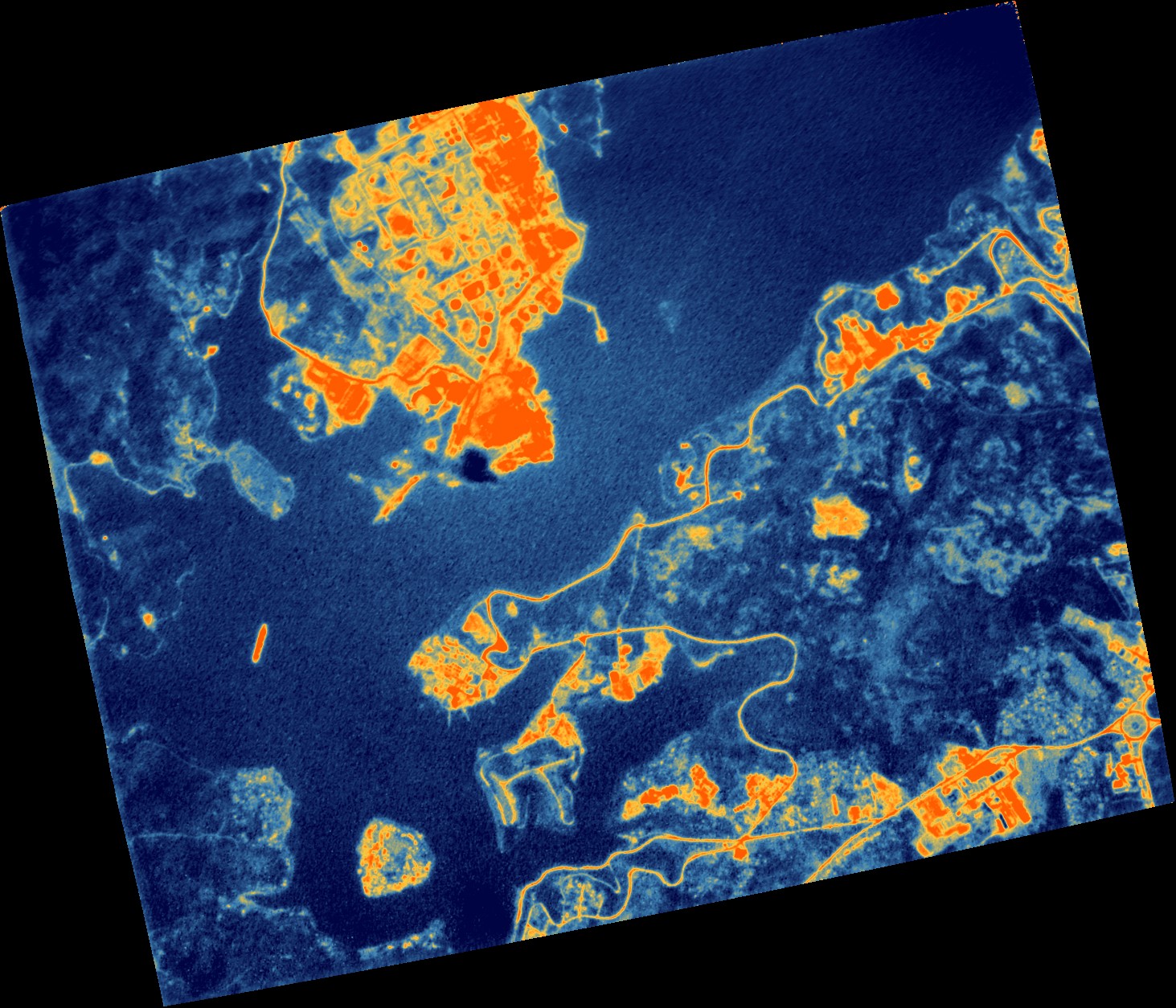
Above: HotSat-2 imaged the Hermanos Díaz refinery on 25 April 2026, two days before the Cuban government publicly announced its first refined products from domestic crude.
Courtesy SatVu
As energy assets in remote and politically sensitive jurisdictions are increasingly difficult for any market participant – government, trader or operator – to monitor independently, the imagery delivers a new layer of information, capturing operational insights about three of the world’s most strategically significant energy sites:
- Cuba’s experimental refining of domestic crude under sanctions
- Reduced capacity at the world’s largest refinery during the current energy crisis
- The production cadence of one of the world’s largest LNG (Liquefied Natural Gas) projects
Where HotSat-1 demonstrated what high-resolution thermal imagery from space could do, HotSat-2 delivers it operationally – at a resolution, frequency and reliability that commercial customers can act on, in markets where electro-optical and synthetic aperture radar cannot deliver the answer.
These images provide independent verification of activity in jurisdictions that are logistically or politically difficult to monitor through conventional means.
The Cuba example illustrates this clearly, with thermal evidence captured 48 hours before public acknowledgment. This establishes thermal data not just as supplementary insight but as an early, objective signal in environments where ground truth is limited or delayed.
Crucially, this data captures heat signatures that remain invisible to electro-optical and synthetic aperture radar systems. Where the key question is capacity utilisation, operational status, or 24-hour activity cycles, thermal intelligence is the only data layer that can deliver a definitive answer. It is the in-situ, time-based activity layer that has always been missing from every analyst’s stack.
Anthony Baker, CEO and Co-Founder of SatVu commented on the newly released intelligence: "SatVu was founded to give governments and customers access to intelligence they cannot get elsewhere.
“With HotSat-2 in orbit, that capability is operational. These images show what independent thermal data delivers in the markets that need it most – sanctions monitoring, energy security, and the operational state of the assets moving global commodities.
“The appetite across national security, economic and environmental monitoring is a powerful validation of what we are building."
Scott Herman, Chief Technology Officer, SatVu added, "Thermal infrared shows what other sensors miss. SatVu changes the game for Global Monitoring missions – daytime and nighttime high-resolution thermal imagery from space delivers unprecedented insight into operational activities at facilities anywhere in the world.
“The Cuba image – captured before public acknowledgment of the refinery’s restart – illustrates exactly what thermal intelligence makes possible: independent verification of activity in places that are otherwise difficult to monitor.
“This new data layer enables a higher level of operational understanding and validation: confirming what is running, when and at what intensity. On or off, Hot or not. For commodity traders, energy operators, intelligence agencies and environmental regulators, this highly valuable operational understanding directly informs commercial positioning, risk assessment and strategic decision-making.
"Against the current backdrop of sustained disruption and expanding sanctions, access to timely, independent intelligence is no longer optional – it is critical for governments, markets and operators to understand real-world activity and make decisions in an uncertain global environment.”
Sign up for our newsletter and get our latest content in your inbox.
Similar Reads


Sign up for our newsletter. Select all sectors relevant to you.
Related