

Scottish space sector secures UK Space Agency investment

Credit: Contains modified Copernicus Sentinel data [2016]/processed by ESA.
Scottish universities will collaborate with partners nationwide to receive a share of £3.8 million from the National Space Innovation Programme (NSIP), on technologies for secure communications, environmental monitoring, and navigation.
Space Minister Liz Lloyd said: "We’re backing Scotland’s brilliant scientists and engineers to develop space technology that makes a real difference to people’s everyday lives. Whether it’s cleaner air in our communities, keeping personal information safe online, or making sure emergency services can always get where they need to go – this is what space innovation is all about.
"By investing in Scottish talent and expertise, we’re building a stronger economy and a brighter future for Scotland’s communities."
UK Government Scotland Office Minister Kirsty McNeill, who is giving a keynote speech at Space-Comm Expo Scotland today, said: "This UK Government funding is another great example of why it’s such an exciting time for the Scottish space sector – a vitally important industry employing thousands of people across Scotland.
"With our globally renowned expertise in designing and building satellites and rockets, world-leading universities and research centres analysing and applying space data, a commitment to sustainability and unrivalled geographical launch advantages, Scotland is rightly positioned at the forefront of the ever-accelerating space revolution.
"The UK Government will continue to work closely with industry, academia and other key partners to back Scotland’s space sector and ensure we maximise its economic growth and job creation potential, while raising living standards and developing critical national infrastructure that provides commercial and geopolitical opportunity and national security."
Scotland plays a vital role in the UK space sector, contributing £381 million in income and employing 7,120 people (2022/23). It accounts for 13% of total UK space sector employment, making it the third-largest regional employer after London (33%) and the South East (17%).
The Scottish Government’s Business Minister Richard Lochhead said: "Scotland’s space sector and wider supply chain is already delivering on its significant economic potential but also helping solve some of the world’s most important challenges from climate change to telecommunications.
"This funding from the National Space Innovation Programme will help accelerate this work, leveraging our world-class universities to ensure the country’s industry remains at the forefront of space technology development and advancement."
To support this, the UK Space Agency is also announcing £1.1 million in funding for the space clusters of Scotland, Northern Ireland and Wales, supporting each of the UK’s devolved administrations to harness their unique space sector strengths, catalyse investment to drive local economic growth and deliver the ambitions of their space strategies.
Space Scotland will gain £350,000 to strengthen its capabilities in Earth Observation and In-Orbit Servicing and Manufacturing (ISAM) by fostering new partnerships between academia, industry, and government. The funding will also support innovative non-space companies to pivot their technologies and capabilities into the UK’s growing space market.
Dr Natasha Nicholson, CEO of Space Scotland said: "This investment from the UK Space Agency is a powerful vote of confidence in Scotland’s role at the forefront of UK space innovation. These projects demonstrate the strength of our research base and the talent driving advancements in secure communications, environmental monitoring, and resilient navigation — technologies that will shape the future of global space infrastructure.
"We are especially pleased to see dedicated support for Scotland’s space cluster. This funding will help us deepen partnerships across industry, academia and government, accelerate commercial opportunities, and ensure that Scotland continues to deliver meaningful impact for the UK’s economy, sustainability goals and national resilience. Space Scotland looks forward to working with our partners to turn this momentum into long-term growth for the entire sector."
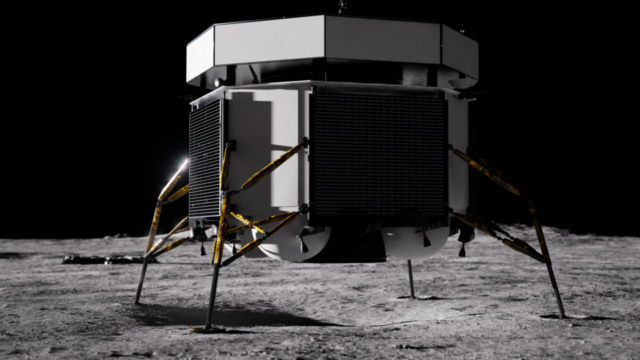
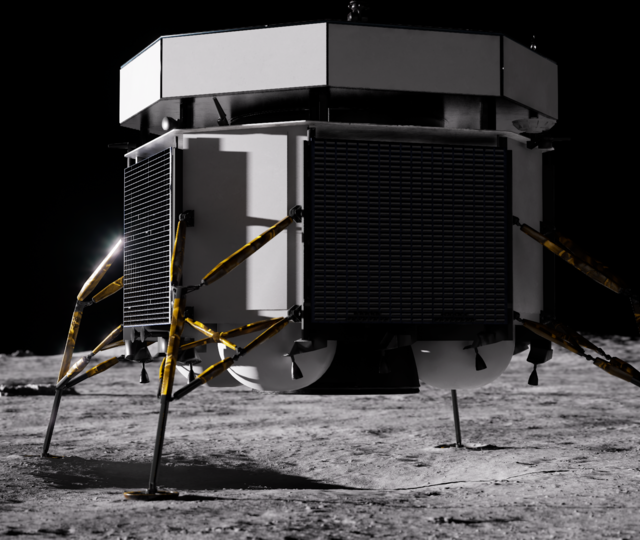
Scotland is also playing a key role in OXYGEN, a project awarded £410,000 funding through the UK Space Agency’s International Bilateral Fund to make lunar exploration more sustainable. Led by AVS UK with partners including the University of Glasgow, the project is developing technology to extract oxygen from Moon soil, or ‘regolith’, a vital step towards producing rocket fuel and life-support materials on-site during lunar missions. This innovation builds on European Space Agency research and will demonstrate oxygen production using lunar-like materials, while Glasgow engineers create advanced systems to collect and transfer samples.
National Space Innovation Programme funding
Launched in April 2025, NSIP Call 2 attracted over 560 proposals, reflecting strong demand from UK industry and academia. The programme backs high-risk, high-reward ideas that move technologies closer to market, unlock private investment, and align with national priorities.
The University of Edinburgh, working with the UK Astronomy Technology Centre, is developing a compact instrument for CubeSats to measure pollution such as NO₂ and CO₂ from space, supporting climate action and cleaner air.
The University of Strathclyde, in partnership with BAE Systems, is creating a new satellite navigation system that avoids relying on GPS, by maintaining an agreed time through synchronisation. This ensures planes, ships, and emergency services keep moving safely, even if GPS is jammed or fails.
Heriot-Watt University is collaborating with Toshiba Europe and Cambridge University to build a secure quantum communication transmitter for small satellites, using UK-developed technology to protect sensitive data, keeping information such as financial transactions or defence data secure, reducing the risk of hacking.
Meanwhile, the University of Strathclyde is also part of a consortium led by the University of Bristol to develop a UV-based device for CubeSats that enables secure data transmission between satellites, strengthening cybersecurity in orbit, which is vital for services we rely on every day such as weather forecasts, navigation and communications.
These projects highlight Scotland’s growing role in space technology, from safeguarding communications to monitoring environmental change and ensuring navigation systems remain robust. Together, they advance the UK’s sustainability and security goals while showcasing the country’s leadership in cutting-edge research.
Building a world-leading space economy
This new investment from the UK Space Agency builds on the UK’s £18 billion space sector, which continues to grow rapidly and is a leading destination for space investment globally.
The UK last week agreed a £1.7 billion investment package in European Space Agency (ESA) programmes at the ESA Council of Ministers in Bremen, boosting the UK’s total commitment to £2.8 billion over the next decade. This funding will sustain thousands of high-skilled jobs, drive innovation, and deliver benefits for people and businesses—from improved connectivity to more resilient infrastructure.
Every £1 invested in ESA returns £7.49 to the UK economy, with contracts flowing back to UK industry and universities. Today’s announcement complements recent UK Space Agency funding that reinforce the UK’s strategic direction in space. These include £6.8 million in International Bilateral Fund awards to support global partnerships, and £6.9 million in government funding for satellite communications projects, leveraging the space sector’s talents and strengthening the UK’s reputation as a world leader in space technology.
Together, these efforts reflect a coordinated approach to growing the UK’s space economy, advancing innovation, and delivering lasting value to citizens and stakeholders across the country.
Sign up for our newsletter and get our latest content in your inbox.
Similar Reads



Sign up for our newsletter. Select all sectors relevant to you.
Related