SDE Technology leads development of superplastic forming process
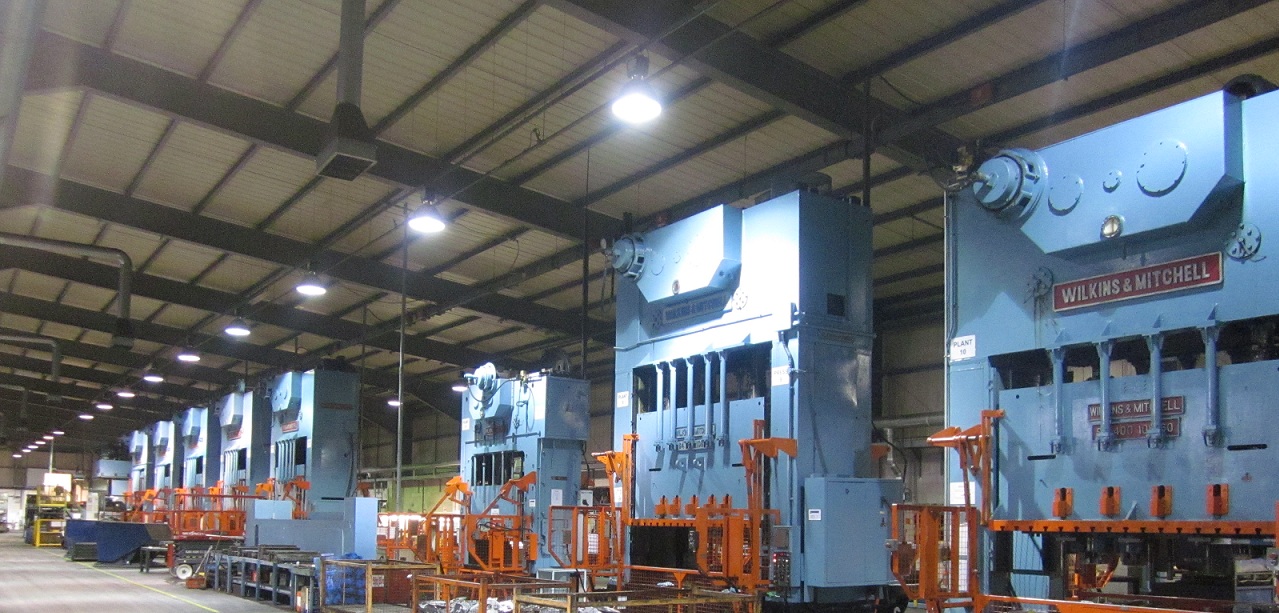
Image courtesy SDE Technology
The project forms part of the National Aerospace Technology Exploitation Programme (NATEP) and is supported by the Advanced Forming Research Centre (AFRC) within the National Manufacturing Institute Scotland (NMIS) Group – operated by the University of Strathclyde and part of the High Value Manufacturing Catapult (HVMC). Boeing and Timet UK are industry collaborators, supporting the project with technical and business activities.

Superplastic forming is a near net shape manufacturing method for producing thin-sheet metallic components and is typically used to create complex-shaped titanium parts used by the aerospace sector.
The new hybrid technique is estimated to shorten the forming cycle time by over 50% and cut the manufacturing cost by as much as 25%, when compared with traditional superplastic forming. Applying this process will enable SDE Technology to enter the aerospace market, strengthening the UK supply chain in high-value manufacturing of titanium parts.
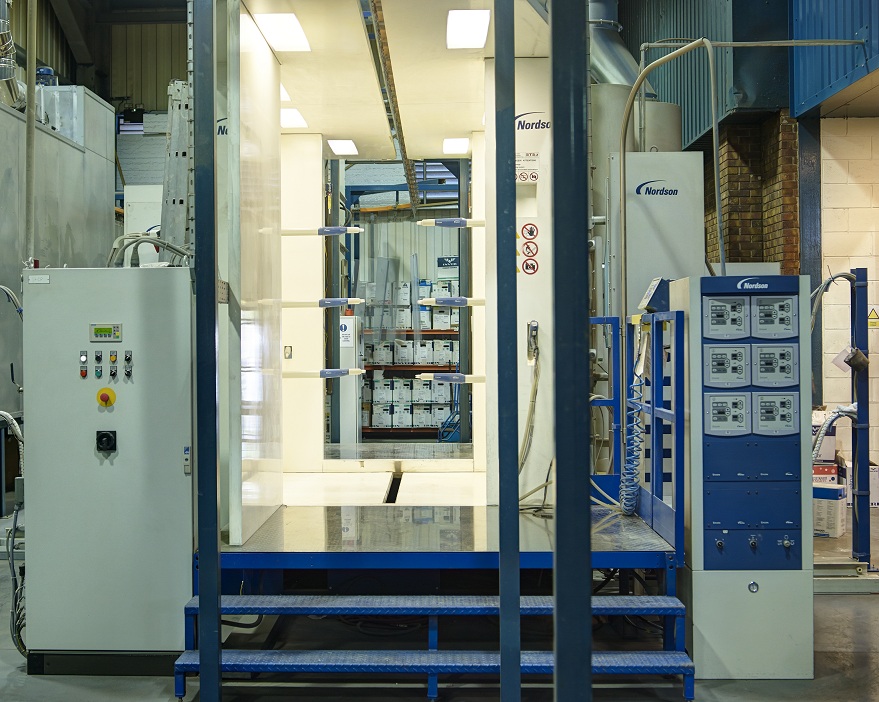
Manufacturing with this new approach uses innovative new tooling which enables a much reduced process time.
Evgenia Yakushina, forming team lead at the Advanced Forming Research Centre, said: “Our team has a combined 200 years of experience in material science, modelling and superplastic forming, which makes us well-placed to support the development of new techniques that could make a big impact on the entire aerospace industry. This work has the potential to unlock opportunities for manufacturers to offer improved, quicker methods of producing key parts for aircraft. So far, the research has demonstrated huge potential with important parallels between the new hybrid method and the traditional approach already evident.”
The AFRC team has previously investigated the hybrid technique but the latest collaboration explores how it could be scaled up for the industrial needs associated with the aerospace sector. At the end of the 18-month research project – funded by the Aerospace Technology Institute (ATI) programme through NATEP – the team aims to prove that complex-shaped titanium components can be manufactured to the same specification, tolerances and quality compared to traditional superplastic forming.
Further funding has also been secured to evaluate the carbon footprint of the new process, which could be cut significantly because of shortened heating and forming times, as well as using lower temperatures of around 800°C.
In addition, when exposed to high temperatures during superplastic forming, an oxide layer is formed on titanium components – known as alpha case – which requires powerful acids to remove. The new approach uses less heat and, therefore, also reduces the layer thickness and associated time spent to remove it.
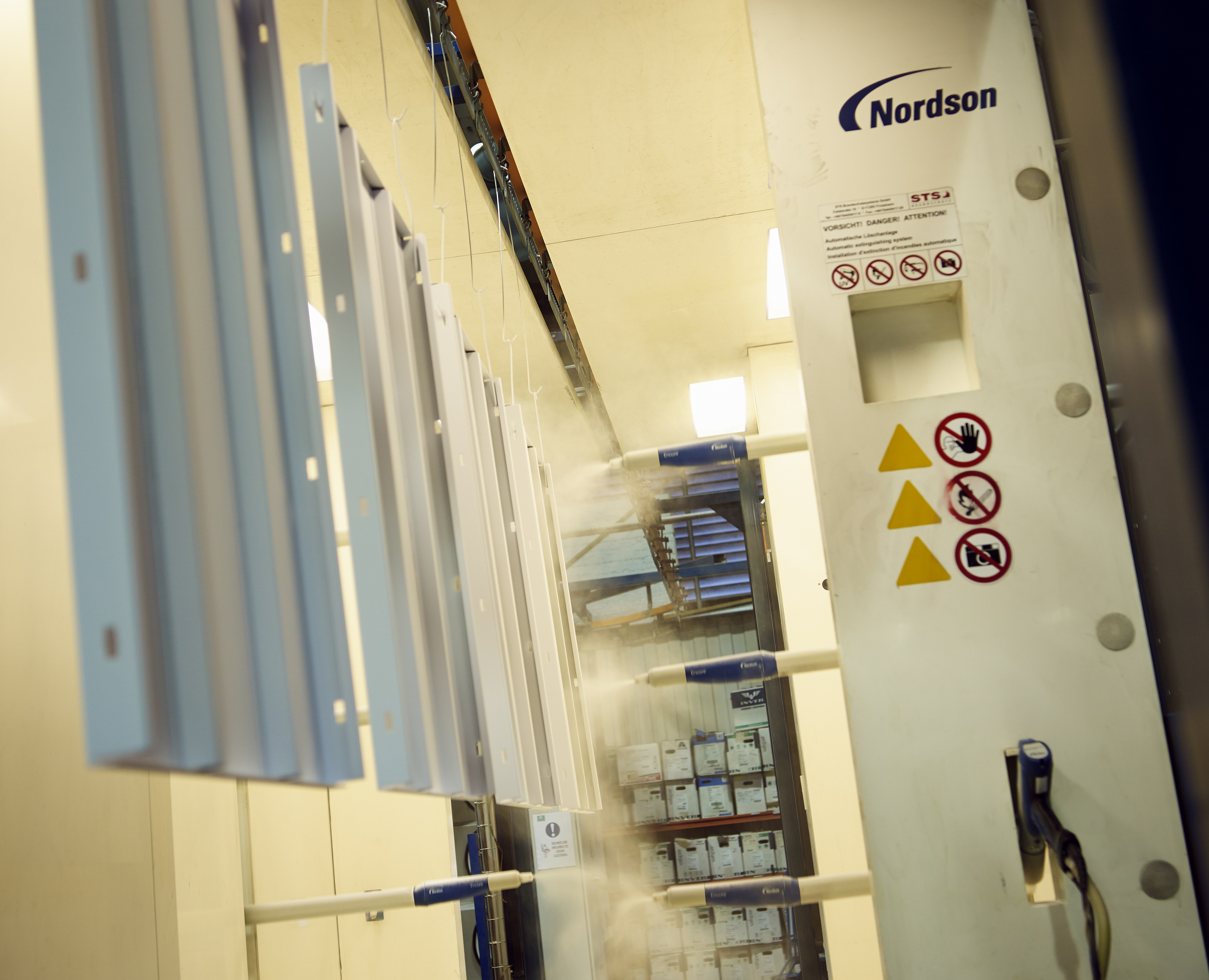
Richard Homden, CEO of SDE Technology, said: “This project has huge potential for not only us as a business but also the whole aerospace sector. It is fantastic to be working collaboratively to explore new manufacturing techniques. Hot forming was not previously our area of expertise but with the technical support and knowledge base from the AFRC we can see it becoming a core element of our business plans moving forward. We’re especially excited by the opportunity to become part of the supply chain for aircraft and provide Boeing with UK-manufactured components.”
David Milliken, technical lead for forming and forging at Boeing, added: “Boeing is committed to working with partners across the globe on projects that advance innovation in the aerospace industry. This is a very exciting project with the chance to further advance manufacturing processes in the UK and we look forward to contributing to this collaboration.”
Nick Humphreys, senior R&D engineer at Timet UK, said: “This is an exciting technology. We welcome the opportunity to be part of collaborative research programme aimed at solving specific customer problems."