Skyrora conducts record first rocket engine tests
Edinburgh-based Skyrora used its base in Cornwall to carry out engine checks on its XL rocket, the firm’s main orbital launch vehicle.
The engine boasts stop-start technology, meaning Skyrora’s rocket can deliver satellites to different orbits – similar to a school bus dropping pupils off at different locations on its route. The firm also hosted an invitation day to showcase the new engine with local school children, partners and the media.


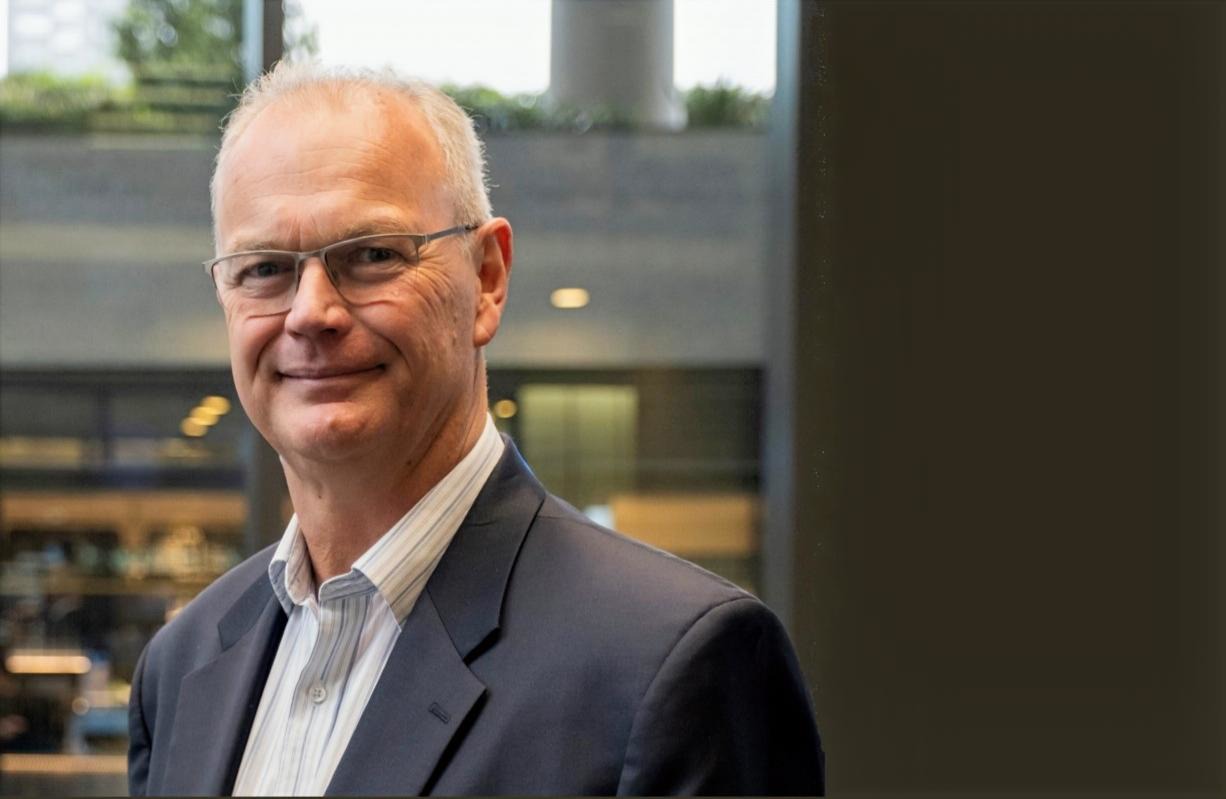
Vladimir Levykin (above), CEO at Skyrora, said: “It’s always exciting to reach testing stage and even more so for our XL rocket. “Not only is it our main orbital launch vehicle but this is the first time a commercial, fully 3D-printed bi-liquid rocket engine has been tested in the UK. “Naturally we’re delighted that the tests have gone so well over both testing days and it’s testament to the dedicated work of the team that we’ve reached this stage so smoothly. “We’re passionate about inspiring the next generation of talent so it was a real thrill to invite local school children along to learn more about the technology and realise they can have a career in rocket engineering when they’re older.”
The engine’s 3D-printed technology represents a landmark moment in the industry as it al-lows cooling channels to be embedded into the walls of the combustion chamber, meaning the engine requires fewer parts. This makes it much more straightforward to assemble, ultimately boosting reliability and cost-effectiveness for Skyrora customers. Its unique start-stop technology is made possible due to the use of decomposed hydrogen peroxide, which can self-start the combustion when the electronic ‘brains’ of the rocket signal it to do so.
Vladimir added: “The engine itself will fire for 30 seconds during testing. “Our tests will check engine performance to trial our one of a kind mobile rocket test labora-tory and provide valuable staff training. “It’s been built in Scotland and gives our team a chance to make sure everything works as per their plans and designs.”
Skyrora is working towards a ‘green’ fuel that can be used in future launches. The ecosene fuel will make use of discarded, unrecyclable plastic waste and will emit 45% less greenhouse gases than traditional engines based on liquid oxygen. Skyrora uses technology similar to famed British rocket ‘Black Arrow’ which enjoyed four suc-cessful launches between 1969 and 1971 - the only successful UK-led launches. The firm aims to complete the inaugural launch of its Skyrora XL vehicle from a British space-port by 2022.