SOLAR-1 becomes operational

Global space weather forecasting is getting a step-change in capability as the National Oceanic and Atmospheric Administration’s (NOAA) SOLAR-1 satellite becomes operational.

Image courtesy Met Office

The satellite, which launched on 24th September 2025, will provide a 24/7 near real-time data stream giving forecasters critical lead time to generate forecasts which help protect satellites, as well as vital infrastructure on Earth.

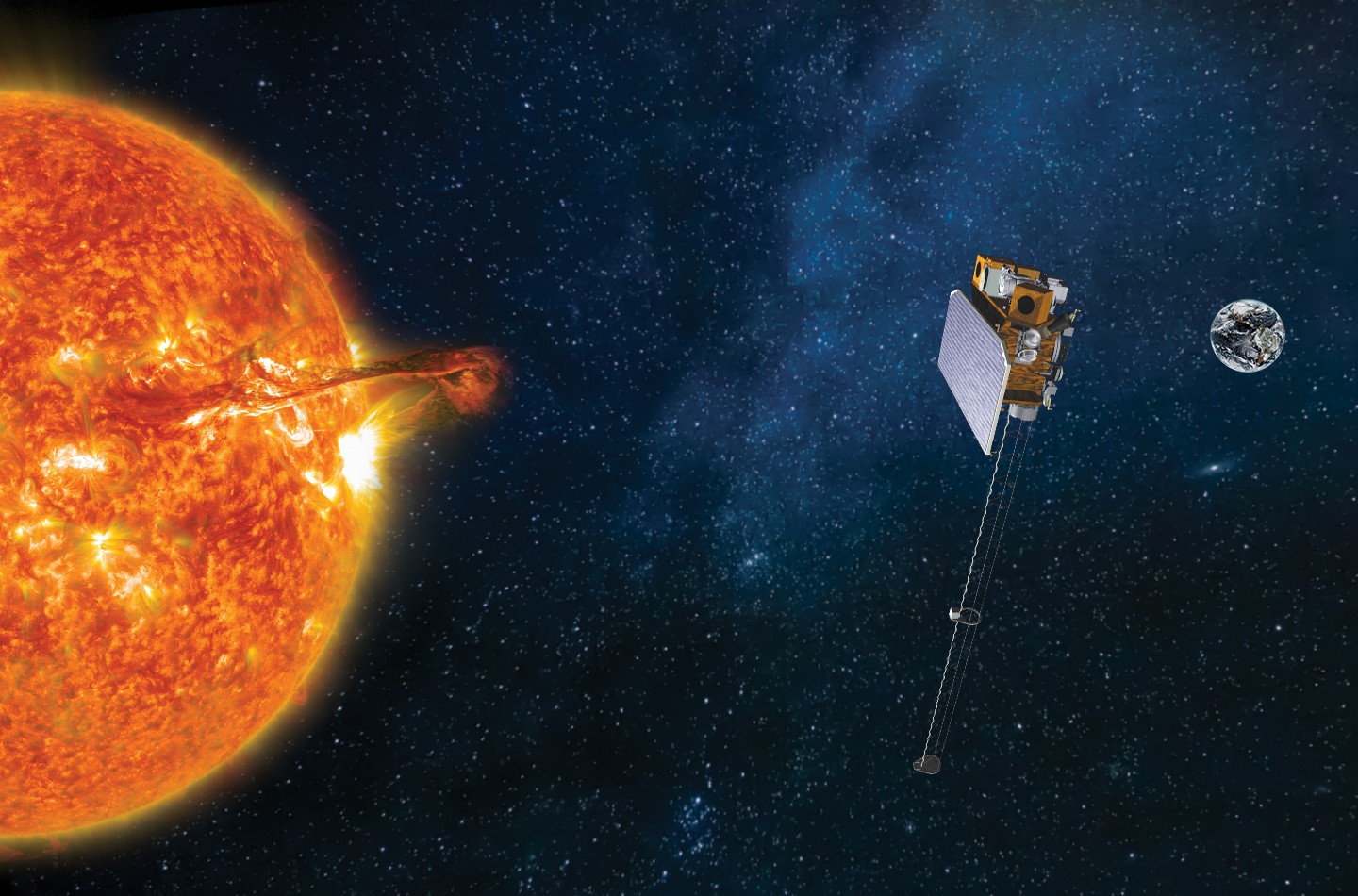
SOLAR 1 is positioned at the L1 point, around one million miles from Earth, where its instruments continuously observe the Sun and its outer atmosphere, measuring the solar wind and imaging solar activity as it leaves the Sun.

Last week, the satellite became fully operational for the first time, providing vital detailed information to space weather forecasters around the world.

Met Office Space Weather Manager Simon Machin said: “SOLAR-1 provides a real step-change in observations of events emanating from the Sun and will vastly enhance our ability to forecast impactful space weather.

“As one of a handful of 24/7 space weather forecasting centres in the world, we’ll benefit from the improved availability of data from the satellite, with imagery from the coronagraph available around every 30 minutes, while on board data collection measuring solar wind will be available around every five minutes.”

Clinton Wallace, Director of NOAA’s Space Weather Prediction Center, said: “It means more time to act.
“It gives time for power grid operators to prepare, more time for satellite operators to protect assets, more time for aviation and national security partners to understand risk, and more time for human spaceflight teams to protect astronauts and missions.

“SOLAR-1 helps turn observations of the sun into practical decisions that protect lives, infrastructure, the economy and national security.”

Monitoring the Sun’s activity
SOLAR-1 helps provide continuity of observation data from the L1 position, vital for space weather monitoring and forecasting and building on data from missions that first launched in the 1990s and have operated well beyond their original design lifetimes.

Technology on board:

  • Coronagraph – captures images of coronal mass ejections as they leave the Sun
  • Solar Wind Plasma Sensor – measures the stream of charged particles flowing from the Sun
  • Suprathermal Ion Sensor – detects high energy particles that often precede major solar storms
  • Magnetometer – tracks changes in the magnetic field carried by the solar wind

Now providing imagery and data to space weather prediction centres around the world, including the Met Office Space Weather Operations Centre, the new information will enable enhanced forecasting capability of solar events, better informing models and providing crucial information for expert forecasters.

In addition, the landmark European Space Agency (ESA) Vigil mission, which will place a satellite with a side-on view of the Sun in the L5 position, is planned to launch early in the 2030s and will become Europe’s first operational space weather satellite.

Related

Dowty to open UK Innovation Centre in Gloucester
Next-gen propeller systems
Dowty to open UK Innovation Centre in Gloucester
A £19 million investment from GE Aerospace will enable Dowty to open an Innovation Centre in the UK that will advance the development and pre-production of next-generation propeller systems and other innovative aerospace technologies.
Aerospace Member News

18 Nov 2026

Gatwick awards slots to GOL as airline eyes international growth
GOL Linhas Aéreas Airplane
Gatwick awards slots to GOL as airline eyes international growth
Brazil's largest low-cost carrier has secured coveted Gatwick slots for summer 2027, strengthening its long-haul ambitions and signalling potential growth in UK-Brazil connectivity.
Aerospace

18 Nov 2026

Engineering and defence jobseekers lower career ambitions, survey finds
Engineer male advance robotic machine designer team talking with electronic component part supplier business consulting in heavy machinery industry concept.
Engineering and defence jobseekers lower career ambitions, survey finds
Research from Tribepad finds that more than half of rejected jobseekers in engineering, manufacturing, aerospace and defence have lowered their ambitions.
Aerospace Defence

18 Nov 2026

92% of UK defence firms surveyed plan to use more domestic suppliers as procurement concerns persist
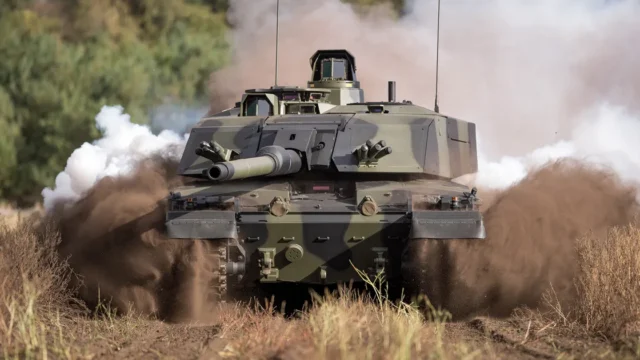
British-Army-Challenger-3-tank
92% of UK defence firms surveyed plan to use more domestic suppliers as procurement concerns persist
UK defence firms plan to work with more domestic suppliers over the next year, but changing contract requirements and lengthy decisions remain concerns.
Defence Security

18 Nov 2026

Four UK SMEs bring AI, aircraft and recycled materials to Leonardo’s drone swarm trials
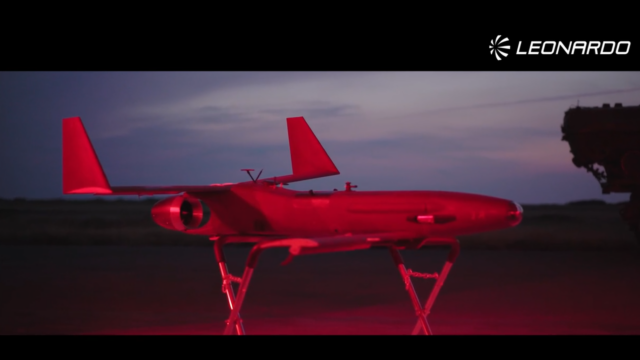
Sovereign Hunter Leonardo UK
Four UK SMEs bring AI, aircraft and recycled materials to Leonardo’s drone swarm trials
Volander, Faculty, Uplift360 and Applied AGI supplied the aircraft and software behind Sovereign Hunter, which went from contract to flight trials in six months.
Defence Member News

18 Nov 2026

Engineering and defence jobseekers lower career ambitions, survey finds
Engineer male advance robotic machine designer team talking with electronic component part supplier business consulting in heavy machinery industry concept.
Engineering and defence jobseekers lower career ambitions, survey finds
Research from Tribepad finds that more than half of rejected jobseekers in engineering, manufacturing, aerospace and defence have lowered their ambitions.
Aerospace Defence

18 Nov 2026

University of Surrey develops electronic eye to monitor solar storms
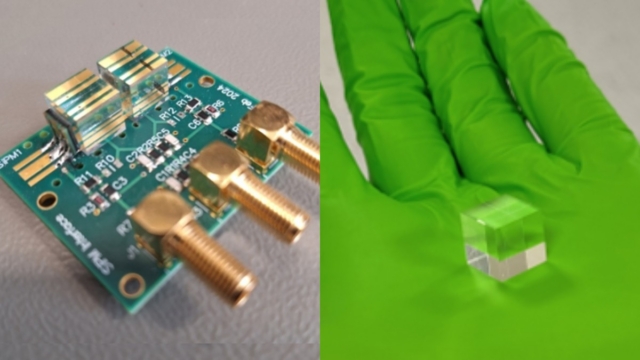
HEPI prototype ‘electronic eye’ sensor
University of Surrey develops electronic eye to monitor solar storms
Under a £400,000 contract with the European Space Agency (ESA) and the UK Space Agency (UKSA), a team of researchers at the University of Surrey will develop an ultra-compact monitor to reveal the effects of radiation from solar storms on space infrastructure, aircraft and terrestrial systems like satellites.
Aerospace Space

18 Nov 2026

BAE Systems selected as NASA PRIMA partner
NASA’s PRIMA far-infrared space observatory, built on BAE Systems’ Evolve+ platform.
BAE Systems selected as NASA PRIMA partner
Alongside a number of international space industry providers, BAE Systems will support NASA’s PRIMA mission to survey the history and evolution of the universe and bridge current scientific gaps.
Member News Space

18 Nov 2026

First Light Fusion and STFC’s CLF partner on FLARE fast ignition
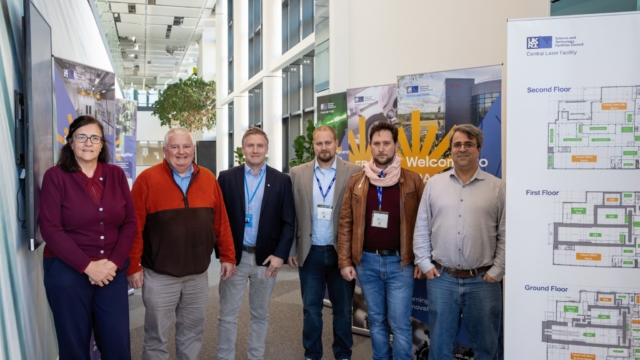
First Light Fusion team at STFC’s Central Laser Facility (CLF)
First Light Fusion and STFC’s CLF partner on FLARE fast ignition
A new collaboration between First Light Fusion and STFC’s Central Laser Facility (CLF) will develop the rapid heating stage of FLARE, advancing its progress towards low cost, high gain inertial fusion.
92% of UK defence firms surveyed plan to use more domestic suppliers as procurement concerns persist
British-Army-Challenger-3-tank
92% of UK defence firms surveyed plan to use more domestic suppliers as procurement concerns persist
UK defence firms plan to work with more domestic suppliers over the next year, but changing contract requirements and lengthy decisions remain concerns.
Defence Security

18 Nov 2026

Your business has been hacked: What should happen in the first 24 hours?
Cyber security operations
Your business has been hacked: What should happen in the first 24 hours?
A cyber attack can stop operations within minutes. New NCSC guidance explains the critical decisions businesses must make in the first 24 hours.
Security

18 Nov 2026

HM King Charles opens new National Cyber Force HQ
HM King Charles III opens new NCF HQ at Ribble House, Samlesbury, Lancashire.
HM King Charles opens new National Cyber Force HQ
The new headquarters of the National Cyber Force (NCF) at Ribble House in Lancashire has been officially opened by HM King Charles III, where he gained insights into the vital role of the NCF in strengthening the UK’s cyber capability.
Defence Security

17 Nov 2026