Advancing UK Aerospace, Defence, Security & Space Solutions Worldwide
  • Home
  • /
  • Space
  • /
  • Solar Orbiter ready for its close-up with the Sun

Space

Solar Orbiter ready for its close-up with the Sun

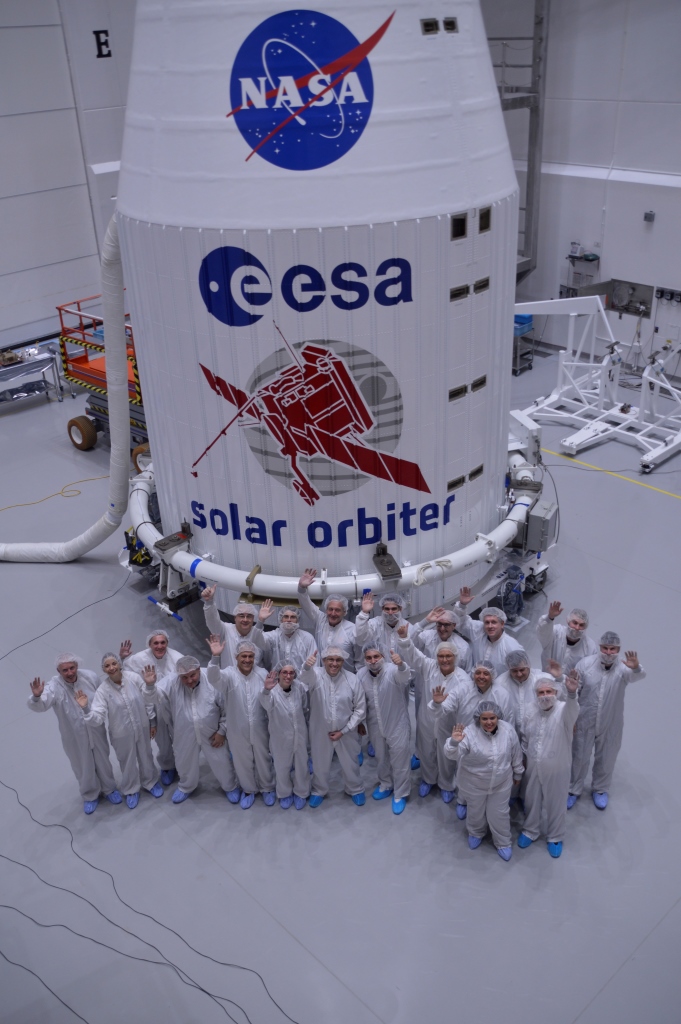
The Solar Orbiter - built at Stevenage in the UK by Airbus - has been fitted inside the protective fairing, mounted on top of the launcher and is now ready to fly from Cape Canaveral in Florida at 4am on Monday, 10 February (GMT).

The next time the satellite will see the Sun will be when it’s in space on its journey to the centre of the Solar System.
 
The European Space Agency (ESA) mission will revolutionise understanding of how the Sun creates and controls the giant bubble of plasma surrounding the Solar System and influences the planets within it.
 
Solar Orbiter has 10 in-situ and remote sensing instruments to take photographs, spectra, measure solar wind plasma, fields, waves and energetic particles very close to the Sun.

Advertisement
ODU RT


Copyright Airbus Defence and Space UK

 
The UK built spacecraft will make a close approach to the Sun every five months; at its closest approach Solar Orbiter will only be 42 million km away, closer than the planet Mercury. During these times it will be positioned for several days over roughly the same region of the Sun’s surface, as the Sun rotates on its axis. This will enable unprecedented observations of magnetic activity building up in the atmosphere that can lead to powerful flares and eruptions.
 
The spacecraft will use gravity assist manoeuvres at Venus to achieve its elliptical operational orbit and further fly-by manoeuvres to increase its inclination to view the Sun from the Polar Regions for the first time in history.
 
Solar Orbiter will have to endure temperatures of more than 500°C, hot enough to melt lead. Its heat shield, with a coating called SolarBlack, will continually face the Sun, protecting the sensitive instruments behind it, some of which still require heaters to keep them warm and at optimum operating temperature.
 
Ian Walters, Airbus’ programme manager for Solar Orbiter said: “After eight years of design and manufacture, Solar Orbiter is now ready to launch and to study the Sun as never before. Everyone in Airbus is excited and just a little apprehensive as we approach the day when the spacecraft starts its journey to the Sun.”
 
ESA selected Airbus Defence and Space, Stevenage to design and build Solar Orbiter in 2012. The mission’s lifetime will be up to 10 years. Solar Orbiter builds on hugely successful Airbus-built missions such as SOHO and Ulysses that have provided remarkable insights into the workings of our Sun.

Airbus is a global leader in aeronautics, space and related services. In 2018 it generated revenues of €64 billion and employed a workforce of around 134,000. Airbus offers the most comprehensive range of passenger airliners. Airbus is also a European leader providing tanker, combat, transport and mission aircraft, as well as one of the world’s leading space companies. In helicopters, Airbus provides the most efficient civil and military rotorcraft solutions worldwide.


The launch will be livestreamed:  https://www.esa.int/esawebtv  

Advertisement
Security & Policing Rectangle


Advertisement
General Atomics LB
Farnborough International Airshow 2026 unveils new features

Aerospace Defence Security Space Events

Farnborough International Airshow 2026 unveils new features

22 January 2026

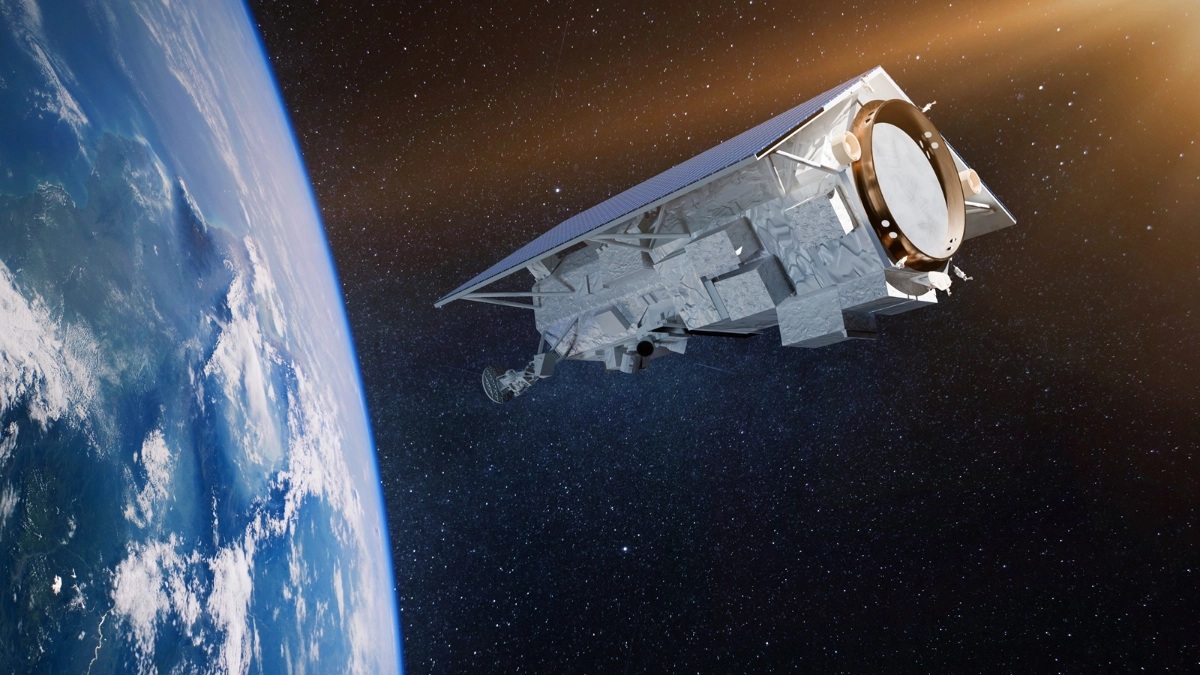
The Farnborough International Airshow 2026, returning from 20th to 24th July 2026, will be the largest and most ambitious event in its 78-year history, following record-breaking demand and the addition of a brand-new sixth exhibition hall

Thales Alenia Space signs with OHB for LISA propulsion subsystem

Space

Thales Alenia Space signs with OHB for LISA propulsion subsystem

22 January 2026

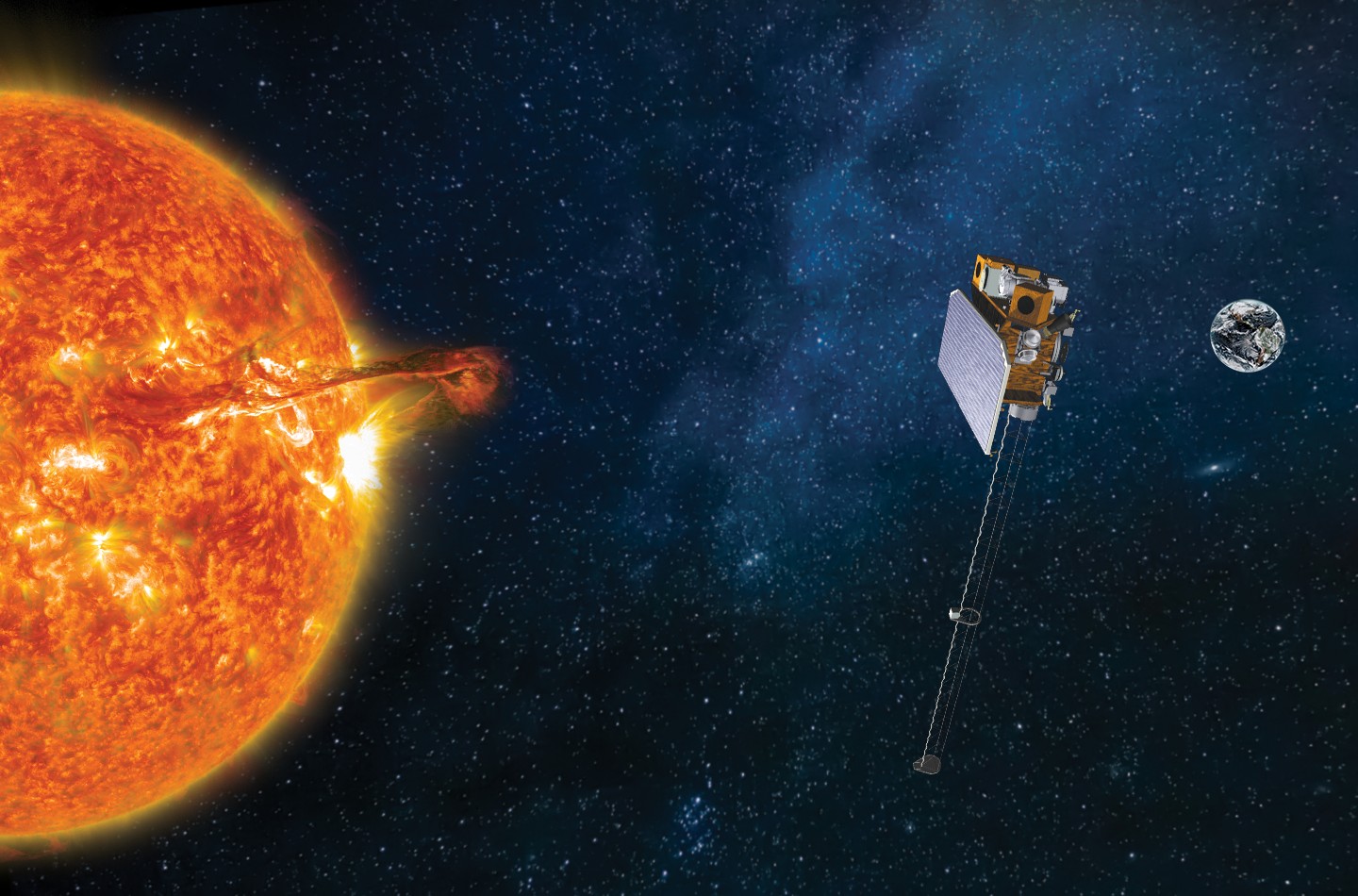
Thales Alenia Space, the joint venture between Thales (67%) and Leonardo (33%), has signed a €16.5 million contract with prime contractor OHB System AG to provide the Propulsion Subsystem for European Space Agency's LISA- mission

Study reveals potential role of biofilms on health in space

Space

Study reveals potential role of biofilms on health in space

22 January 2026

A new Perspective article published in npj Biofilms and Microbiomes sets out a path to uncover the role of biofilms in health during long-duration spaceflight and how spaceflight research can reshape our understanding of these microbial communities on Earth.

SatVu appoints Scott Herman as CTO

Defence Security Space

SatVu appoints Scott Herman as CTO

22 January 2026

UK based high resolution thermal intelligence company SatVu, that reveals operational activity and infrastructure performance from space, today announced the appointment of Scott Herman as Chief Technology Officer (CTO).

Advertisement
Security & Policing Rectangle
Teledyne detectors launched on NASA’s BlackCAT

Space

Teledyne detectors launched on NASA’s BlackCAT

21 January 2026

Teledyne Technologies' Space Imaging division has deployed its Speedster HyViSI (Hybrid Visible Silicon Imager) Focal Plane Arrays (FPAs) aboard NASA’s BlackCAT CubeSat Mission.

Westcott Space Hub opens to boost UK space innovation

Space

Westcott Space Hub opens to boost UK space innovation

20 January 2026

A new £20 million space innovation hub has officially opened in Buckinghamshire, supported by UK Space Agency funding, providing cutting-edge facilities to help space businesses grow and creating up to 300 jobs.

Advertisement
ODU RT
Advertisement
General Atomics LB