

Inside the Royal Navy exercise bringing more than 30 ships and aircraft to UK waters


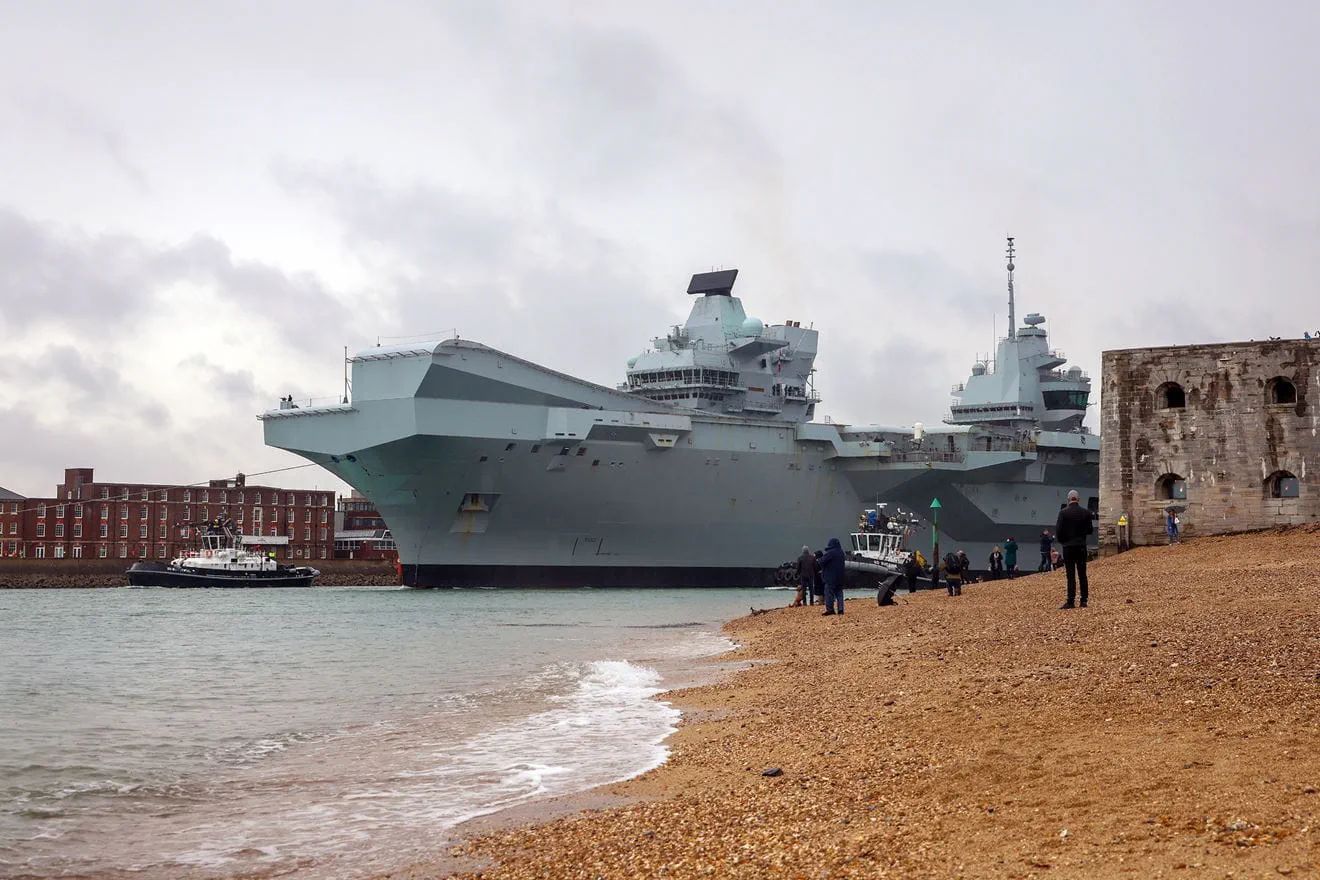
HMS Queen Elizabeth has arrived on the Clyde as the Royal Navy prepares for a major exercise involving more than 30 ships and aircraft around the UK.
The 65,000-tonne aircraft carrier arrived at Glen Mallan on Loch Long on 17 September for a short logistics stop, days before Exercise Strike Warrior 26 begins.
The carrier is at sea for an autumn programme of advanced naval training that overlaps with the exercise and is intended to prepare the ship for its new NATO command role.
Royal Navy spokesperson Commander Adrian Visram told the UK Defence Journal that the carrier was “currently in Glenmallan completing a short logistics and engagement stop before continuing on operations.”
What is Exercise Strike Warrior 26?
The Ministry of Defence has announced Exercise Strike Warrior 26 will begin on 21 September and run until 9 October.
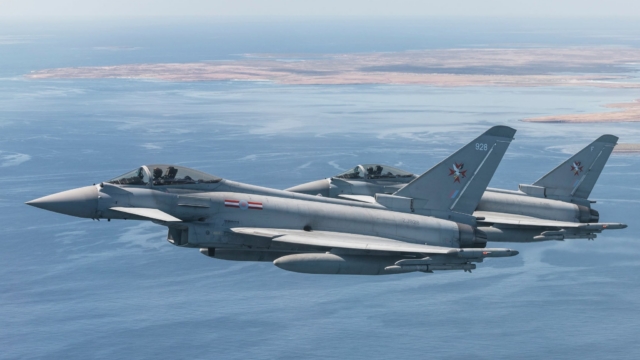
The Royal Navy’s official exercise notice says Strike Warrior will take place “in waters to the north and east of the UK” and involve “in excess of thirty ships and aircraft.”
The UK Civil Aviation Authority has also issued airspace coordination notices for Strike Warrior 26-2, reflecting the scale of the associated military aviation activity.
Strike Warrior will test naval forces against demanding threats aiming to improve their ability to operate alongside other UK forces and NATO allies.
Previous editions have included air defence, anti-submarine warfare, live weapons training and operations alongside NATO warships.
During Strike Warrior 21, for example, the Royal Navy assembled 20 warships, three submarines and 150 aircraft from 10 nations. HMS Queen Elizabeth and its F-35B fighters were at the centre of the exercise ahead of the carrier’s first operational deployment.
HMS Queen Elizabeth prepares for NATO exercises
The Royal Navy has not yet publicly named HMS Queen Elizabeth as a Strike Warrior 26 participant. However, her movements and training programme closely coincide with the exercise.
The carrier left Portsmouth in early September for three months of operations and training around the UK and Northern Europe.
The Royal Navy said Queen Elizabeth would undertake advanced training under Flag Officer Sea Training across “the full spectrum of modern naval warfare”.
It will also rehearse how an Allied naval force would operate during a crisis.
The Navy said: “The training programme will continue into next year, including participation in major NATO exercises.”
The programme will prepare Queen Elizabeth for both its NATO responsibilities and its eventual return to the UK’s high-readiness carrier role.
In July, the Royal Navy took command of NATO’s Allied Reaction Force (Maritime) for 12 months.
Queen Elizabeth serves as the force’s Afloat Command Platform. Rear Admiral Mark Anderson and his battle staff can use the carrier to command NATO maritime forces if the Allied Reaction Force is activated during a crisis.
It is the first time either Queen Elizabeth-class carrier has performed the role.
“Sailing this autumn is a key milestone for both our NATO commitment, as the Afloat Command Platform and also on our journey back to the Royal Navy’s ‘very high readiness’ aircraft carrier, a duty we will resume from our sister ship HMS Prince of Wales in 2027,” said Captain Claire Thompson, Queen Elizabeth’s commanding officer, before the carrier sailed. “Sailing with an embarked battle staff, integration and training is essential whilst relearning the skills required to conduct safe and effective aviation as we ensure that we are prepared to deliver operational activity at the heart of NATO should it be required.”
Why HMS Queen Elizabeth stopped at Glen Mallan
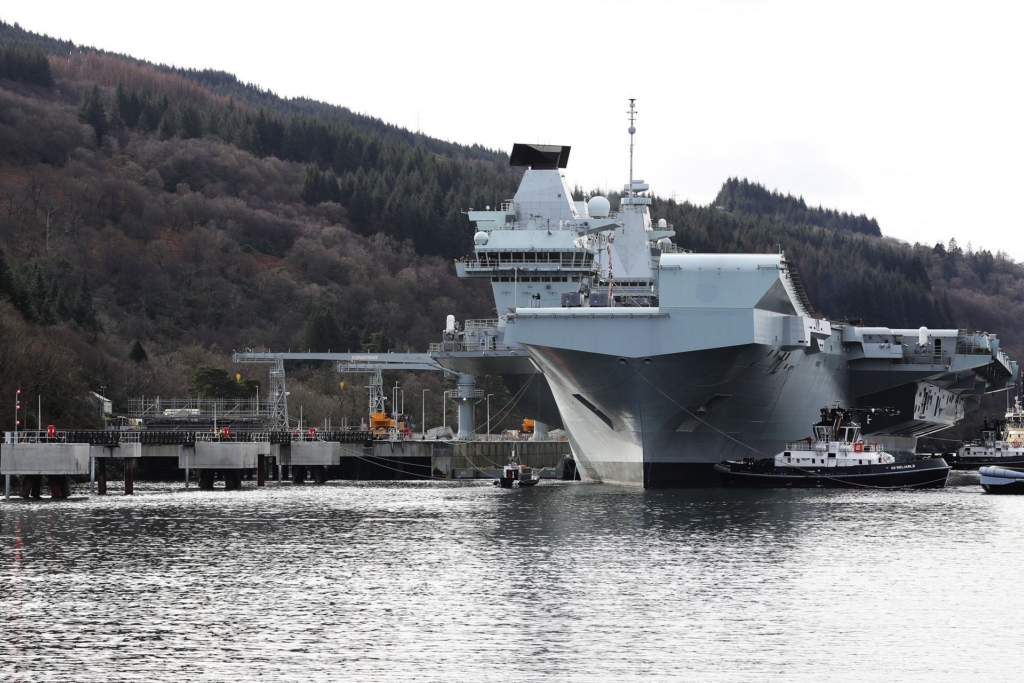
Glen Mallan on Loch Long is one of the key logistics facilities supporting Britain’s aircraft carriers.
Its Northern Ammunition Jetty underwent a £67 million rebuild, specifically designed to accommodate the Queen Elizabeth-class ships. The 135-metre facility allows ammunition stored at nearby Defence Munitions Glen Douglas to be transferred to Royal Navy warships.
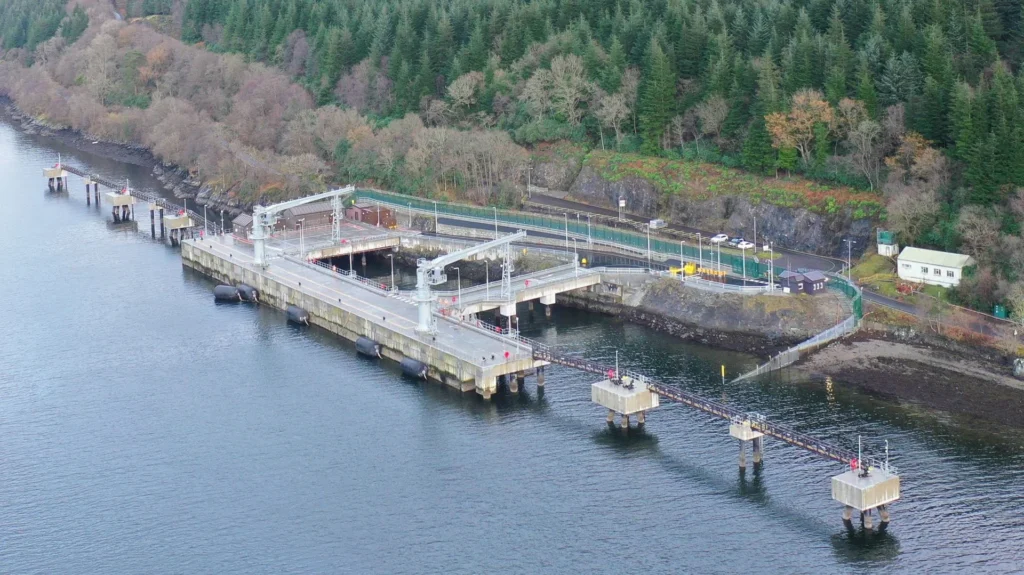
Queen Elizabeth first used the rebuilt jetty in 2021 as it prepared for its inaugural Carrier Strike Group deployment.
The carrier returned to the fleet in May after extensive engineering work at Rosyth. Its autumn deployment will now rebuild the carrier’s ability to conduct complex aviation and command operations while preparing its crew for its NATO responsibilities.
Sign up for our newsletter and get our latest content in your inbox.
Similar Reads



Sign up for our newsletter. Select all sectors relevant to you.
Related