Teledyne e2v Space Imaging launches recruitment drive
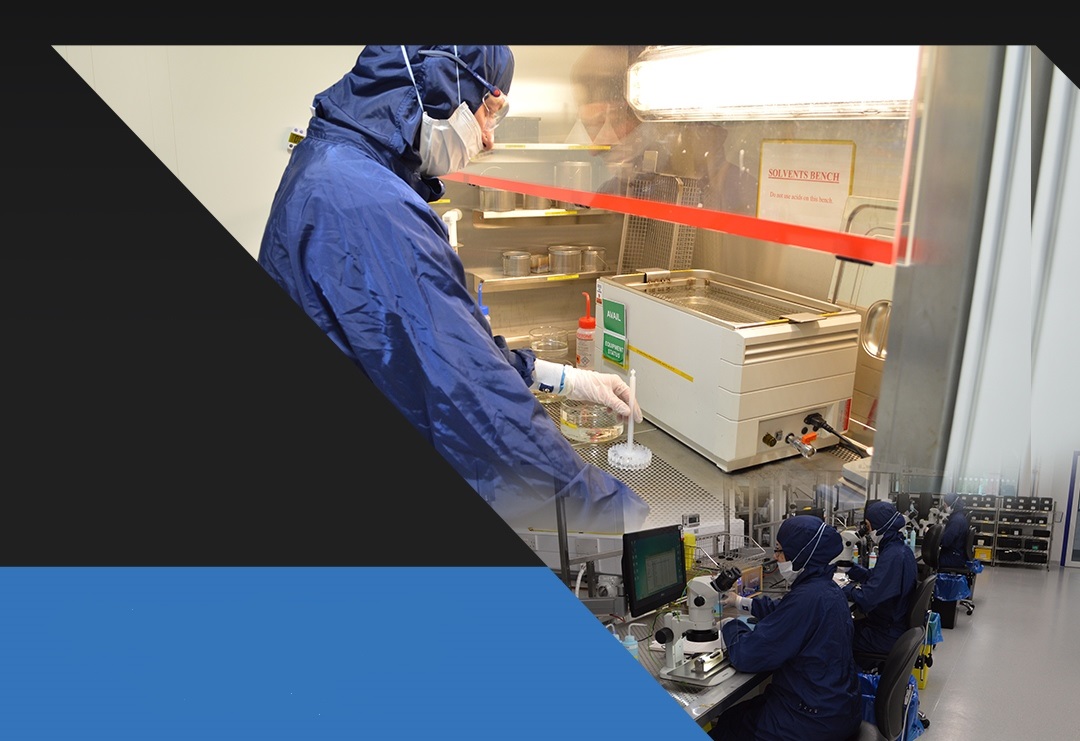
Image Teledyne e2v
With developments in the space sector taking centre-stage and the growing interest in space missions, the UK space sector has grown by a massive £1 billion, driving new businesses and creating new jobs.
The UK is fast becoming known as a world-class hub for satellite manufacturing, technology and scientific expertise. Small but ambitious aerospace companies all over the country – and further afield – are now working independently of the larger national space agencies and making real strides in what has traditionally been a very difficult sector to break into.

Teledyne e2v Space Imaging, part of the Teledyne Technologies, is one such company. Based in Chelmsford in Essex, the 200-strong team works to design, test and manufacture highly advanced space imaging devices. Although its design centre is in the UK, the company’s reach is global and goes beyond the imaging domain, it has given rise to the need to recruit increasingly large numbers of talented specialists from around the world.
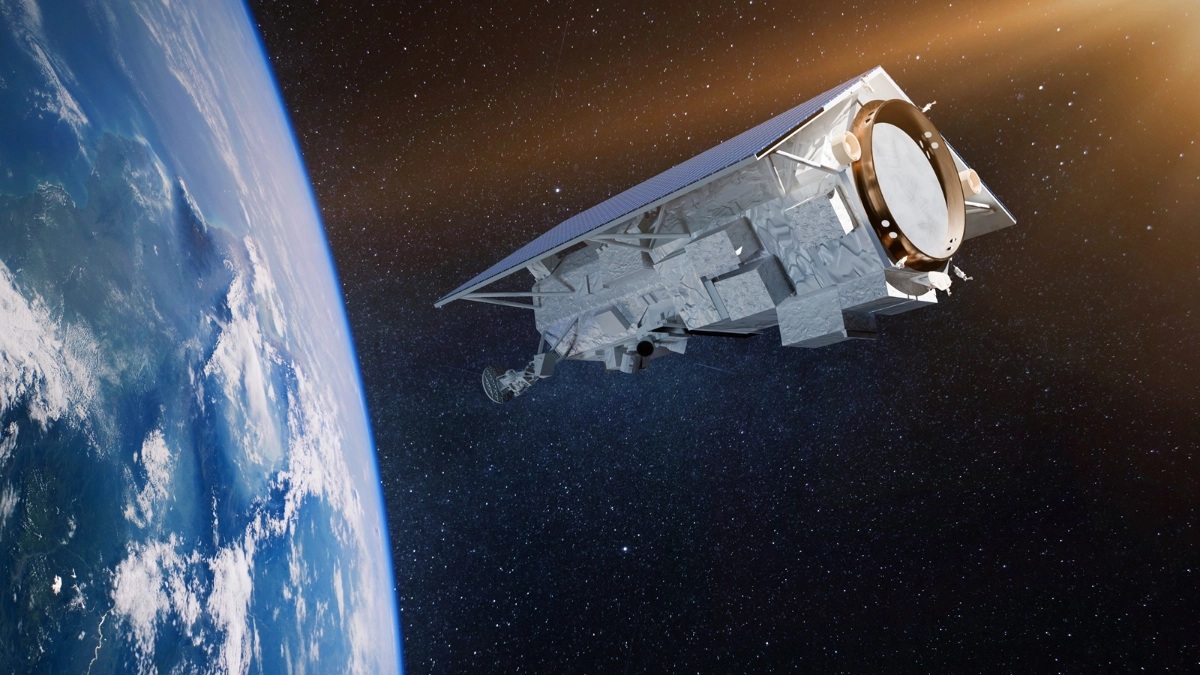
Key applications for the specialist CMOS and CCD imaging sensors designed by Teledyne e2v Space Imaging include data collection for Earth Observation, space telescopes for exploration of our universe, ground astronomy and scientific research. The technologies are developed to suit applications in ranges from x-ray through to visible and shortwave infrared, using a number of various technology platforms that match the needs of the space missions as well as ground-based applications and sciences.
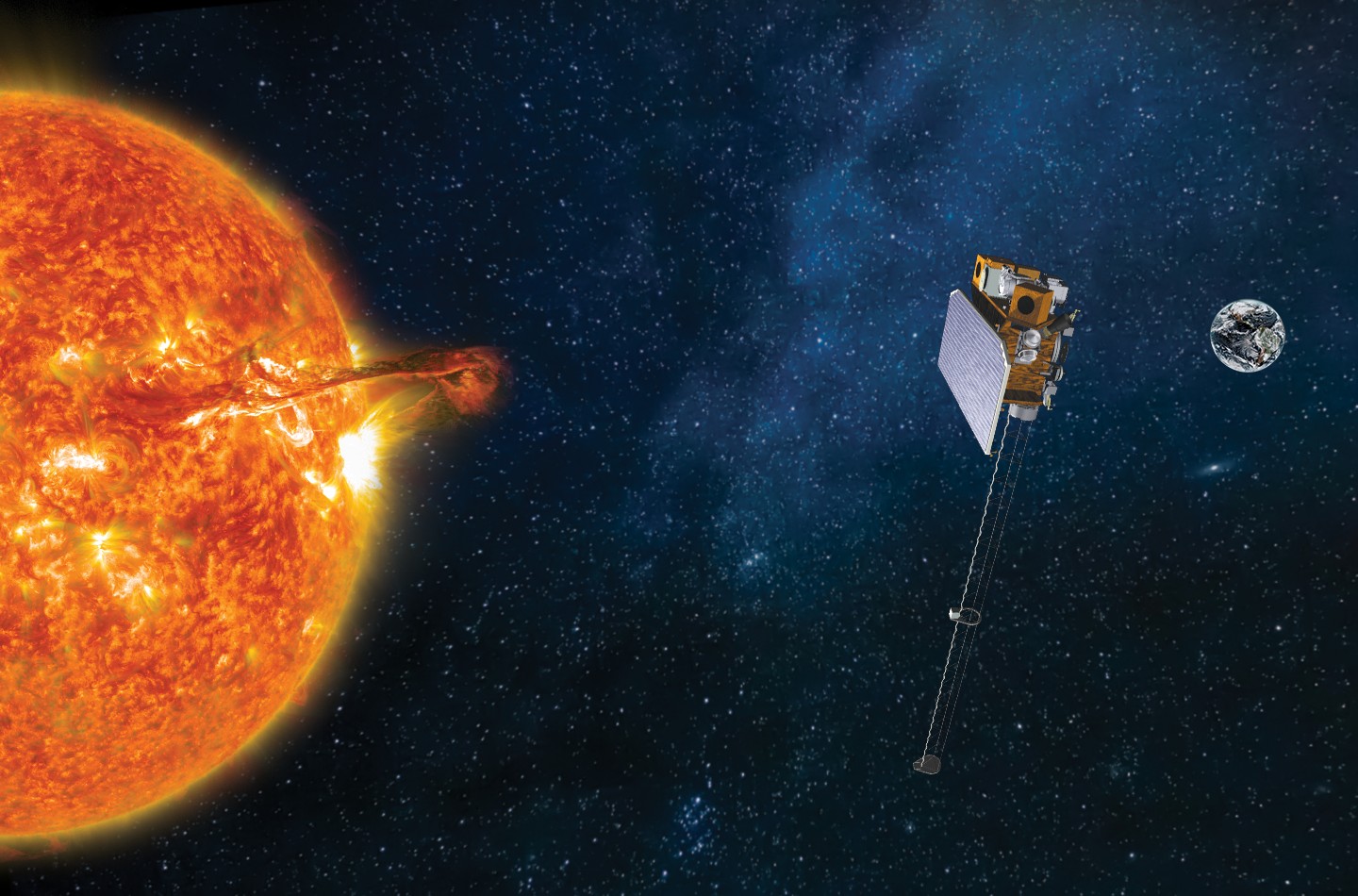
Whilst the sensor developed by the company is physically small in comparison to the rest of the satellite, its impact is significant. In the past three months, Teledyne e2v sensors:
- Launched on the JUICE mission to map the icy moons of Jupiter
- Delivered the first CMOS images from MTG-I1 taking weather forecasting to ‘nowcasting’
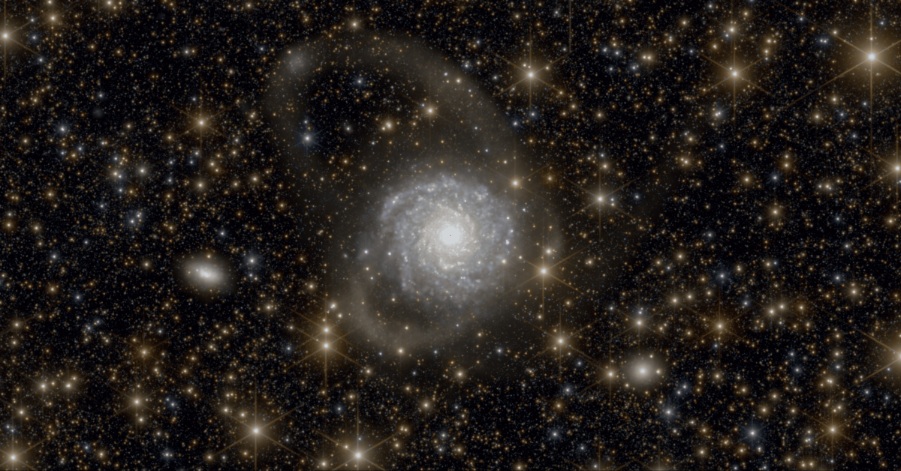
- Launched on Euclid to map the dark energy in our Universe
The company works with its customers to design bespoke solutions that meet their needs for high sensitivity, low noise, durability in hostile conditions and high speed. The design teams are also looking into increasing Teledyne e2v Space Imaging’s product offering around electronics and camera solutions designed specifically for commercial space.
Vacancies now available
All of this requires additional resources, meaning that vacancies are available right now, with plans for several more in the not-too-distant future already in the pipeline. Chief among these are opportunities for engineers and physicists; however, there is also a huge appetite to attract specialists from across all divisions of the commercial, space industry.
According to Daniel Waller, General Manager at Teledyne e2v Space Imaging: “The space sector is on a growth trajectory and so are we. We have transformed from being just a component supplier to a trusted partner who develops and designs solutions for both large primes and start-ups. All of this means that we are actively seeking talented people to join us on our exciting journey towards even greater expansion and growth.”
The company is hosting a Recruitment Evening at its site in Chelmsford on 11th July, 4.30-7.30. This is an opportunity to gain an insight into the business and speak to the team there about careers in Space.
Another upcoming event, where Teledyne e2v Space Imaging will have a strong presence, is the Royal Aeronautical Institute’s Autumn recruitment fair, taking place in the UK in November 2023.
The recruitment drive is not aimed solely at engineers. The company is looking for designers, manufacturers, R&D experts, risk assessors and imaging experts to help create a cohesive, ambitious global team that will take the company to the next level in commercial space achievement and market share.