UK and Australia conclude first AUKMIN since pandemic
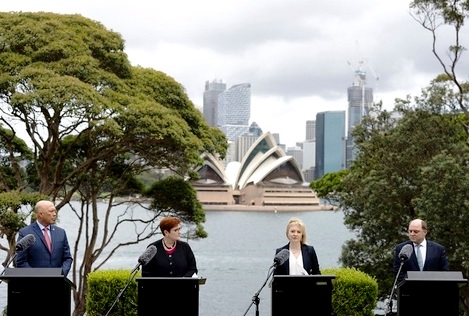
Above:
Australian Minister for Foreign Affairs Marise Payne and Minister for Defence Peter Dutton host the Foreign Secretary Liz Truss and Defence Secretary Ben Wallace at AUKMIN.
Courtesy Ministry of Defence / Foreign, Commonwealth & Development Office
Discussions focused on key geopolitical challenges, including concerns around the situation in Ukraine. Ministers agreed on the vital need to defend freedom in the face of Russia’s growing aggression and underpinned their steadfast solidarity with Ukraine.

The ministers agreed to step up collaboration to deter malign threats, promote positive critical technology standards and to support the development of quality infrastructure and standards.
They reiterated their commitment to supporting countries in the Indo-Pacific to strengthen their resilience, security and sovereignty.
Foreign Secretary, Liz Truss said: "With the world facing increasing aggression from malign actors, it is vital that the UK strengthens and deepens our partnerships with our closest allies.
"Today we have committed to new and enhanced opportunities to collaborate with Australia in areas including maritime security, counterterrorism, misinformation, cyber and technology.
"Alliances between freedom loving democracies like the UK and Australia are essential if we are to win the battle of ideas."
During her visit to Australia, Foreign Secretary Liz Truss agreed a new Cyber and Critical Technology Partnership with Australia’s Foreign Minister Marise Payne, to strengthen global technology supply chains, ensure the UK’s positive technology vision and tackle malign actors who disrupt cyber-space.
The new agreement includes provisions to build greater resilience to ransomware amongst Indo-Pacific nations and sharpen legal sanctions against cyber attackers. It will also deepen practical co-operation on ensuring technology standards reflect our shared values.
Foreign Secretary, Liz Truss said: "As champions of freedom and democracy, the UK and Australia are hard-headed in defending our values and challenging unfair practices and malign acts.
"In the battlegrounds of the future, cutting edge technologies will be crucial in the fight against malign cyber actors who threaten our peace and security.
"That’s why the UK and Australia have agreed a new cyber and technology partnership to ensure that liberal democracies shape the technology rules of tomorrow."
The agreement will also support development of a network of liberty that will deter cyber attacks before they happen and call out malign actors who perpetrate the acts.
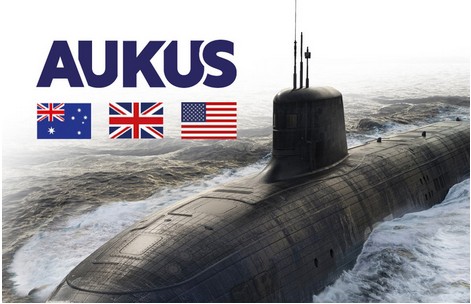
Discussions also reflected on the progress that has been made to date on AUKUS – the two countries' landmark partnership to strengthen mutual security and defence interests alongside their US allies.
Defence Secretary Ben Wallace said: "Britain and Australia share one of the oldest and strongest defence and security alliances.
"Operating and exercising side by side, we continue to work together to promote stability, and tackle our shared threats with our like-minded ally, head on.
"This week, I have met with my friend and close Defence counterpart Peter Dutton to discuss our cooperation across the Indo-Pacific through AUKUS – the trilateral UK, Australia and US security partnership which will see us collaborating on world leading technologies including nuclear powered submarines."
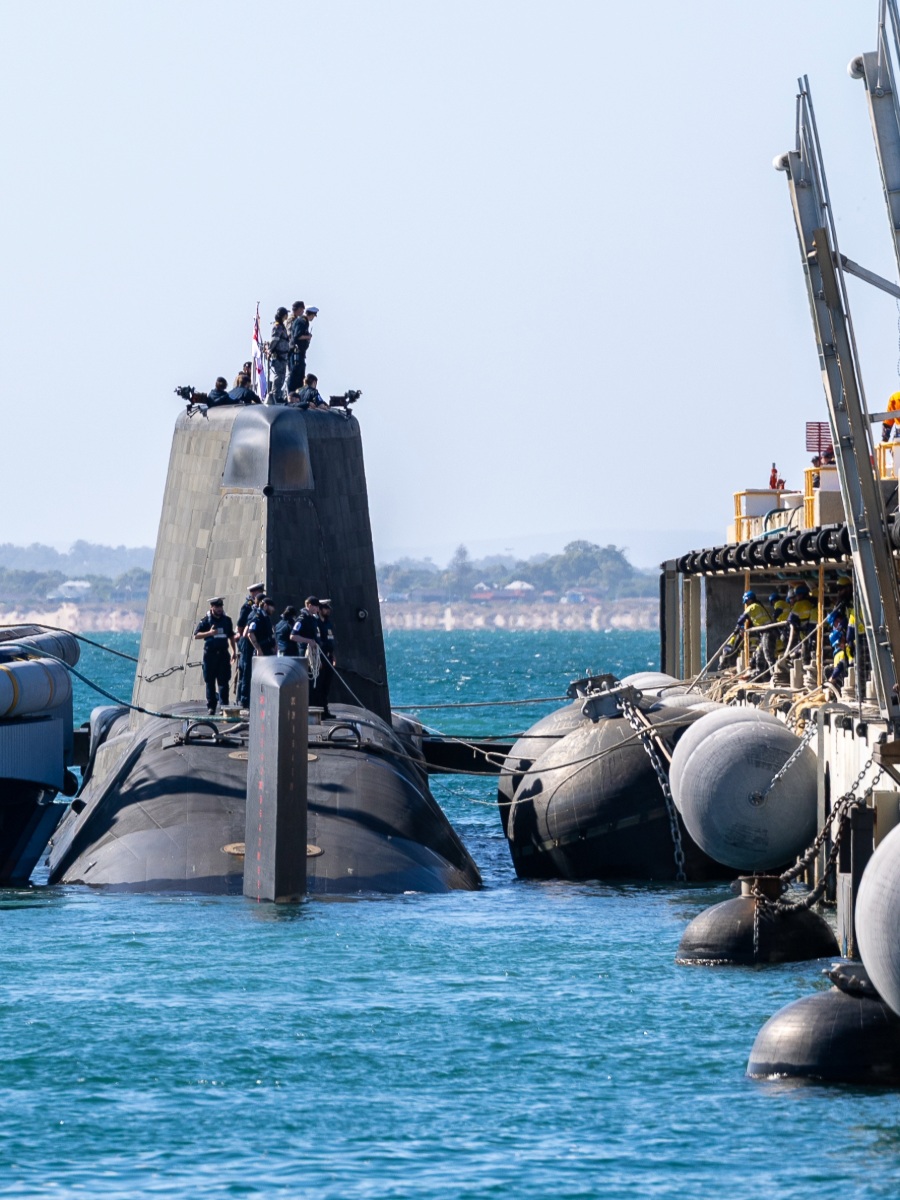
The AUKUS partnership seeks to deliver a nuclear-powered submarine capability to the Royal Australian Navy. The UK has built and operated world-class nuclear-powered submarine capability for more than 60 years and we bring deep expertise and experience to this partnership.