UK built nanosatellites ready for take off

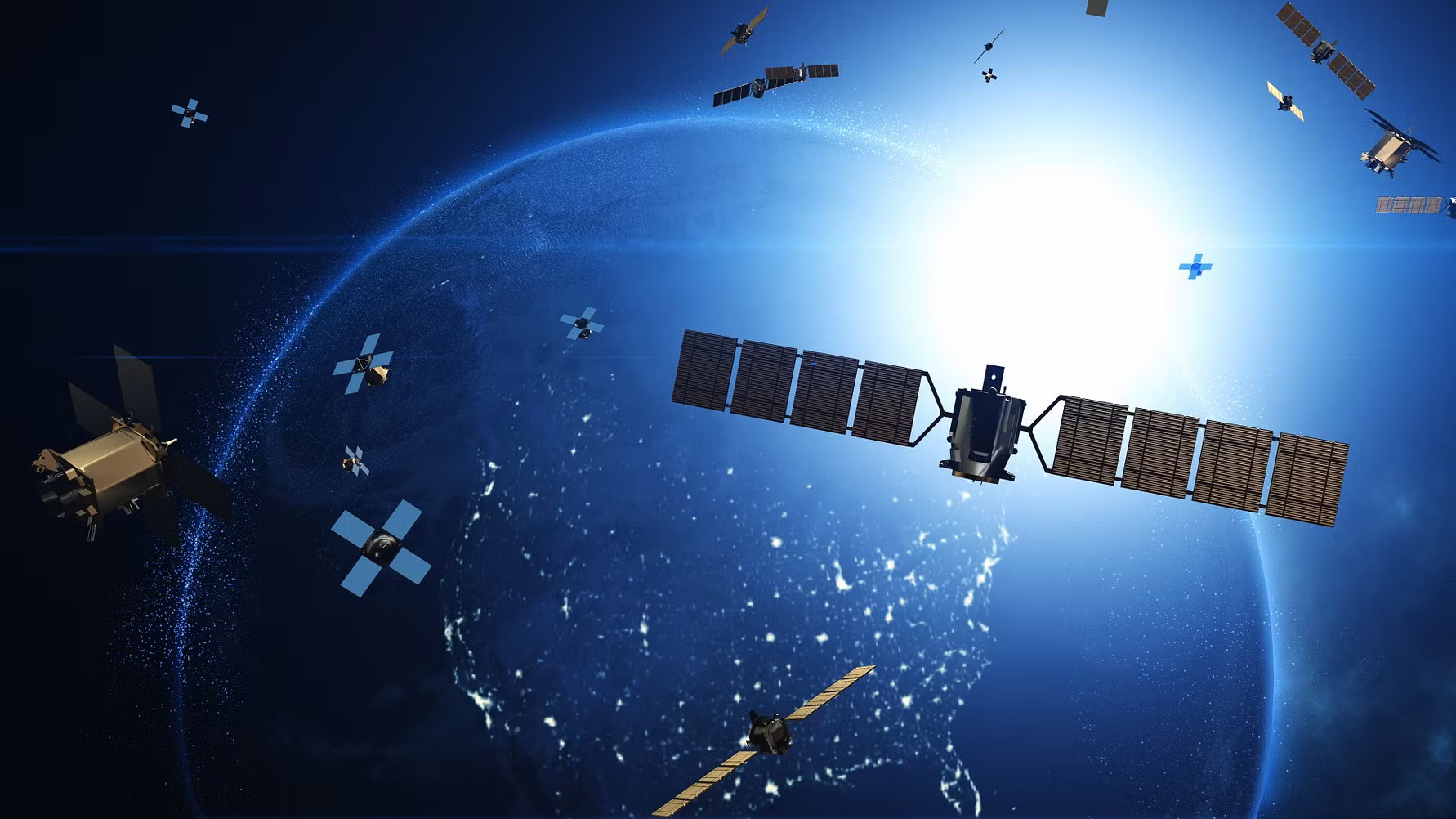
Image Dotted Yeti / Copyright Shutterstock
Two of four nanosatellites, made by Spire Global UK and backed by over £6 million of Government investment, will take off on the Russian Soyuz launcher on 24th September. The other two nanosatellites will be aboard an Indian PSLV launcher, due for launch on 1st November.

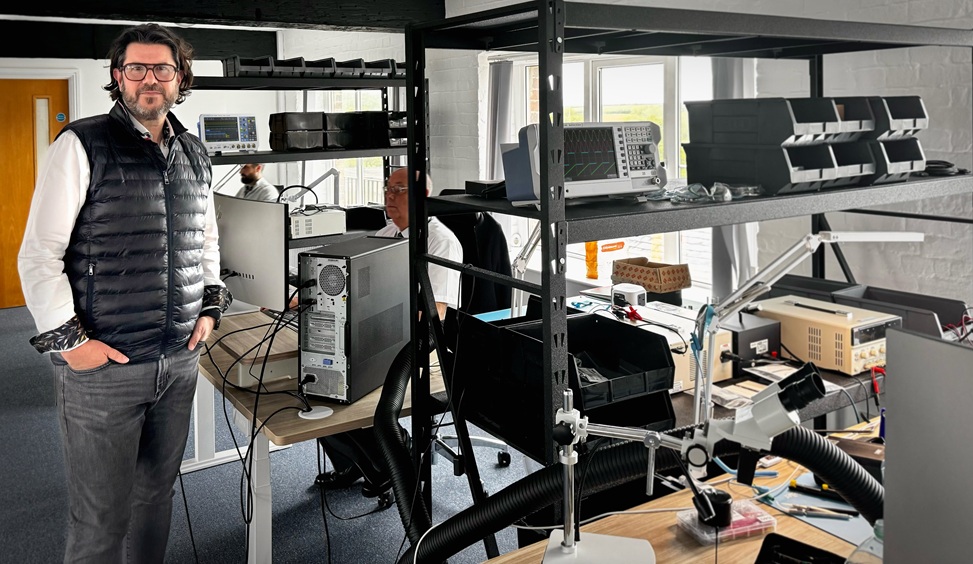
The Spire nanosatellites have onboard intelligent machine-learning algorithms that can predict the locations of boats, track their whereabouts and their estimated arrival times at ports, allowing port businesses and authorities to manage busy docks safely. Spire staff design and build all the sub-systems and integrate and test the whole spacecraft in the company’s Glasgow headquarters.
Like mobile phones, satellites are also getting smaller and smarter and nanosatellites are roughly the size of a shoe box. Despite their size, they can do almost everything a conventional satellite does.
Graham Turnock, Chief Executive of the UK Space Agency, said: "Nanosatellites weigh less than a piece of cabin luggage, but are enormously powerful in what they can do. These four Spire satellites are aimed at making trade hyper-accurate, with technology that makes business more cost effective and efficient.
"Scotland’s space sector is booming. Our membership of ESA is benefiting companies across the UK, and we are committed to supporting the space economy in every region."
Spire Global UK is a satellite-powered data company that provides predictive analysis or global shipping, aviation and weather forecasting.
These services have been developed under an ESA Pioneer programme, which is a partnership project co-funded by the UK Space Agency.
Peter Platzer, chief executive and co-founder of Spire Global said: "Spire is all about helping our customers know what is next, so they can make better decisions. This month we are moving this forward by launching a true super-computer into orbit – 1-2 teraflops! – so that we can analyse data right in orbit, using smart algorithms and machine learning.
"This will allow us to get better, smarter and faster analytics to our customers for their business decisions."
Despite the coronavirus pandemic, work has progressed with full support from the UK Space Agency who, working with the European Space Agency, have extended exceptional financial support to small and medium-sized enterprises working in the space industry.
Elodie Viau, Director of Telecommunications and Integrated Applications at ESA, said: "These are yet another example of innovative services provided by Spire under the ESA Pioneer programme that maximises benefits to industry thanks to an efficient co-management approach tailored to commercial best practices."
ESA’s Pioneer programme is one of the partnership projects that is aimed at de-risking partners’ investments, answering market needs. It is part of ESA’s programme of Advanced Research in Telecommunication Systems (ARTES).
Pioneer supports the emergence of commercial European entities with the ability to offer fast and affordable access to space to public and private customers in the field of satellite telecommunications.
The programme creates new opportunities for both established and new players in the fast-changing and competitive satellite communications market.