UK government plan to save 38 million hours of police time
Image courtesy Home Office
In its response to the Policing Productivity Review, commissioned by the Home Office and published last autumn, the government has set out how £230 million will be spent over the next four years on new technology, such as live facial recognition and drones that will be used as first responders to meet the recommendations made by the independent Policing Productivity Team.

Previously announced in the spring budget, this investment will go towards innovation such as knife detection and artificial intelligence, including automatic redaction and translation, and will enable police to spend less time in the office, and more time in our communities.
The government will also be creating a new Centre for Police Productivity to provide the foundation for future improvements across policing. The centre will be integral to devising and implementing the further work raised in the review that could save the equivalent of an additional 20,000 police officers’ worth of time.
The productivity review also recommended many initiatives that the government has already started implementing, including the expansion of facial recognition, with £55.5 million committed to its rollout across the country over the next 4 years. This will include at least £4 million for bespoke mobile units that can be deployed in crowded areas to identify people wanted by the police.
The expansion of Right Care, Right Person, which sees those experiencing a mental health crisis receiving the most appropriate treatment in the right environment by health and social care professionals, could save up to a million police hours a year.
If just 500,000 officer hours were saved, the review estimates that officers in England could attend an additional 250,000 incidents of domestic abuse or over 300,000 burglaries.
Policing Minister Chris Philp said: "It is critical that our police officers are out on our streets, stopping criminals and supporting the public, and we will continue in our plan to remove any barriers that keep them from this.
"I want to see cutting edge innovation ingrained in our policing, and the new Centre for Police Productivity and our reforms to cut red tape will remove the bureaucracy that holds officers back.
"By investing millions in facial recognition, AI, and new knife detection technology, we will continue to give police the tools they need to rise to the challenge of modern policing."
The productivity review highlighted a range of work that can save police time and the government has already started on much of this in the past few years.
Last year, the government also signed the National Partnership Agreement with health authorities and the police that will see Right Care, Right Person implemented in all police forces in England. The approach will free up considerable amounts of police time to focus on keeping our communities safe. Created by Humberside Police and the NHS in 2019, it is now much easier for staff in police control rooms to identify the right agency to respond at the outset when dealing with calls about individuals experiencing a mental health crisis.
Changes have also been made to the Home Office Counting Rules, so all reported crimes for a single incident will now consistently be recorded under the ‘principal offence’, rather than as multiple entries on a database that effectively duplicates information. A core recommendation in the review, the National Police Chiefs’ Council report estimated that 443,000 officer hours can be saved by simplifying crime recording – freeing up time that could be better spent cutting crime and keeping our streets safe.
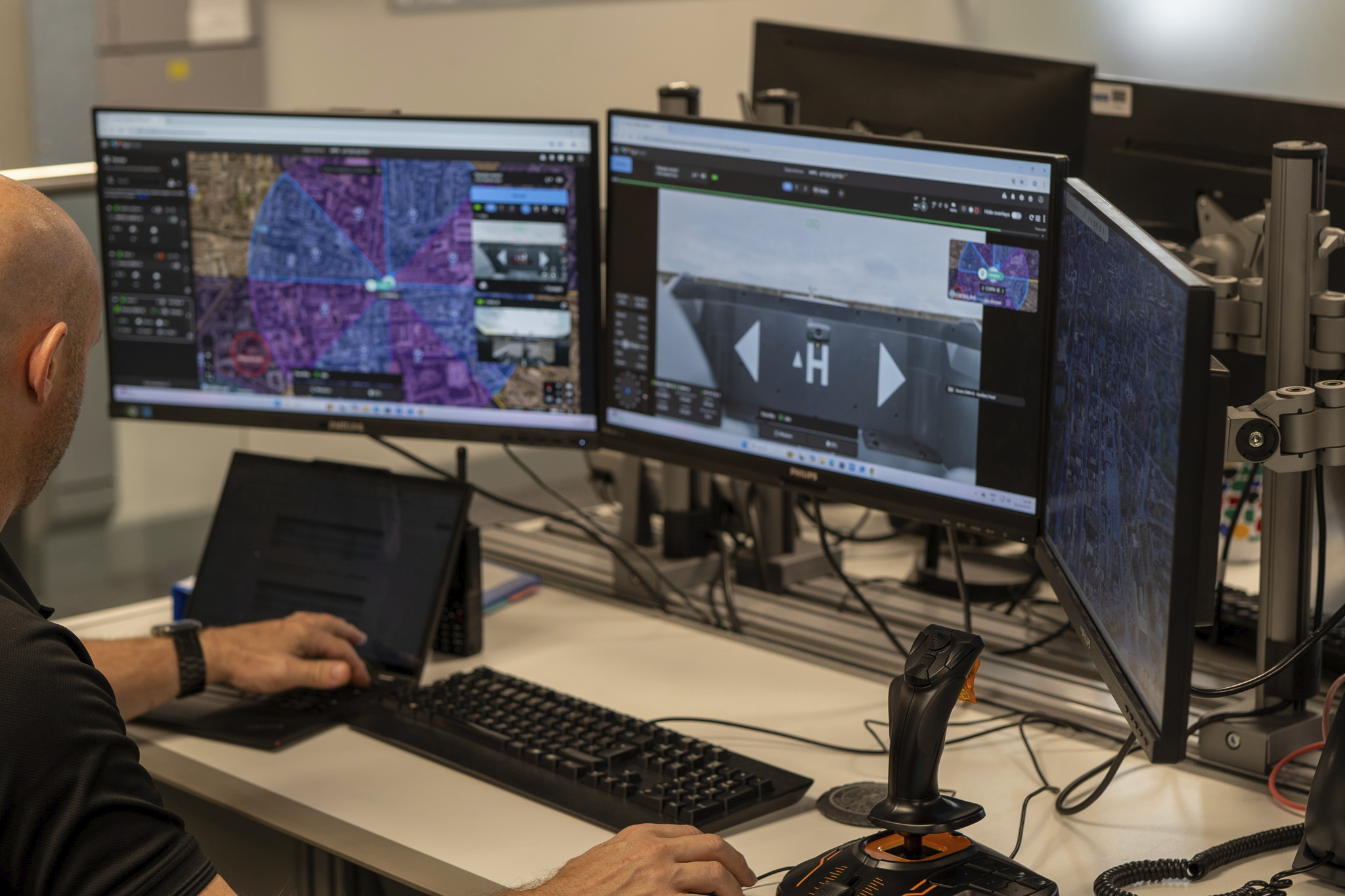
The government is also going beyond the productivity review’s recommendations with technologies, including investing in the piloting of drones as first responders. This will look at stationing ‘drones in a box’ in strategic locations for deployment to incidents prior to the arrival of emergency services, to provide support to front line policing and police operations by enabling enhanced response times, informed decisions prior to arriving on scene, and increased safety of the public and officers.