UK invests in ESA programmes

Courtesy UK Space Agency
The UK is one of the founding members of ESA, an inter-governmental organisation established in 1975 to promote cooperation in space research, technology and applications development. ESA is independent of the EU, bringing together countries across Europe and around the world.

Membership enables the UK to collaborate with space agencies across the world on projects like the International Space Station and the ExoMars programme to send a UK-built rover to search for signs of life on Mars.
The funding, confirmed today at the 2019 ESA Ministerial Council in Seville, Spain, is in line with the Space Innovation and Growth Strategy agreed between government and the UK space sector in 2010, to increase investment in ESA.
This investment will secure UK involvement in international space missions and the development of new technologies, including:
- Building the Lunar Gateway, a new space station orbiting the moon
- Returning the first samples from Mars
- New satellites to help us understand climate change
- An early warning system for solar storms
- Research in space technology to deliver high-speed mobile technology such as 5G and satellite broadband services around the world
- Removing space junk to prevent collisions in space
Business Secretary Andrea Leadsom said: "We are delighted to be making this investment in ESA today. From improving communication and connectivity, to helping us monitor the impact of climate change and protect our power grid, our membership of this international organisation will further our position as a space, innovation and climate superpower."
ADS Chief Executive Paul Everitt said: “The UK is home to a fast-growing space sector that benefits from our direct participation in ESA’s pan-European space programmes.
“The decision to increase the UK’s financial commitment to ESA during the next five years will generate and secure high-value jobs in this technologically advanced industry.
“The combination of sustained ESA investment and an active national space programme will ensure the UK remains at the cutting edge of new space technologies; generating economic and industrial opportunities for the long-term.”
The UK joined all ESA member states in supporting a 10% rise to the overall space science budget (UK share around £600m) to increase the number and ambition of space science missions. These include missions to use gravitational waves to study black holes and to intercept and study a comet in our solar system.
The combined international investment will fund the following international programmes (funding is committed in euros so all figures are subject to future foreign exchange rates (GBP/euro):
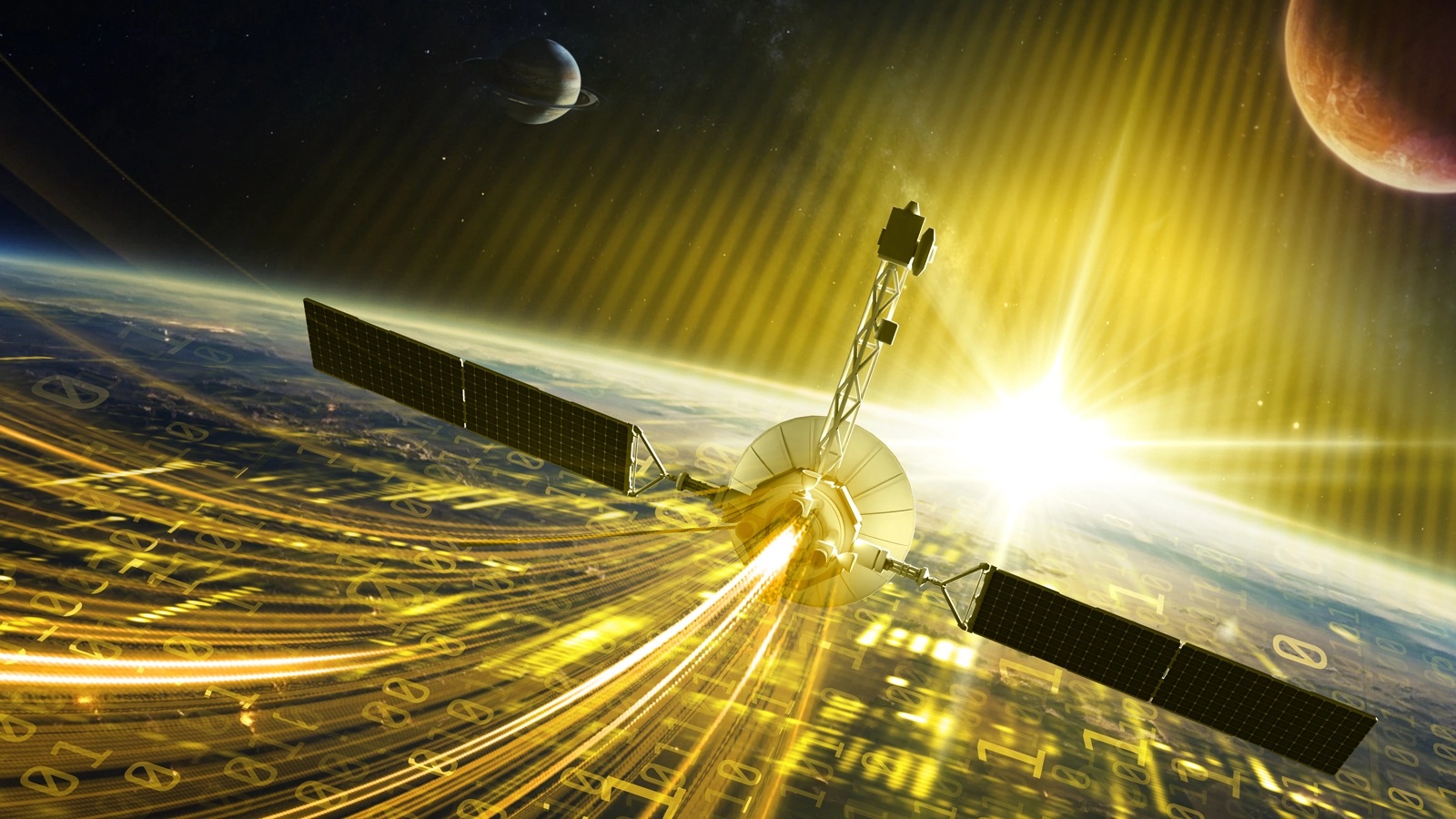
- £250m for ESA’s telecommunications programme, which could enable faster 5G connectivity through the development of new satellites
- £180m on the global exploration programme to bring back the first samples from Mars and support the US ambition to have a sustainable presence on the Moon through the Lunar Gateway and the lunar communications programme to support astronauts and robots on the moon
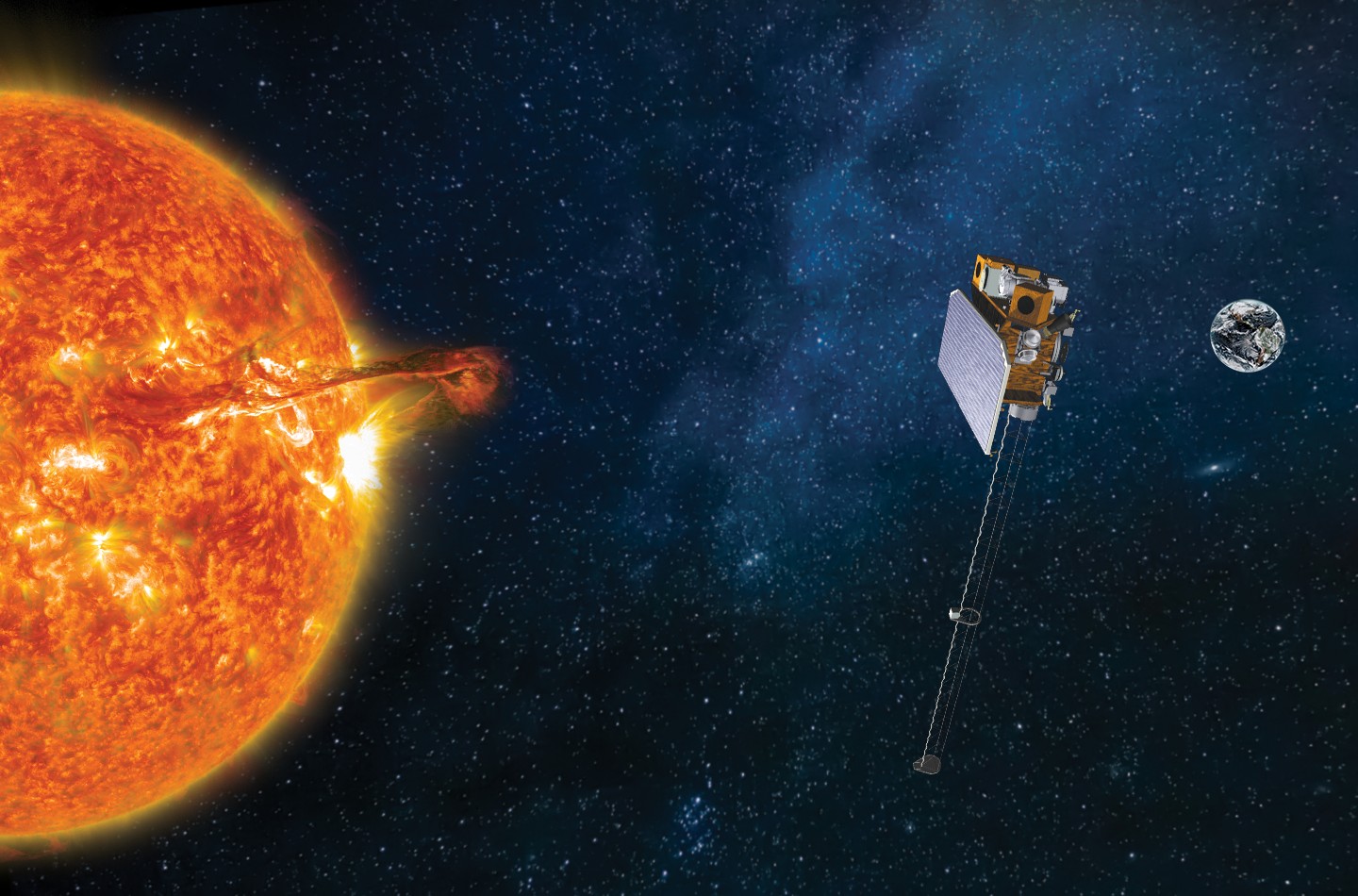
- £80m on space safety and security for a mission in partnership with the US to protect infrastructure in space and on Earth from space weather and to help remove space debris
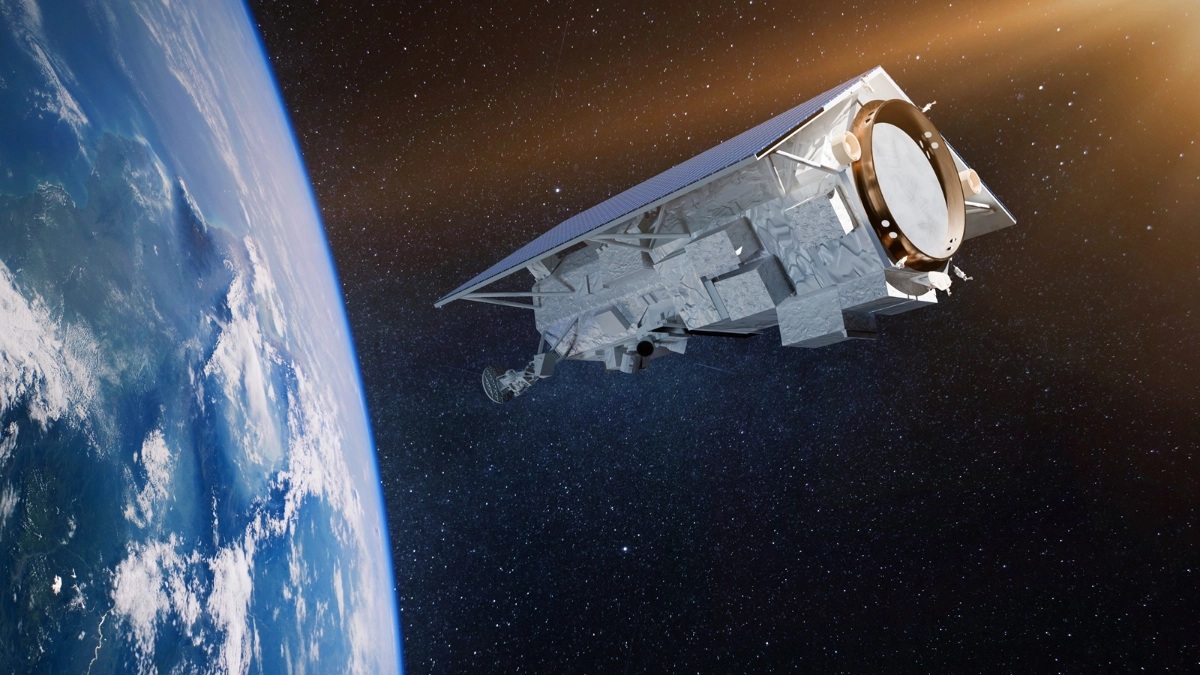
In Seville, the UK also committed over £200m investment in Earth Observation, including a UK-led TRUTHS mission to help tackle climate change and the ESA Copernicus Space Component, which runs to 2028.
Following investment from the UK and other member states, ESA has re-confirmed that all astronauts from the class of 2009, including Tim Peake, will return to the International Space Station before 2024. The timings will be confirmed by ESA in due course.
Additional investments include over £16m on satellite navigation innovation, £12m to support commercial spaceflight and over £30m to support space technology, including help for small businesses to take advantage of the space sector.
The UK is now spending an average of almost £95m per year to support telecommunications research and £80m per year to support Earth observation and climate science projects.