

UK launches new Military Intelligence Services

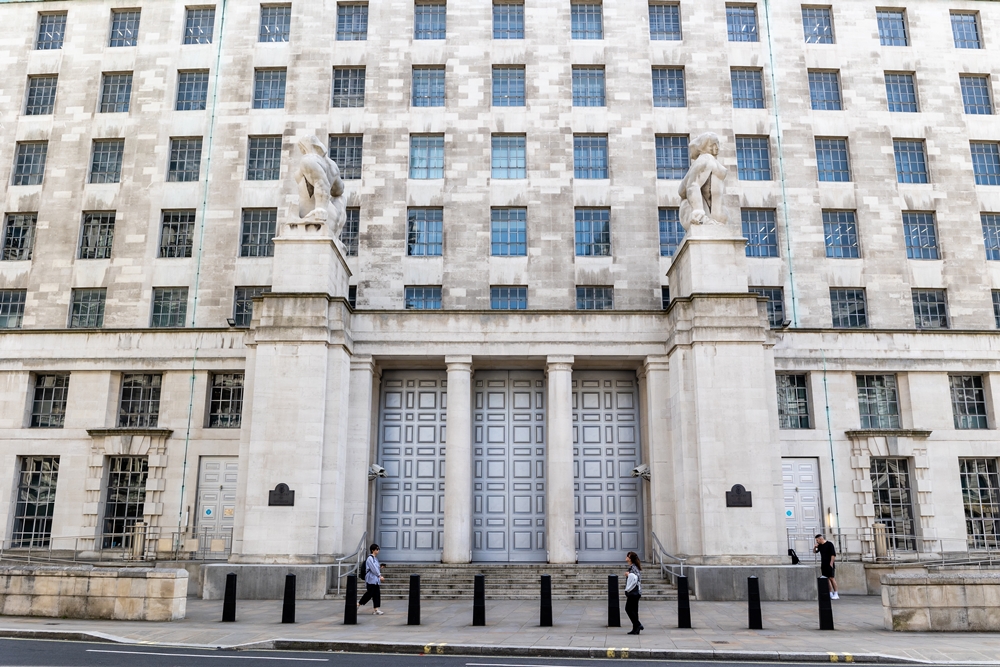
Image by eye matter / copyright Shutterstock
This major overhaul of Defence’s intelligence organisations comes amid increasing threats to the UK and will keep Britain ahead of hostile states and terrorists.
Following the recommendations in the Strategic Defence Review, the reforms bring every intelligence unit and organisation within Defence under one organisation for the first time, including units from the Royal Navy, British Army and Royal Air Force – speeding up how information is gathered, analysed and shared across the Armed Forces.
The announcement comes amid escalating threats to the UK, as adversaries intensify cyber-attacks, disrupt satellites, threaten global shipping lanes, and spread disinformation. These actions increasingly impact everyday life, driving up food prices, increasing economic uncertainty, and threatening energy security and national infrastructure.
To boost Defence’s resilience further, today also sees the launch of the new Defence Counter-Intelligence Unit (DCIU). Over the past year, hostile intelligence activity against the MOD has risen by more than 50%, revealing just how quickly our adversaries are intensifying their efforts.
The Minister for the Armed Forces Al Carns MP, and Minister for Veterans and People Louise Sandher-Jones MP, launched the MIS and DCIU at one of the UK’s key intelligence sites – Wyton in Cambridgeshire – which includes a football-pitch-sized intelligence fusion centre, bringing together top secret intelligence from across the Five Eyes partnership.
Defence Secretary, John Healey MP, said: "As threats increase, we are making defence intelligence smarter.
"This Government is delivering the recommendations in the Strategic Defence Review, putting Britain at the leading edge of military innovation. For intelligence, this means cutting-edge technology, clearer structures and faster data flows. This gives us sharper insights into what our adversaries might do next, so we protect our forces, safeguard critical infrastructure, and deter changing threats.
"Our intelligence work is usually unseen but always essential. I am grateful to all our Military Intelligence Services personnel whose round-the-clock vigilance keeps the UK secure at home and strong abroad."
The Military Intelligence Services bring together intelligence units from the Royal Navy, British Army, Royal Air Force, UK Space Command, and Permanent Joint Headquarters, ensuring they operate as one system.
Under the command of the Cyber and Specialist Operations Command, and the leadership of the Chief of Defence Intelligence, this will give Defence faster and clearer warnings of threats to our forces and the public, allowing the UK to use data from land, sea, air, space, and cyberspace in real time, sharpening the nation’s ability to deter adversaries before they act.
It will be supported by the new Defence Intelligence Academy who offer world-class training in key intelligence disciplines such as cyber, space and geospatial analysis.
General Sir Jim Hockenhull, Commander of the Cyber and Specialist Operations Command, said: "Intelligence sits at the heart of defence. Underpinning everything we do, it provides the insight and foresight we need and enables our operations.
"In an increasingly complex and volatile world where threats are always evolving, our intelligence operations are always on, 24 hours a day, seven days a week.
"The establishment of the Military Intelligence Services and the Defence Counter-Intelligence Unit are significant steps forward in strengthening the UK’s ability to anticipate threats, enabling faster and more precise action, supporting our Armed Forces, and protecting our citizens."
The Dawn Sturgess Inquiry, published last week, made clear that foreign intelligence services are now operating far beyond traditional espionage norms, targeting Defence personnel, technology programmes, supply chains, and wider defence industry both at home and overseas.
The Defence Counter-Intelligence Unit will unify counter-intelligence professionals from across Defence, giving them the tools and structure needed to disrupt and deter hostile activity more effectively.
Their work will protect the UK’s most sensitive capabilities – including the nuclear deterrent, high-tech industrial projects, and critical infrastructure – while strengthening cooperation with the UK intelligence agencies and NATO allies.
Earlier this year, the Prime Minister made a historic commitment to spend 5% of GDP on national security from 2035, alongside the largest sustained increase in defence spending since the end of the Cold War – hitting 2.6% of GDP by 2027 – and an extra £5 billion for defence this year alone.
Sign up for our newsletter and get our latest content in your inbox.
Similar Reads



Sign up for our newsletter. Select all sectors relevant to you.
Related