UK MOD accelerates low-cost drone turbojet development with Alloyed


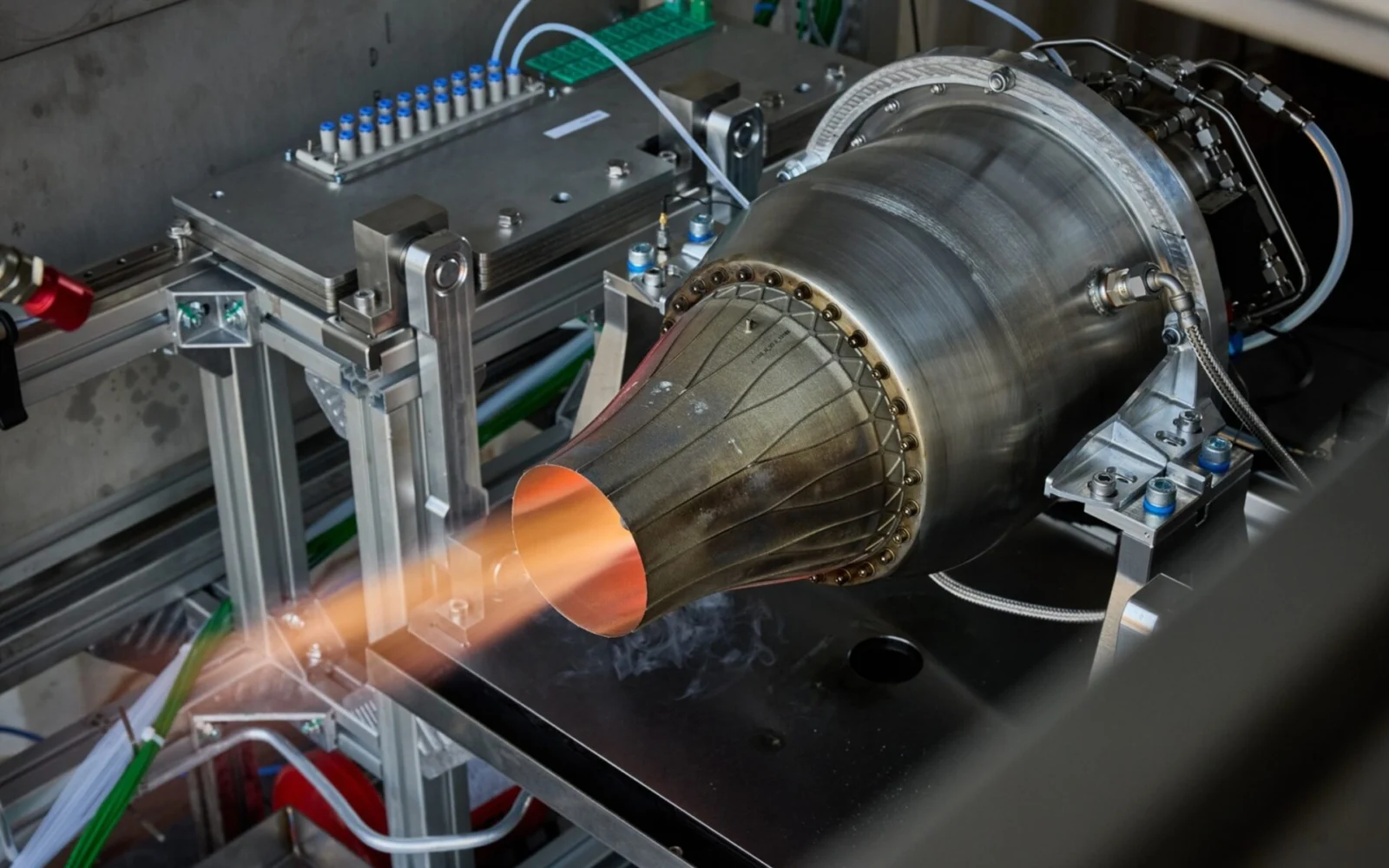
A new UK-developed turbojet engine has progressed from concept to flight-ready status in less than seven months.
The UK Ministry of Defence (MOD) and Oxford-based technology start-up, Alloyed, announced the achievement on 15 September, highlighting a new approach to developing propulsion systems for drones and other uncrewed or autonomous systems.
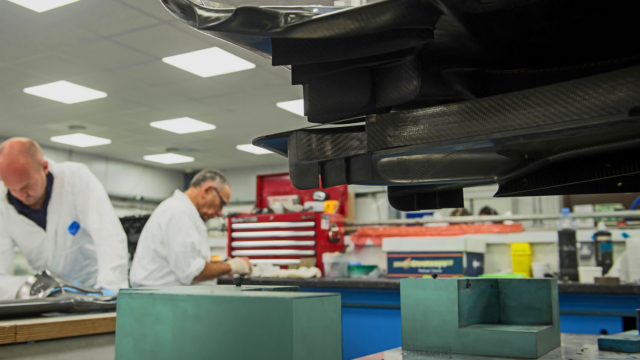
By combining digital engineering, additive manufacturing and UK-based defence-industrial capabilities, the programme has significantly compressed the traditional engine development cycle.
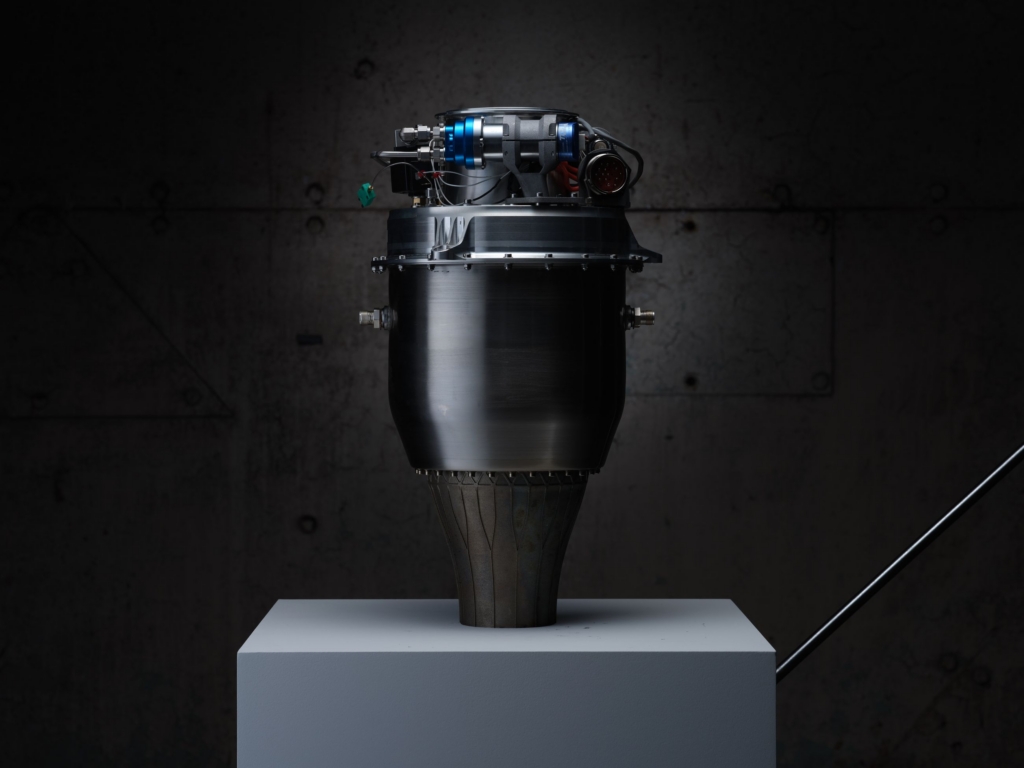
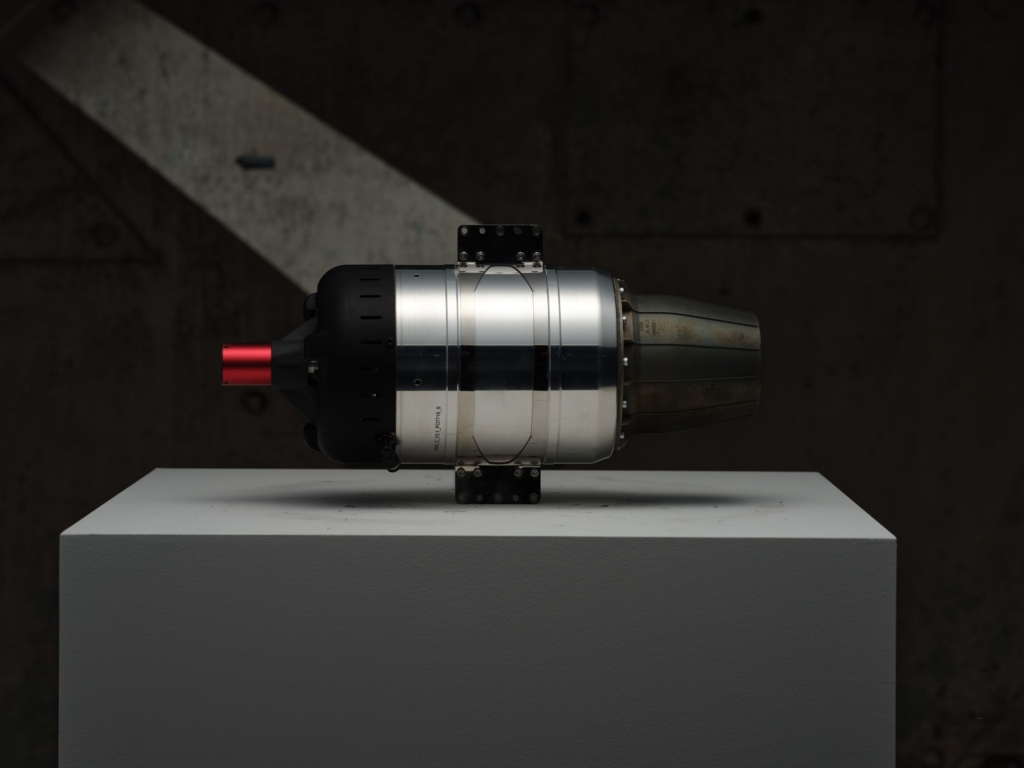
The programme, led by the UK MOD’s Strategic Capabilities Office (SCO), has developed a new family of turbojets spanning 30N to 2,000N of thrust. A 300N-class engine (known simply as the A300) has already completed flight testing and entered serial production in the UK, while a larger 1,100N-class turbojet (called the A1100) progressed from initial concept to flight-ready status in less than seven months.
This achievement is particularly relevant to the growing demand for affordable propulsion systems for uncrewed and autonomous platforms, such as traditional drones and newer Collaborative Combat Aircraft (CCAs), where cost, production rates and the ability to rapidly adapt equipment are becoming increasingly important considerations.
Alloyed’s approach combines computational design with advanced metal manufacturing, allowing complex engine components to be produced without the lengthy tooling and conventional manufacturing processes associated with traditional aerospace development. The result is intended to provide a more responsive route from propulsion requirements to usable operational capabilities.
Building a sovereign propulsion ecosystem for uncrewed platforms
The success of this demonstration has also allowed the UK to establish a propulsion capability for future defence systems, strengthening the UK’s ability to design, manufacture, test and sustain critical defence capabilities independently and at scale, while delivering highly skilled jobs and bolstering domestic supply chains.
Commenting on this in a UK MOD press release (dated 15 September), Luke Pollard MP – the Minister for Defence Readiness and Industry – said: “Taking a jet engine from concept to flight-ready in just a matter of months shows how defence and industry can work together to deliver capabilities at the speed required by today’s world.
“The threats we face demand the ability to produce cutting-edge technology on demand and at scale – this programme delivers that, combining sovereign manufacturing, digital engineering and industrial innovation to ensure our Armed Forces retain an operational advantage, while delivering good jobs for working people here in the UK,” he added.
The initiative places significant emphasis on maintaining the capability within the UK’s domestic defence industry. According to the UK MOD, more than 60 engineering and advanced manufacturing jobs have been created through the programme, with a further 45 expected over the next year as production expands.
The project also supports a resilient domestic supply chain that involves more than 40 UK-based suppliers; a collective that is largely made up of small and medium-sized enterprises (SMEs). For the MOD, the project demonstrates how government and industry can work together to develop strategically important technology at pace, while reducing resilience on overseas propulsion supply chains.
For this, the UK MOD and Alloyed have followed a co-development model that has seen both parties jointly fund the project and work together to develop the technology within the desired timeframe. This differs from traditional procurement methods, where the UK MOD would specify the requirements for a finished product before purchasing its desired solution from industry. The aim here is to shorten development cycles and retain sovereign defence industrial capabilities.
Designed for scale, adaptation and greater industrial opportunity
The timing of this effort is significant. Defence organisations are increasingly looking towards mass-produced uncrewed systems and other low-cost platforms, creating demand for propulsion that can be rapidly manufactured at scale while remaining sufficiently flexible to accommodate different air vehicle designs.
The programme’s modular approach is intended to enable further engine variants to be developed rapidly – a move that potentially enables propulsion systems to be tailored to specific missions rather than relying on a small number of established engine designs.
Beyond the immediate initiative, the work could provide a foundation for a broader UK propulsion ecosystem that combines Alloyed’s expertise in advanced materials and additive manufacturing with domestic engineering and supply chain capacity.
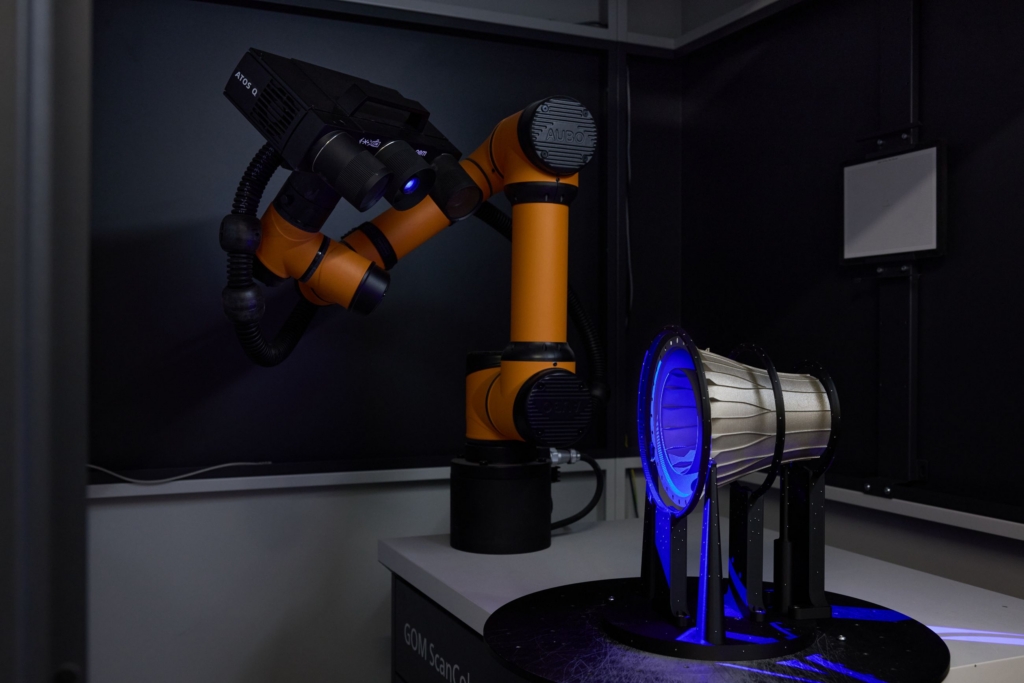
Michael Holmes, CEO of Alloyed, added: “Working alongside the [UK MOD] has enabled Alloyed to bring to bear its world-leading metals technologies to mature and demonstrate advanced propulsion systems at remarkable pace while building a lasting capability in the UK. This programme shows the power of combining defence expertise, digital engineering and industrial innovation.”
The MOD has described the project as an example of how the UK can develop sovereign capability at speed. For the wider defence and aerospace sectors, it offers a glimpse of how digital design and advanced manufacturing could reshape the overall economics, timescales and development of future propulsion systems for the next generation of uncrewed aircraft.
Sign up for our newsletter and get our latest content in your inbox.
Similar Reads






Sign up for our newsletter. Select all sectors relevant to you.
Related