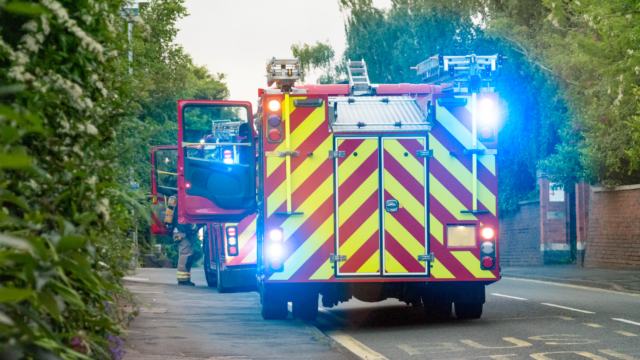


UK to launch national resilience campaign as government prepares public for emergencies


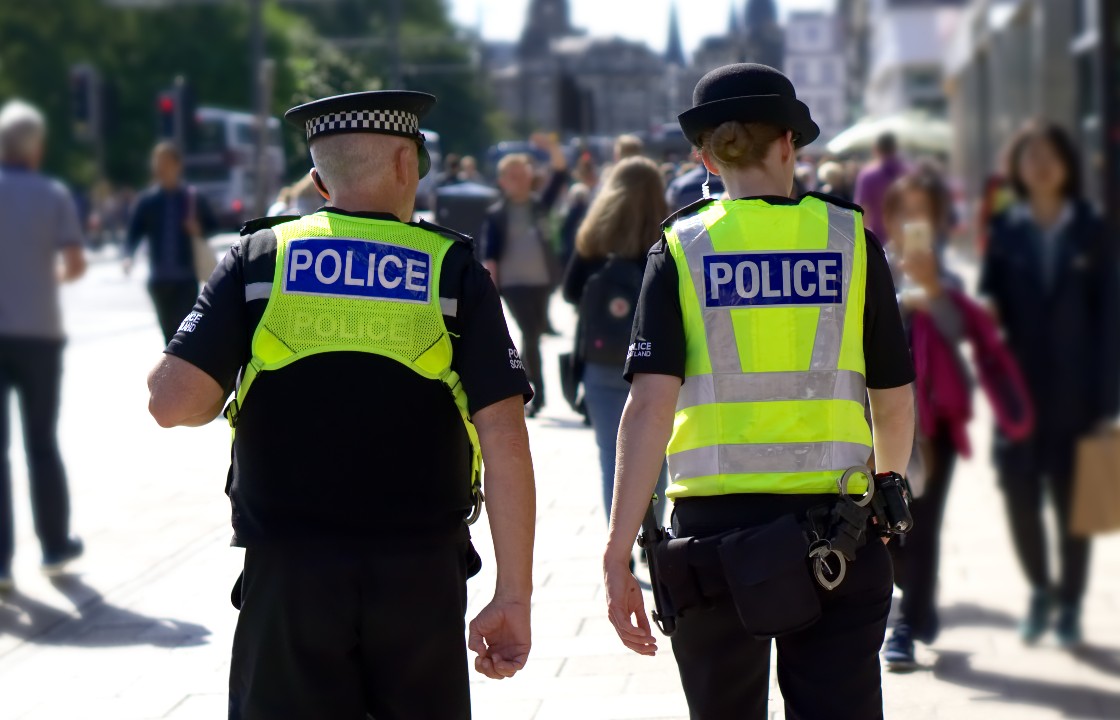
The UK government will launch a national resilience campaign later this year to support residents in preparing for all types of emergencies, including severe weather and prolonged power cuts, as well as cyberattacks and threats from hostile states.
The campaign forms part of a broader shift towards a “whole-of-society” approach to national security, bringing the public, businesses, local authorities, voluntary organisations and the military more closely into the UK’s preparations for major crises.
The Ministry of Defence confirmed the plans in recent parliamentary answers, saying national security increasingly depends on a population equipped to deal with disruption.
“This Government is committed to strengthening national preparedness and improving public understanding of the threats we face through our national conversation on defence and security,” Armed Forces Minister Louise Sandher-Jones said. “Addressing the challenges of an increasingly volatile and contested world requires a whole-of-Government and whole-of-society approach.”
The campaign was formally announced for the first time in the government’s Annual Statement on National Resilience on 14 July. It is expected to launch before the end of 2026.
Households encouraged to prepare for disruption
The campaign will encourage people to take simple measures that could help them cope when essential services are unavailable.
Existing government guidance on GOV.UK Prepare recommends that households consider keeping emergency supplies to sustain them for several days of disruption.
Suggested items include a battery-powered or wind-up torch and radio, portable phone power bank, first-aid supplies, spare batteries, bottled water and non-perishable food that does not require cooking.
The guidance recommends a minimum of 2.5 to three litres of drinking water per person per day for survival, while around 10 litres would also provide water for basic cooking and hygiene.
Households are also advised to keep important telephone numbers on paper in case phones or internet services are disrupted, know how to turn off their gas, electricity and water, and consider preparing a “grab bag” containing essential items if they have to leave home quickly.
The advice is designed for a wide range of emergencies rather than specifically preparing households for war.
Chief Secretary to the Prime Minister Darren Jones said, when the campaign was announced, that emergencies could include severe weather or a cyberattack affecting “access to power, water, phone signal or local shops to get food.”
“The government will do all it can, and we are well prepared – but we can all play our part to keep ourselves and our loved ones safe,” Jones said.
How prepared is the UK public?
Government research suggests many households could struggle relatively quickly during a major disruption.
According to the 2026 UK Public Survey of Risk Perception, Resilience and Preparedness:
- 25% of respondents said they could only meet their household’s needs for one day or less if power cuts cut off gas and water
- 41% thought they could cope for two to three days
- 12% thought they could go six days without supplies or help
Preparedness has improved. In 2025, 32% said they could survive one day or less.
Only 19% of respondents had prepared a grab bag, while 29% had written down important telephone numbers or other information. Around 21% said they had undertaken none of the preparedness measures listed in the survey.
Campaign will also address hostile-state threats
The programme goes beyond preparing for floods and power failures.
Sandher-Jones said the campaign will provide “increased information about state-based threats,” reflecting growing concern about cyber attacks, sabotage, disinformation and other forms of hybrid warfare.
The government’s 2026 National Risk Register now identifies 95 major risks facing the country.
Seven risks were added in July, including foreign interference in UK democracy, cyberattacks against data infrastructure, water infrastructure and police systems and a “digital resilience failure” scenario based in part on lessons from the global CrowdStrike IT outage in 2024.

Ministers have also identified Russia as a threat to UK security.
When the resilience measures were announced in July, Sandher-Jones said: “Russia is not only a threat to NATO’s eastern flank. It is a direct threat to the UK homeland.”
The government says the challenge therefore extends both below and above the threshold of conventional armed attack.
Civilian and military crisis planning moving closer together
The campaign forms part of the Cabinet Office-led Home Defence Programme, intended to strengthen coordination between civilian agencies and the Armed Forces during a major national emergency.
According to the government’s 2026 Resilience Action Plan implementation report, ministers are working with devolved and local governments, Local Resilience Forums, utilities, businesses and civil society organisations to develop the campaign.
New resources are also planned for schools and colleges.
The Ministry of Defence will work with industry, local resilience organisations, the voluntary sector, military reservists and cadet groups as part of the broader “whole-of-society” approach.
At the same time, classified government crisis plans known as the “War Books” are being updated for the first time since 2004.
Those plans will be put to the test in 2027 during Exercise ALBISTON SHADOW, which the government describes as the UK’s largest home defence exercise in decades.
Hundreds of ministers, officials and public-sector personnel are expected to participate in the multi-day exercise, which will simulate the UK’s response to hybrid attacks. It will run alongside preparations for NATO’s CMX27 exercise.
Sign up for our newsletter and get our latest content in your inbox.
Similar Reads



Sign up for our newsletter. Select all sectors relevant to you.
Related