Advancing UK Aerospace, Defence, Security & Space Solutions Worldwide
  • Home
  • /
  • Space
  • /
  • UK Space industry to benefit from £1.5m space tech fund

Space

UK Space industry to benefit from £1.5m space tech fund

UK Space Agency has announced new funding to support ambitious plans for the exploration of space, such as the utilisation of resources beyond Earth’s atmosphere, the use of nuclear power in space or the exploration of the Moon and Mars.

Image copyright Shutterstock
 
The funding call, which opens today from the UK Space Agency’s Space Exploration programme, invites the space sector to bid for up to £500,000 to boost technology that will support and advance robotic and human exploration of Low Earth Orbit, the Moon, and Mars.

Advertisement
ODU RT

 
Advertisement
ODU RT

Proposals could include ideas to develop:

  • Space based nuclear power
  • Technology that supports human and robotic exploration
  • Technology to support potential future exploration missions
  • Techniques for extracting mineral resources in space

The development of space-based nuclear reactors, for example, could potentially lead to the more efficient use of technology on Earth, such as quickly deployable microreactors to restore power to disaster-hit areas.
 
 Sue Horne, Head of Space Exploration at the UK Space Agency, said: “Exploration of Low Earth Orbit and our surrounding celestial neighbours delivers important breakthroughs that advance our understanding of the universe, opens up economic possibilities and make life better back on Earth.
 
“The UK has provided expertise and equipment to some of the most high-profile space missions of recent times. This funding will help our world-class space sector kickstart new technological successes, allowing us to explore our solar system further.”
 
From supplying components for planetary orbiters to developing game-changing equipment to aid research in space, the UK space sector plays an important part in global space exploration, allowing us to discover more about our solar system and its formation.
 
The deadline for applications is 5pm on 31 August 2021. Organisations can bid for between £50,000 - £500,000.



Advertisement
FIA2026 animated banner
SOLAR-1 becomes operational

Space

SOLAR-1 becomes operational

16 June 2026

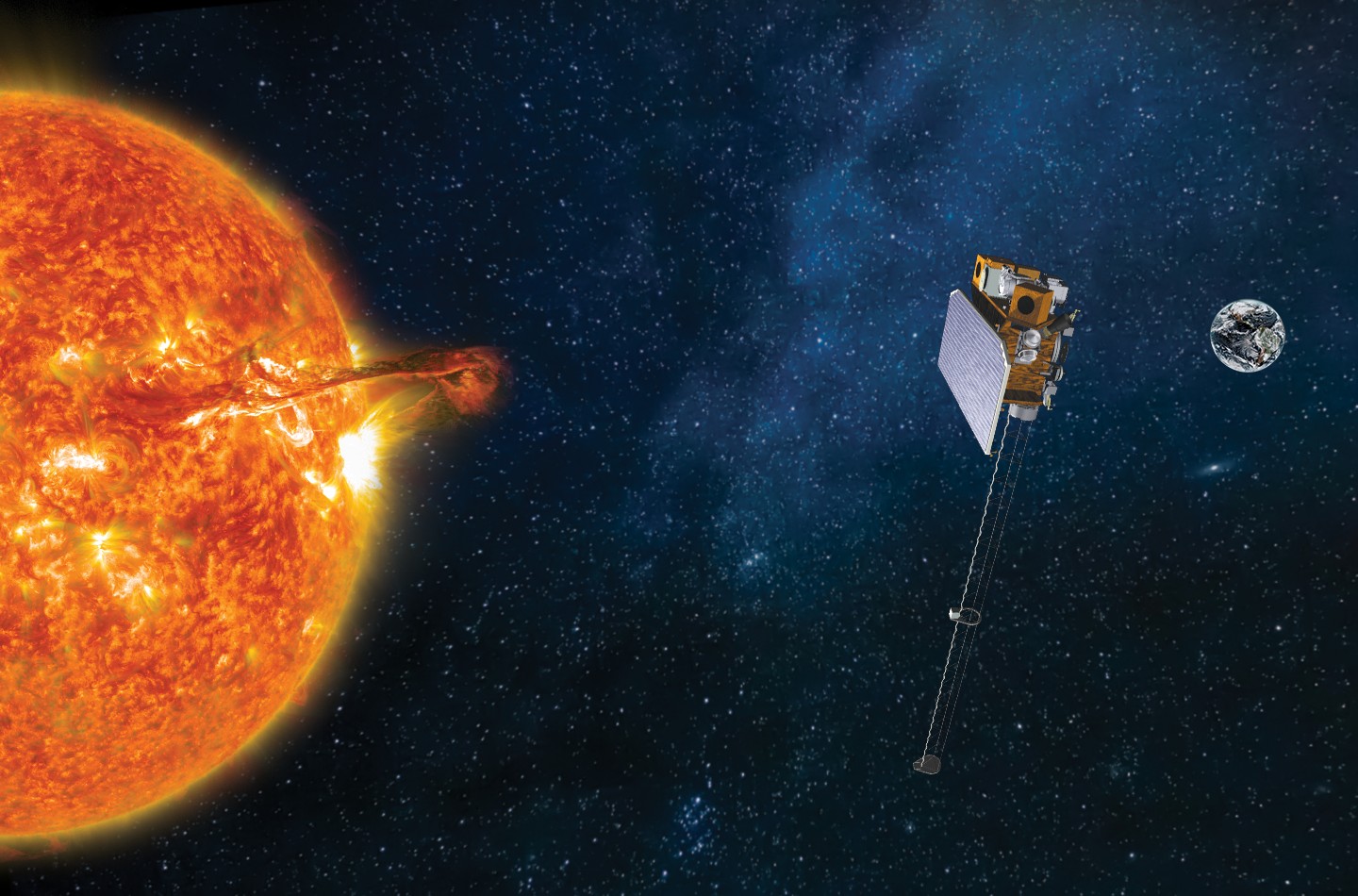
Global space weather forecasting is getting a step-change in capability as the National Oceanic and Atmospheric Administration’s (NOAA) SOLAR-1 satellite becomes operational.

Optera funding fuels UK hub for space domain awareness

Defence Security Space

Optera funding fuels UK hub for space domain awareness

15 June 2026

Optera, a neuromorphic sensing company delivering next-generation space domain awareness (SDA), has raised £3 million to establish and scale its UK headquarters and engineering team.

ESA officially adopts ARRAKIHS as F2 Mission

Space

ESA officially adopts ARRAKIHS as F2 Mission

12 June 2026

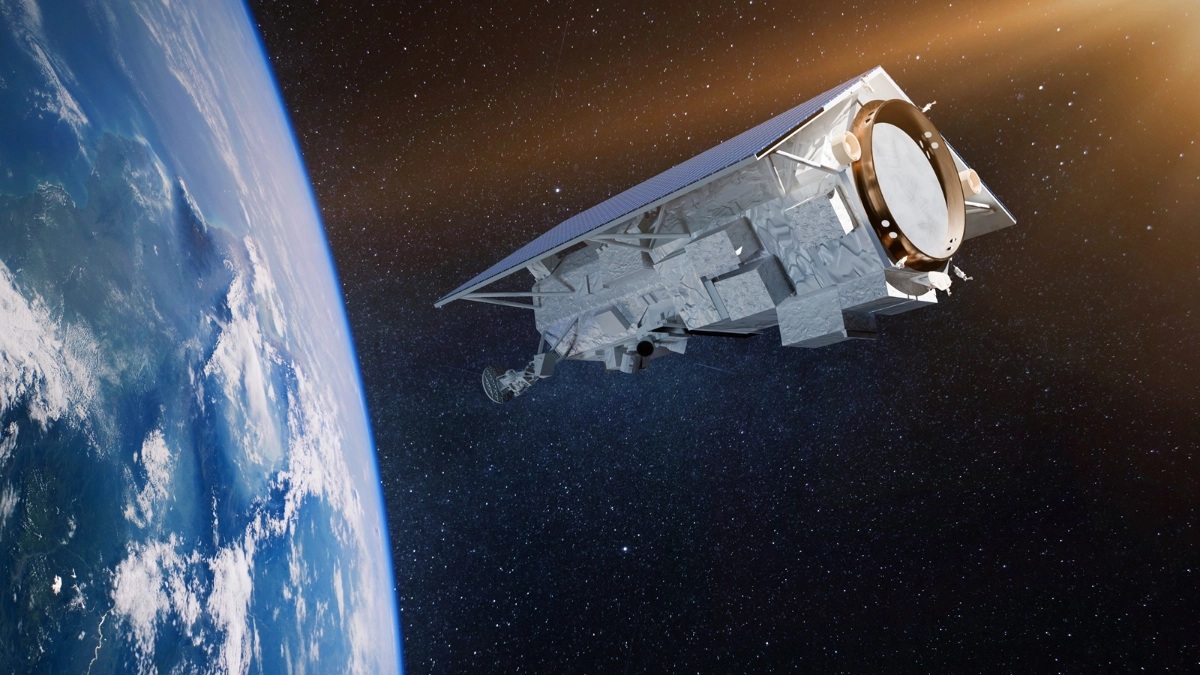
The European Space Agency (ESA) has officially adopted ARRAKIHS as its second FAST-class (F2) scientific mission, with the University of Surrey leading the UK’s role in the project to uncover the hidden history of galaxies ahead of a confirmed target launch date of 2030.

UK funding boosts breakthrough space tech

Space

UK funding boosts breakthrough space tech

11 June 2026

At London Tech Week, UK Space Minister Liz Lloyd unveiled more than £19 million to support British companies developing next-generation space technologies.

Advertisement
ODU RT
Tekever and Sapient Perception to explore airborne ISR sensing integration

Aerospace Security Space

Tekever and Sapient Perception to explore airborne ISR sensing integration

9 June 2026

Tekever and Sapient Perception have signed a Memorandum of Understanding to explore the integration and evaluation of Sapient Perception’s 10K camera system on Tekever uncrewed aerial systems.

NewOrbit to open Earth’s last empty orbit

Space

NewOrbit to open Earth’s last empty orbit

8 June 2026

Between commercial aircraft at 10 km and conventional satellites at 500 km lies a band of near-Earth space, called very low earth orbit (or VLEO), which until now, has not been accessible for commercial space flight.

Advertisement
ODU RT
Advertisement
FIA2026 animated banner