UKSA joins EISCAT
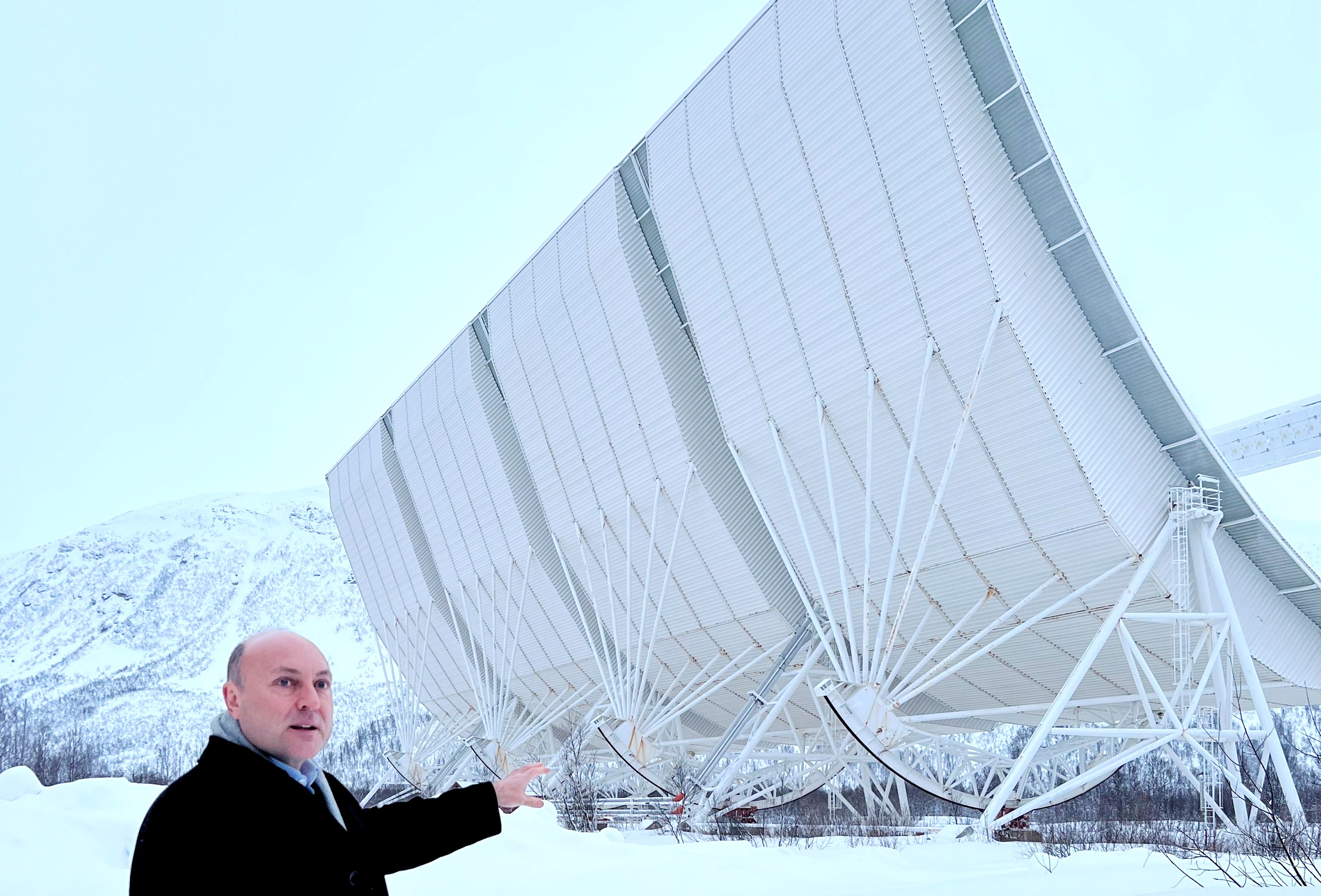
Above: Minister Griffith visiting the EISCAT Ramfjordmoen radar site.
Courtesy DSIT
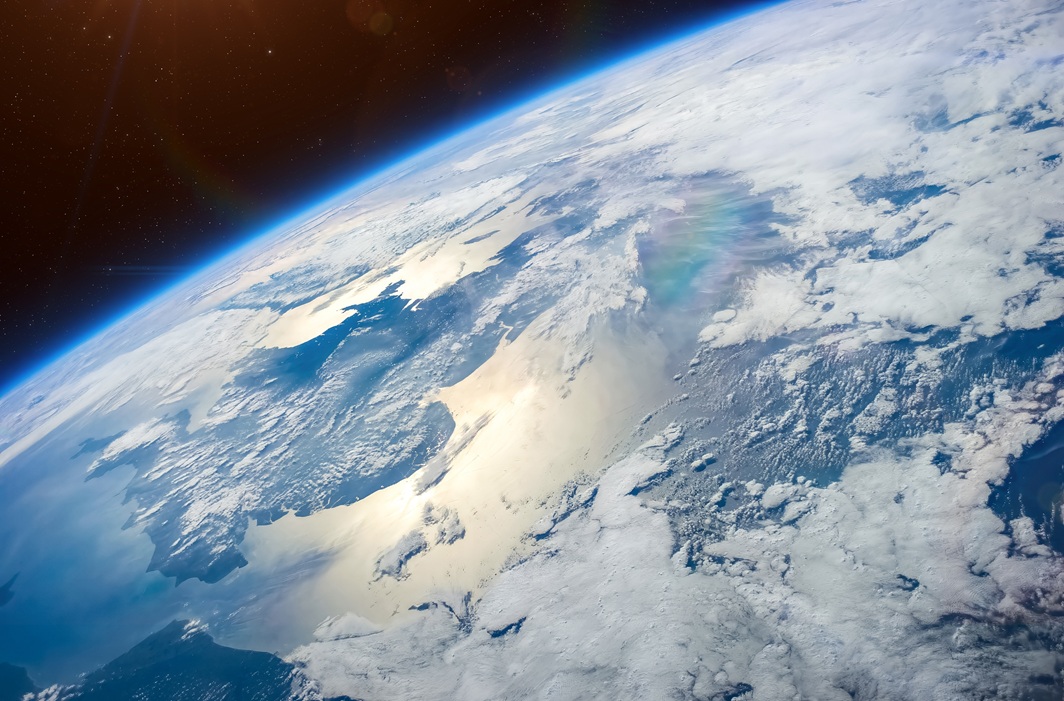
EISCAT, which operates four radar sites across Norway, Sweden and Finland, studies the ionosphere – the outermost layer of Earth’s atmosphere which forms the boundary with outer space. This is the altitude at which many satellites used for communications and navigation are found, and changes to the ionosphere can affect how they perform – and even their overall lifespan.

The £100,000 agreement to make the UK Space Agency an associate member of EISCAT, getting access to their ionosphere sensing and observation capabilities, will help protect UK satellites as well as boosting our understanding of the outer reaches of Earth’s atmosphere.
This signing comes after Minister Griffith met leaders from across the Northern Hemisphere at the Arctic Frontiers Conference and is also announcing a package of UK-funded polar science programmes as part of the trip.
The UK government is setting aside more than £5.5 million in dedicated funding to turbo-charge the work UK-based scientists are doing to support Arctic research - including with the Arctic Council Working Groups through the International Science Partnerships Fund, advancing our understanding of issues critical to the Arctic and the entire planet, like climate change and the health of our oceans.
To boost our understanding of Arctic weather and oceans as part of a project led by the Met Office, £5m will be invested in UK scientific institutions, such as the National Oceanographic Centre and the UK Hydrographic Organisation.
The UK is also investing £535k in joint research projects with Greenland and another £340k in UK-Iceland bursaries to build long-term researcher-to-researcher links on polar issues. The British Antarctic Survey will lead on both programmes.
Britain's close relationships with allies in the far North is hugely significant, not just to science and the environment but to energy security and trade. Norway supplies around a third of the UK’s gas and we also have close ties from our MoU on science, to our Free Trade Agreement.
Science Minister Andrew Griffith said: “Our new UKSA affiliation to EISCAT is further evidence of the UK’s leadership on space sustainability, and what we can achieve working hand-in-hand with our closest partners. It will unlock insights about the ionosphere helping us to keep UK satellites safe, which in turn is critical to sustaining our communications, navigation, and more.
“Through partnerships like this, as well as the National Space Strategy and our re-entry to the Copernicus Earth Observation programme, we are making the long-term decisions to build one of the most attractive and innovative space economies in the world.”