Advancing UK Aerospace, Defence, Security & Space Solutions Worldwide
  • Home
  • /
  • Space
  • /
  • UKSA launches space logo design competition to inspire children across the UK

Space

UKSA launches space logo design competition to inspire children across the UK
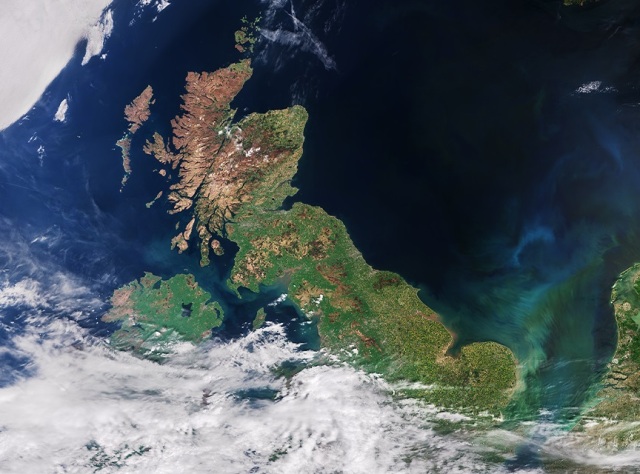
Children across the country have the chance to make history by designing a logo that will be displayed on the first small satellite launches from the UK next year, in a competition run by the UK Space Agency (UKSA) - open to primary school children aged between 4 and 11 years old - which will help inspire the next generation to consider a career in space.

Image courtesy UKSA

Children across the country have the chance to make history by designing a logo that will be displayed on the first small satellite launches from the UK next year, in a competition run by the UK Space Agency (UKSA), open to primary school children aged between 4 and 11 years old, which will help inspire the next generation to consider a career in space.

Advertisement
PTC rectangle

Next year, the UK is set to become the first country in Europe to host small satellite launches, as set out in the National Space Strategy. Satellites help us monitor climate change and improve connectivity, so having the capability to launch them from the UK will benefit people and businesses across the country.

This new competition will draw on the creativity and enthusiasm of children from across the UK to design a logo to commemorate the first launches.

Logo designs should reflect how data from small satellites can help inform solutions to climate change as well as generate a source of pride in the UK’s space ambitions. Around half of the different types of data needed to accurately monitor the Earth’s climate are currently collected from space.  

Science Minister George Freeman said: “2022 will be a historic year for the UK space and satellite industry, with the exciting prospect of the first small satellites launching from British soil.

“The continued strength of our growing space industry depends on finding and attracting future talent, and this competition is a great way for children to learn about the importance of satellites and to showcase their creativity.”

The UK Space Agency competition will run until March 2022 to ensure teachers, parents and children have sufficient time to get involved.

The overall winning design displayed on the rocket that launches into space and finalists may even have the opportunity to attend the first satellite launch from the UK.

Advertisement
ODU RT

Ian Annett, Deputy CEO, UK Space Agency said: “Next year, small satellites will launch from UK spaceports for the very first time, helping to support our world-leading Earth observation capabilities and create high-skilled jobs across the country.

“This competition offers young people the chance to learn more about this exciting activity and hopefully inspire them to be the next generation of space talent and be part of the UK’s thriving space sector.”

Satellites are used routinely to monitor the polar ice caps and changing sea levels, measure the temperature of the oceans and deserts, and even to count endangered animals such as whales and walrus. The UK is playing an important role in three new missions to measure carbon emissions from space (MicroCarb), improve climate data (TRUTHS) and monitor the health of forests (Biomass).

Older students (16+) and adults can enter a separate competition to design a satellite that could be used to help inform solutions to climate change.

To enter go to:  logoliftoff.org.uk



Advertisement
General Atomics LB
EECL secures £1.5m contract with ESA

Space

EECL secures £1.5m contract with ESA

5 February 2026

Kingston-Upon-Thames based European Engineering Consultancy Ltd (EECL) has been awarded a £1.5 million contract by the European Space Agency (ESA) to deliver ground support equipment and environmental and space-qualification testing for a next-generation digital satellite payload.

Returning to STEM after career break becomes harder than ever

Aerospace Defence Security Space

Returning to STEM after career break becomes harder than ever

4 February 2026

Returning to STEM industries after a career break is now harder than ever, according to new research by STEM Returners, with bias against gender, age, ethnicity and a lack of recent experience penalising highly qualified people from getting a job.

UK-Japan partnerships advance quantum and future connectivity tech

Aerospace Defence Security Space

UK-Japan partnerships advance quantum and future connectivity tech

4 February 2026

Joint investments will advance quantum technology, boost digital connectivity and strengthen network resilience against cyber threats.

Investment in satellite timing infrastructure to strengthen UK resilience

Space

Investment in satellite timing infrastructure to strengthen UK resilience

3 February 2026

GMV are to lead the development of a secure Two-Way Satellite Time and Frequency Transfer system under the TOUCAN project - funded by the UK Space Agency through the European Space Agency's Navigation Innovation and Support Programme (ESA NAVISP) - which is an important part of the UK Government's Framework for Greater PNT Resilience.

Advertisement
Security & Policing Rectangle
Paul Bate to step down as UK Space Agency CEO

Space

Paul Bate to step down as UK Space Agency CEO

3 February 2026

Dr Paul Bate will be stepping down as Chief Executive of the UK Space Agency at the end of March 2026.

Viasat launches satellite service portfolio for government UAV ops

Defence Security Space

Viasat launches satellite service portfolio for government UAV ops

2 February 2026

Viasat today launched its next-generation satellite service portfolio, engineered to meet the evolving demands for government uncrewed aerial vehicle (UAV) operations worldwide, including intelligence surveillance and reconnaissance (ISR), emergency response and special operations.

Advertisement
PTC rectangle
Advertisement
ECS leaderboard banner