


British Army fields layered counter-drone detection network at Warminster


The Government announced today that it has deployed two new drone detection systems at the British Army’s Warminster base. This was funded by UK Defence Innovation’s (UKDI) Project Halo Shield.
The deployment of these C-UAS detection systems is moving from concept to operational deployment at a “genuine pace.”
The rapid pace is partly attributable to earlier field demonstrations and C-UAS exercises by the British Army’s Experimentation and Trials Group (ETG), such as Project Vanaheim and Project Flytrap, where technology was tested against live drone activity.
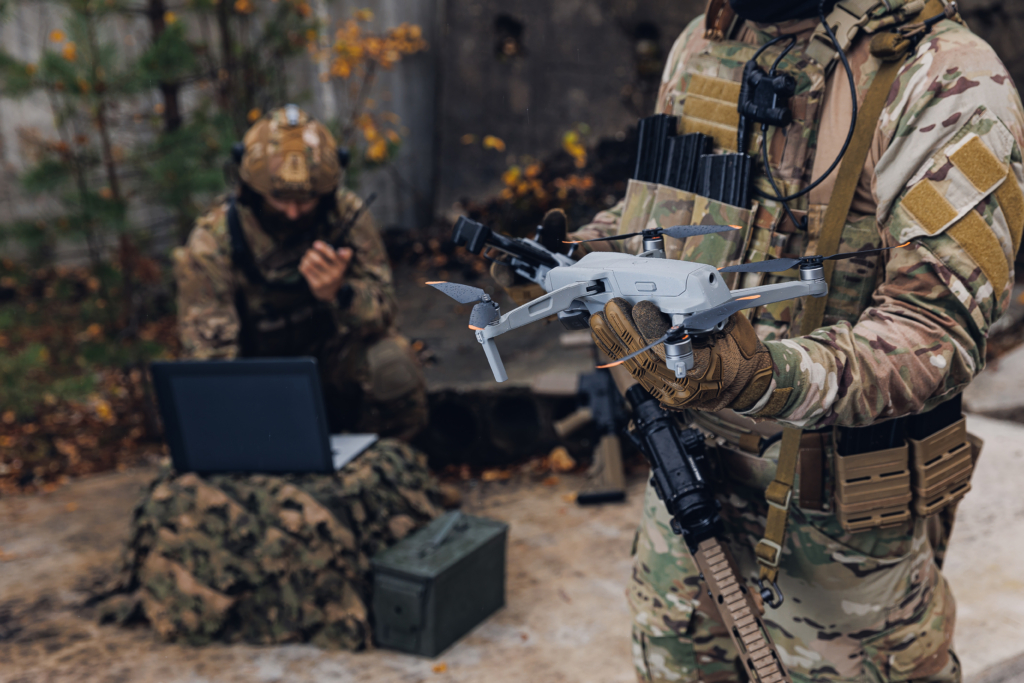
The exercises also helped establish relationships with suppliers. Nick McRobb, Dedrone’s UK defence lead and a former Army Colonel, said, “We moved quickly. The demonstration event took place in November 2025, and we did our on-site recce in January 2026. We were installed and operational a few months later by March 2026.”
The contractors: Dedrone & Quell
One of the contractors is Dedrone (now part of Axon). Dedrone is an American contractor that claims to be “revolutionising drone defence with advanced AI-Driven Autonomous C2 platforms.”
Dedrone’s counter-drone technology is already installed at over 1,130 sites spanning airports and critical national infrastructure in 35 countries.
Dedrone’s C2 software solution fuses multiple sensors, including its own radio frequency (RF) sensors, to generate a single integrated operational picture. It is able to detect the signal between the operator and the drone and then display that information in real time.

It uses three RF sensors to triangulate a drone’s position across the garrison site, with a fourth RF sensor responsible for the identification of the drone and its controller.
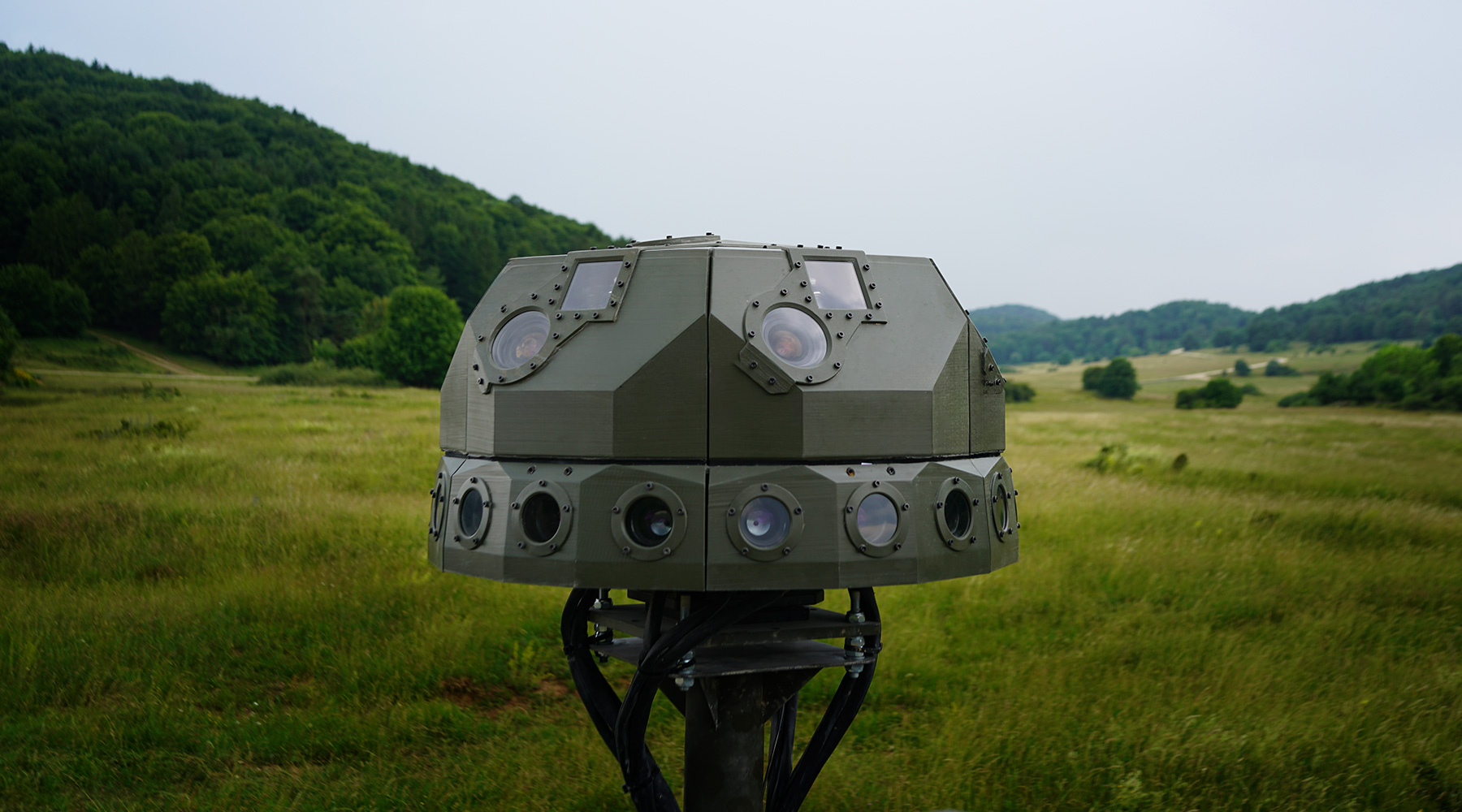
The second contractor is complementary. Quell is a British company supplying SkySpyke as a second layer of Warminster’s C-UAS detection defence. This provides complete hemispheric sky coverage in detecting, tracking, and identifying airborne objects.
SkySpyke is Quell’s electro-optical counter-unmanned aerial and surface close-in threat detection system that moves away from traditional RF-emitting capabilities and sees the threat “regardless of how it’s communicating.”
Detecting small, FPV-type drones is difficult
Much of the online discourse revolves around intercepting small drones, but one of the hardest aspects is just detecting them. Drones fly at low and slow speeds with profiles that often resemble birds and other sources of radar clutter. Radars are typically programmed to filter them out to avoid an unworkable number of false alarms.
These new systems use AI to filter and deliver alerts and visual confirmation of objects of interest, significantly lowering the operator’s burden.
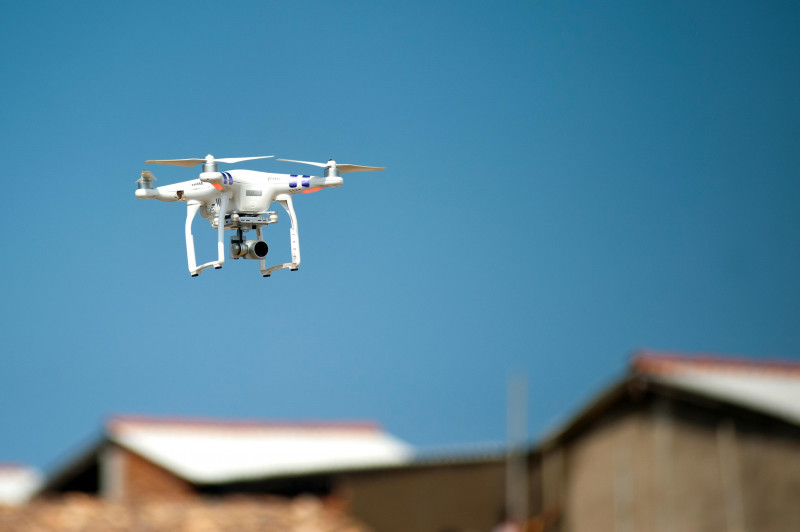
According to the announcement, during the first 17 days of live monitoring, the British Army’s new system recorded 29 drone position alerts, some of which were up to 5 kilometres away. None of these drones were threatening to the base.
Additionally, the Army tested the new system by flying drones and seeing if there were weaknesses in its detection.
Warminster’s role is reportedly delivering impressive results and is helping the MoD create new ways to think about drone detection and how to protect more British military sites.
More C-UAS solutions to be deployed across British garrison sites may include a range of radar capabilities, RF sensors, optical sensors, and acoustic sensors to provide a “truly layered detection architecture.”
Sign up for our newsletter and get our latest content in your inbox.
Similar Reads






Sign up for our newsletter. Select all sectors relevant to you.
Related