

DIP decoded: What the Defence Investment Plan means for the British Army


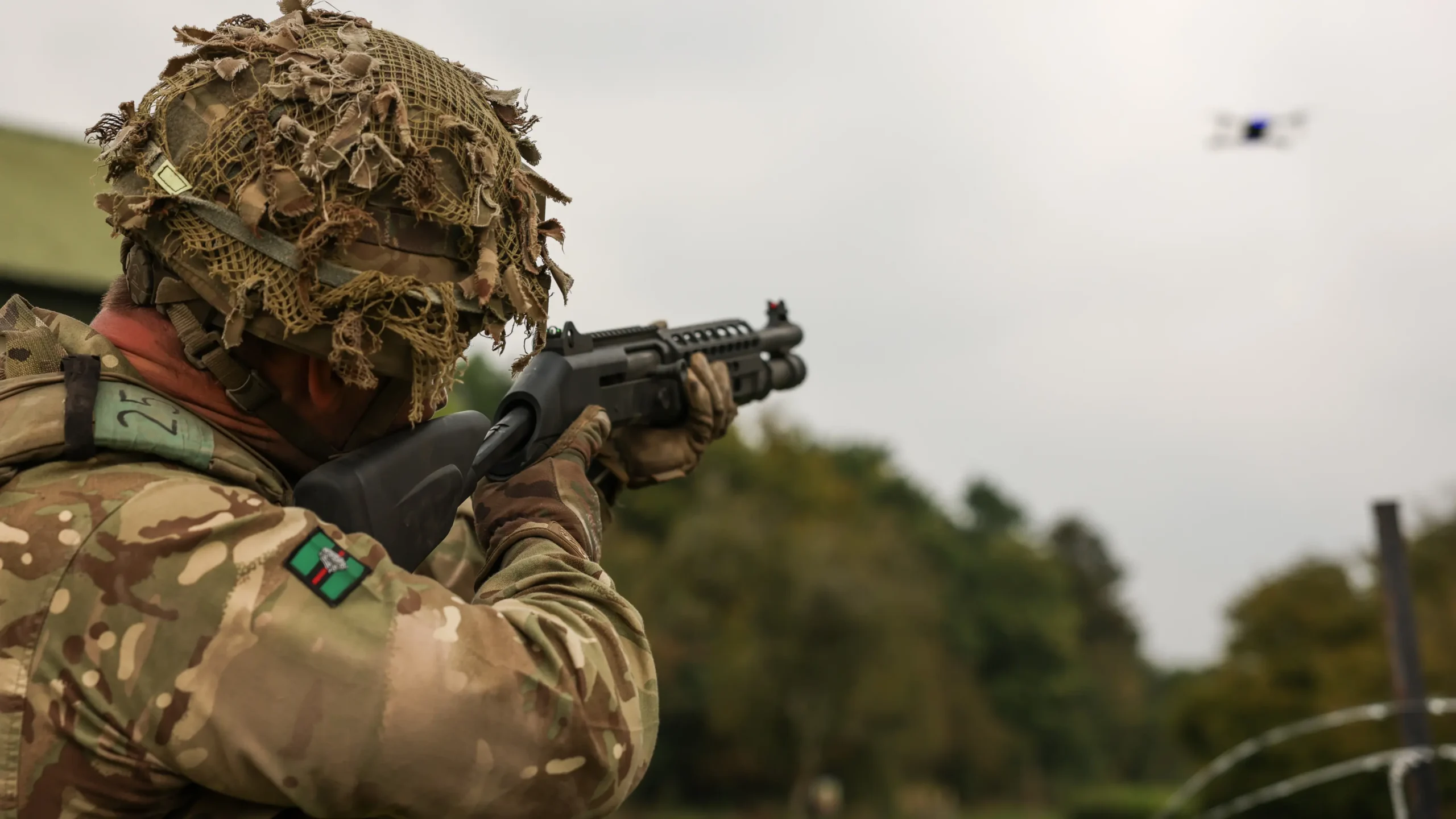
The British Army is embarking on its most significant transformation in a generation, shifting its focus from building larger armoured formations to creating a force built around precision strike, autonomous systems and digitally connected warfare.
That is the central message of the Defence Investment Plan (DIP). While the Army will continue modernising its core fleet of tanks, armoured vehicles and helicopters, the plan directs increasing investment towards long-range fires, drones, artificial intelligence, digital targeting and the industrial capacity needed to sustain prolonged operations.
The approach reflects lessons drawn from Ukraine and other recent conflicts, where success has depended as much on finding and engaging targets rapidly as on the size of conventional forces.
The plan describes this as “a complete reimagination of British land warfare”, with autonomous systems expected to become “ubiquitous” across the battlefield, operating alongside crewed vehicles rather than replacing them.
Precision fires become the Army’s main investment priority
The largest commitment is to weapons.
The Government will invest £11 billion in munitions and weapons over the next four years, including long-range precision fires, one-way attack systems, low-cost cruise missiles and expanded domestic production capacity. The aim is to rebuild stockpiles while ensuring industry can sustain high-tempo operations if required.
One of the most significant programmes is a £190 million investment in short-range ballistic missiles, allowing the Army to join the Precision Strike Missile (PrSM) programme alongside the United States and Australia.
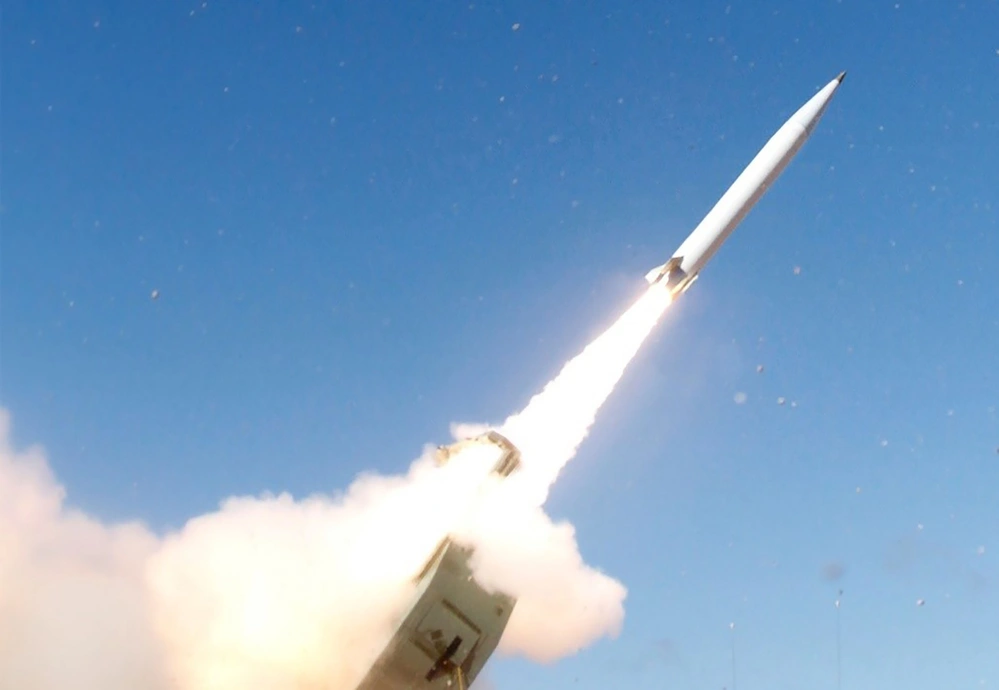
The capability will triple the Army’s strike range compared with existing systems and strengthen its ability to engage targets deep behind the frontline.
The plan also confirms continued investment in the RCH 155 self-propelled artillery system, being developed with Germany.
Alongside longer-range precision ammunition, the system is intended to provide dependable fire support in all weather conditions while extending the Army’s deep-strike capability.
Drones and UGVs move into frontline Army service
Rather than treating drones as specialist equipment, the Defence Investment Plan integrates autonomous systems throughout the land force.
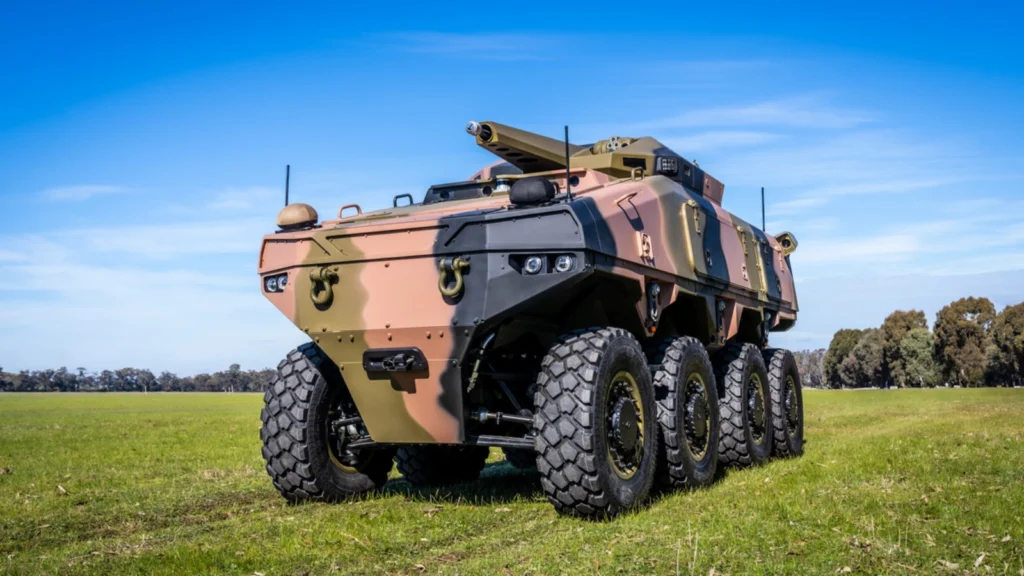
The Government has allocated £150 million to begin the rapid development and production of Uncrewed Ground Vehicles (UGVs).
Heavy UGVs will carry weapons, sensors and logistics payloads across the battlefield, while medium systems will support close-combat units operating alongside soldiers. The programme builds on UK research and development already underway in the sector.
The aerial element is equally ambitious.
Under Project Nyx, with an allocation of £220 million, the Army will acquire up to 24 armed autonomous aircraft to operate alongside the Boeing AH-64E Apache fleet, extending reconnaissance and strike missions while reducing risk to aircrews.
At the same time, Project Corvus will replace the retired Watchkeeper unmanned aerial vehicle (UAV) with a new tactical intelligence, surveillance, target acquisition and reconnaissance capability. Together, the projects form the basis of what the plan describes as a future “recce-strike” fighting system.
“An additional £310 million investment has been made for long-range surveillance and reconnaissance capabilities, including the next generation of uncrewed aerial systems to replace legacy Watchkeeper drones. Up to 24 new surveillance drones will be delivered by 2029,” the DIP said.
The DIP noted that autonomous systems will increasingly operate “as a constellation around core crewed platforms”, combining sophisticated missiles with lower-cost mass to increase battlefield resilience.
Counter-drone investment becomes a battlefield priority
The rapid spread of attack drones has also reshaped investment priorities.
The Government has committed a further £200 million to deployable counter-drone technology, recognising that protecting troops from hostile unmanned aircraft has become a routine battlefield requirement rather than a specialist capability.
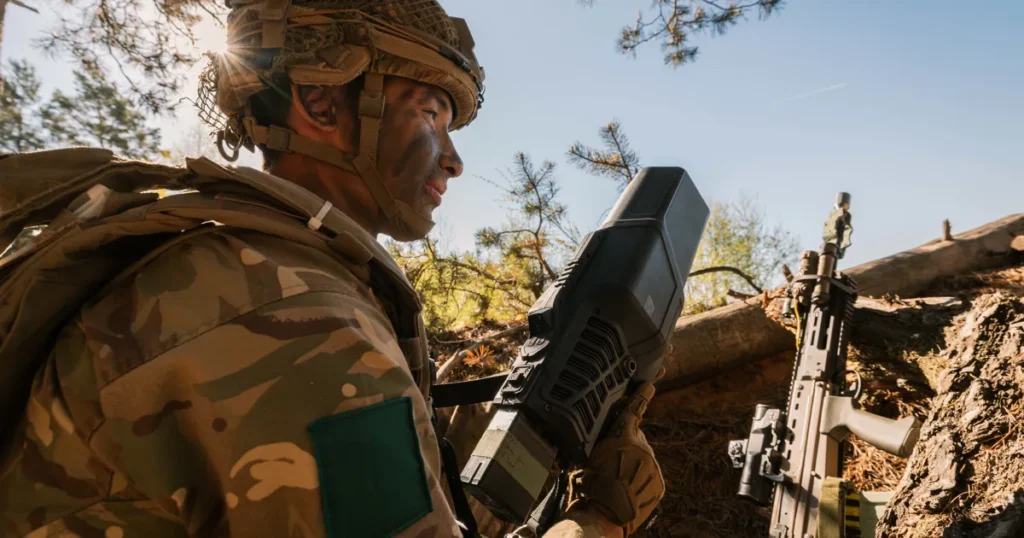
Alongside this, the new Land Lethality Pipeline receives £400 million to accelerate the introduction of inexpensive expendable autonomous systems and weapons across the Army, the Royal Marines’ Commando Force and UK Special Forces.
The package includes a £50 million boost this year for the Army’s RAPSTONE rapid lethality programme, intended to shorten the time between identifying operational requirements and fielding new equipment.
ASGARD links sensors, AI and precision weapons
If one programme captures the Army’s new direction, it is Project ASGARD.
Designed around the Digital Targeting Web, ASGARD is intended to connect surveillance assets, cyber and space-based intelligence, artificial intelligence and precision weapons into a single network capable of finding, identifying and striking targets more quickly than an opponent.
Rather than treating reconnaissance and firepower as separate functions, the system links sensors directly to weapons, from artillery and long-range missiles to aircraft and one-way attack drones.
The programme is already moving beyond concept. Elements of ASGARD were deployed during Exercise Spring Storm in Estonia in 2025, where more than 2,500 British troops operated alongside NATO allies while testing autonomous ground vehicles, uncrewed aircraft and digital targeting technologies in realistic operational conditions. Companies, including ARX Robotics UK, participated in the trials.
The Government has committed £70 million to ASGARD this financial year, building on £100 million invested over the previous two years, with a further £370 million planned over the next four years.
The DIP says the programme will be expanded across Defence and shared with allies and partners, describing it as both a force multiplier and an opportunity to strengthen UK research, innovation and export potential.
Challenger 3, Boxer and Ajax remain central to Army modernisation
The shift towards autonomy does not diminish the importance of conventional equipment.
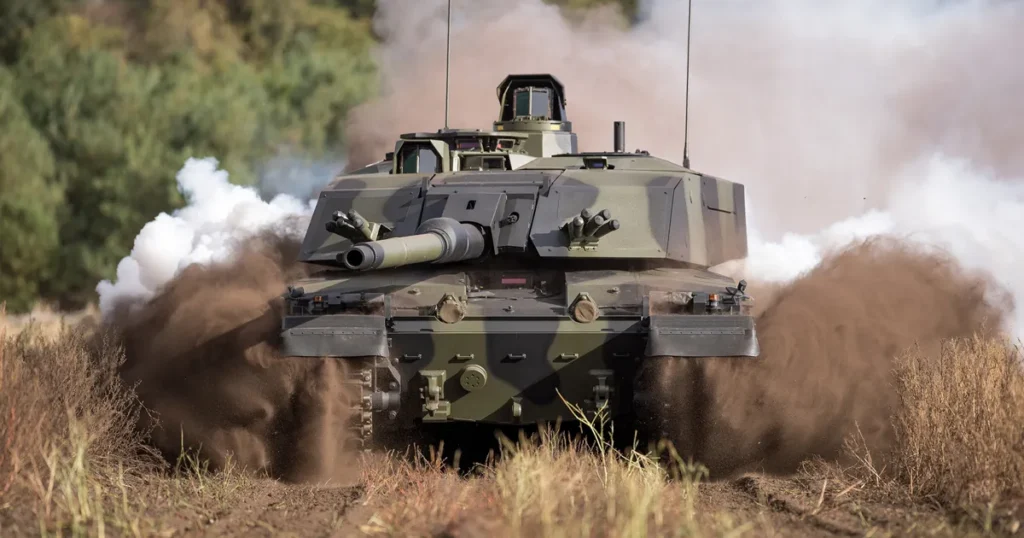
The DIP confirms £1.1 billion to complete production of the Challenger 3 main battle tank and £2.2 billion for the Boxer 8×8 armoured vehicle programme, alongside continued support for the Ajax reconnaissance vehicle. Together with the RCH 155 artillery system, these platforms form the backbone of the Army’s core modernisation programme.
Mobility is another priority. More than £500 million will fund the Land Mobility Programme, including a new Light Mobility Vehicle to succeed the long-serving Land Rover fleet and a Heavy Protected Mobility programme centred on a versatile 6×6 armoured vehicle.
Army Aviation is also set for renewal. The plan allocates £680 million over the next four years to begin acquiring 23 New Medium Helicopters, while confirming the phased withdrawal of the Wildcat AH1 battlefield reconnaissance helicopter from 2027.
The retirement will be offset by Projects Nyx and Corvus, the New Medium Helicopter programme and planned future purchases of newer Chinook helicopters.
Looking beyond the current Spending Review, the Government plans to invest at least £36 billion in new land capabilities between 2030 and 2035, focusing on distributed surveillance, digital connectivity, long-range precision fires, autonomous systems, new radios, integrated air defence and counter-drone capabilities.
Defence Investment Plan puts industry at the heart of Army transformation
The DIP is as much about rebuilding industrial capacity as it is about equipping the Army.
Expanding domestic munitions production, strengthening supply chains, accelerating procurement and opening more opportunities for non-traditional suppliers are recurring themes throughout the document.
The establishment of the National Armaments Director Group and UK Defence Innovation is intended to speed up acquisition and bring commercial technologies into service more quickly.
For industry, the opportunities extend well beyond traditional vehicle programmes. Autonomous systems, artificial intelligence, digital networks, counter-drone technologies, precision weapons and advanced manufacturing are all expected to play a larger role in the Army’s future capability.
The DIP leaves little doubt about the direction of travel. Tanks, artillery and helicopters remain essential, but they will increasingly operate within a digitally connected network of sensors, autonomous systems and precision weapons.
For the British Army, the measure of combat power will no longer rest solely on the number of platforms it fields, but on how quickly it can detect threats, make decisions and deliver effects across the battlefield.
Sign up for our newsletter and get our latest content in your inbox.
Similar Reads





Sign up for our newsletter. Select all sectors relevant to you.
Related