Why airlines pay millions to land at Heathrow


For airlines, securing access to London Heathrow Airport can be as important as opening a new route or investing in more aircraft.
In 2016, Oman Air reportedly paid a whopping $75 million to acquire a pair of daily Heathrow slots from Kenya Airways, highlighting just how valuable permission to operate at one of the world’s busiest international airports can be.
Why are Heathrow airport slots worth so much?
Heathrow is a major gateway for international business, tourism and trade. Its global connections make it an attractive base for airlines serving destinations across Europe, North America, Asia and the Middle East.
However, the airport’s two runways currently limit the number of aircraft movements it can accommodate. With demand exceeding available capacity, airlines need clearance to operate at specific times.
These permissions, known as airport slots, cover individual arrivals and departures on particular dates.

Timing is crucial. An early-morning arrival can give passengers a full day of onward connections, while a convenient departure can help an airline maximise aircraft utilisation. At Heathrow, securing these commercially attractive times can make a huge difference to a route’s profitability.
How airlines make money from Heathrow slots
A slot’s value comes from the business opportunities it creates. Access to Heathrow can help airlines attract premium passengers, operate long-haul services and connect travellers with destinations across their wider networks.
Slots are allocated independently in the UK by Airport Coordination Limited (ACL), rather than sold directly by Heathrow. However, existing slots can be transferred or exchanged between airlines, subject to the relevant rules.
This secondary market means that carriers can acquire space without waiting for additional capacity to become available. For an airline, the investment can be justified by the potential revenue from operating at such a commercially important airport.
Why are Heathrow slots difficult for new airlines to get?
With most Heathrow capacity already allocated, new airlines face a considerable barrier to entry. Finding suitable arrival and departure times is particularly difficult during peak periods.
Airlines can keep the same slots from one season to the next, as long as they use them often enough. Although opportunities exist for new entrants to secure available capacity, the limited supply means competition is intense. Some may therefore look to acquire slots from existing operators.
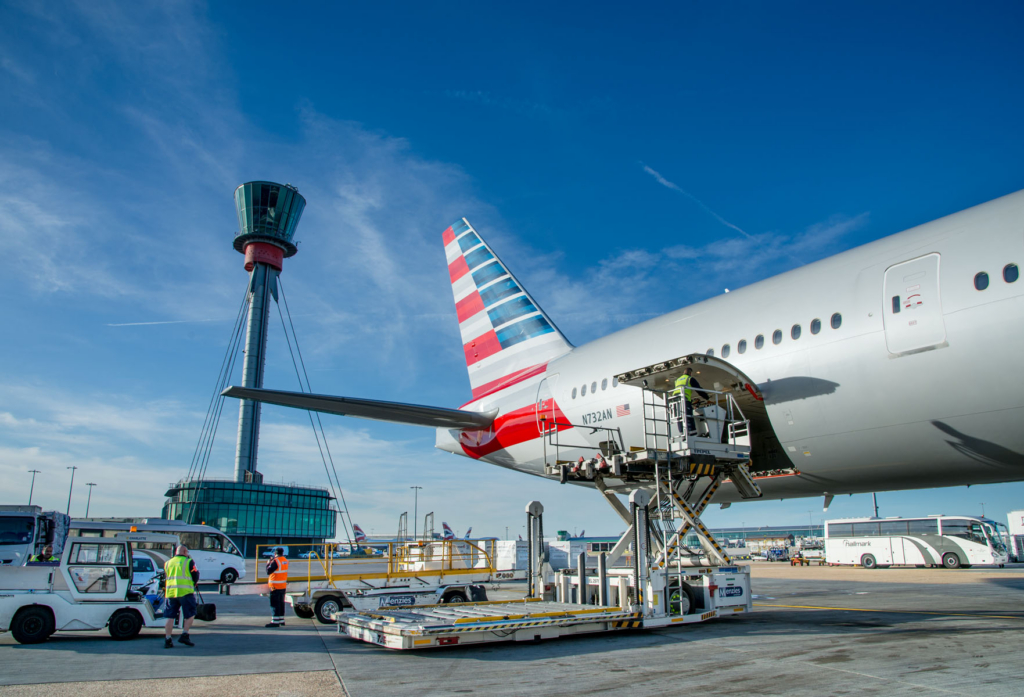
The challenge facing major airports like Heathrow lies in balancing existing airline operations with opportunities for new competitors to come into the market.
The 80/20 rule and why airlines must use their slots
Airlines cannot simply hold desirable slots without operating flights. Under the 80/20 rule, they generally need to use at least 80% of an allocated slot series during a scheduling season to keep the equivalent season the following year.
Often called ‘use it or lose it’, the rule encourages airlines to make productive use of limited airport capacity.
For carriers, this makes schedule planning and operational reliability particularly important. Disruption and cancellations can affect not only revenue but also the ability to hold on to the most lucrative slots.
What does Heathrow’s slot market mean for the future of aviation?
The high prices paid for Heathrow slots show just how difficult it is for airlines to get a foothold at busy airports. As more people travel by air, airports must find ways to manage limited space while allowing airlines to compete and new operators to enter the market.
For the UK, this affects international connections, passenger choice and the country’s ability to remain a major centre for global air travel.
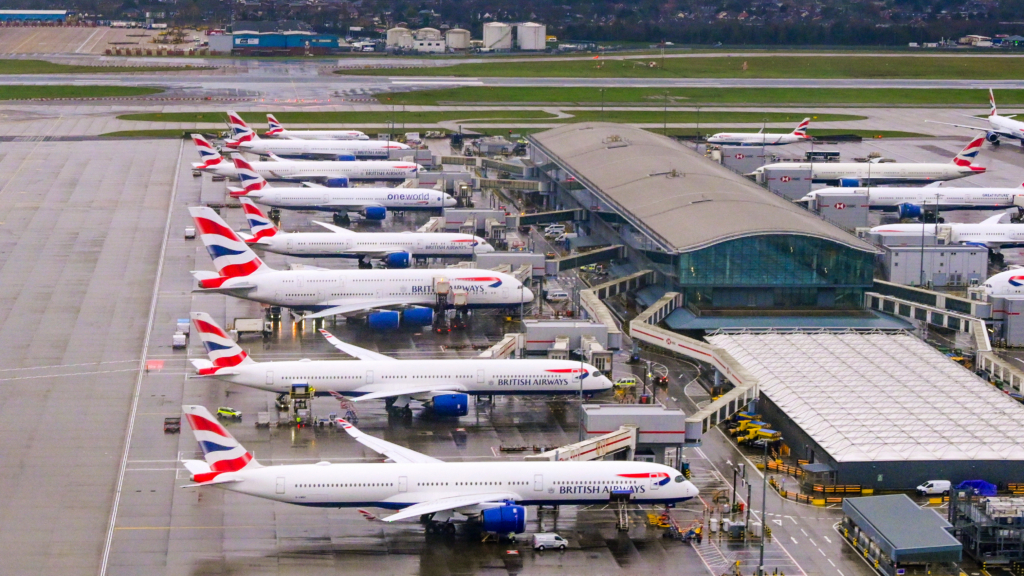
With Heathrow’s future capacity still being debated – and the proposed third runway potentially opening four years later than planned – entry to its prized runways is likely to remain tough.
Ultimately, airlines are paying millions for more than just a landing time. They are buying the opportunity to operate in one of the world’s most important aviation markets.
Sign up for our newsletter and get our latest content in your inbox.
Similar Reads





Sign up for our newsletter. Select all sectors relevant to you.
Related