General Atomics

ZeroAvia awarded US Airforce grant for autonomous hydrogen-electric aircraft

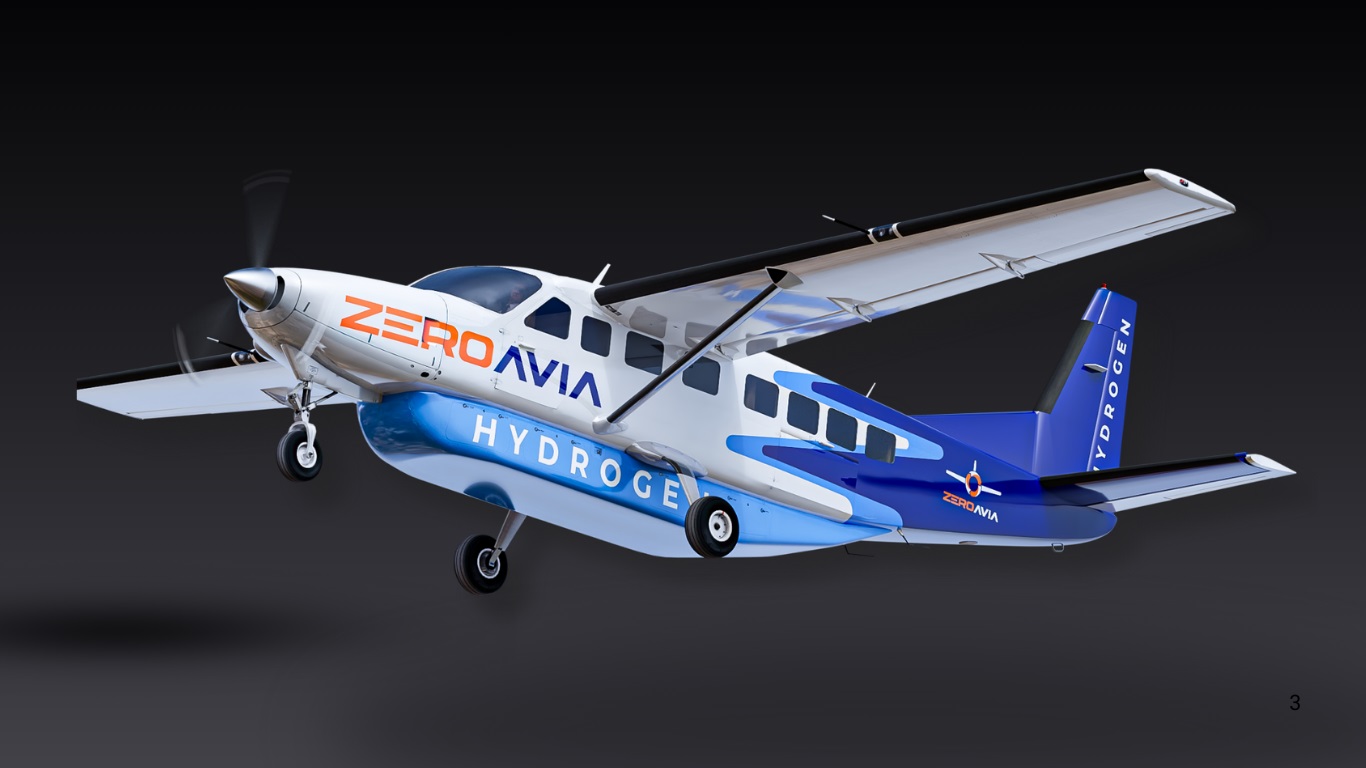
ZeroAvia today announced it has been selected by AFWERX for a Small Business Innovation Research (SBIR) grant to conduct a feasibility study focused on integrating hydrogen propulsion into Cessna Caravan aircraft alongside advanced aircraft automation technology.


Image courtesy ZeroAvia

AFWERX awards aim to address research questions with specific implications for the most pressing challenges in the US Department of the Air Force (DAF).  
 
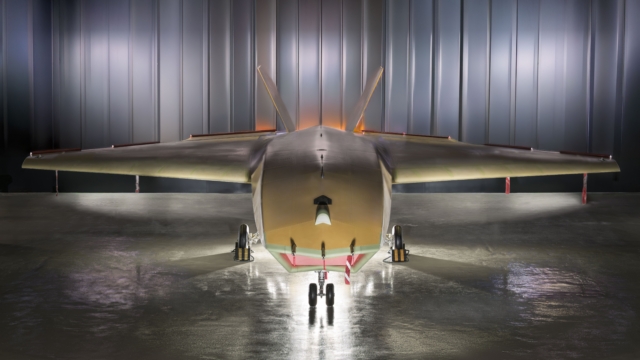
ZeroAvia will analyse the potential for developing and delivering an 8,000 lb autonomous aircraft with hydrogen-electric propulsion for reduced engine noise and low thermal signature, thus significantly reducing detectability. Hydrogen fuel cells are a promising technology for improving the range, duration and turnaround time of a range of electric Unmanned Aerial Vehicles (UAV).  
 
Hydrogen has additional advantages as an aviation fuel as it can be produced at point of refueling given ready supply of electricity and water, which dramatically simplifies fuel logistics – a critical consideration for any defence applications. Finally, hydrogen has the highest energy per unit of weight of any chemical energy source, which allows for potential maximum range of over 2,000 nm (almost 4,000 km) in an autonomous aircraft of this type.  
 
Reliable Robotics – the California-based specialists in remote operation of aircraft – will support ZeroAvia in exploring relevant autonomous flight systems as part of the study.
 
The DAF began offering the Open Topic SBIR/STTR programme in 2018 which expanded the range of innovations the DAF funded and ZeroAvia has started its journey to create and provide innovative capabilities that will strengthen the national defence of the USA. The study will explore the integration potential and operational impacts of strategically important technologies in the shape of autonomy and fuel cells.  
 
ZeroAvia is advancing certification of a 600kW hydrogen-electric powertrain – ZA600, which uses fuel cells to convert hydrogen fuel into electricity to power electric motors – with civil regulators. The planned first airframe is the Cessna Caravan, manufactured by Textron. The company recently announced a significant regulatory milestone after receiving an FAA G-1 issue paper for its 600kW electric propulsion system.  
 
Val Miftakhov, Founder and CEO, ZeroAvia said: “It is a hugely important signal to see the US Air Force exploring the potential application of hydrogen fuel cells and electric propulsion in heavy unmanned aircraft. This feasibility study will provide greater insight into how hydrogen fuel cell propulsion can reduce detectability and costs of air operations, enhance capability of autonomous air vehicles and derisk fuel supply in forward operating environments.”

Related

Beyond the hype: Where do air taxis really fit in urban transport?
Coventry University's Dr Saafa Sindi addresses whether air taxi services are a near term reality or just science fiction.
Aerospace Insights

31 Jul 2026

Robotic parking launched at Gatwick
Robotic parking at Gatwick
Robotic parking launched at Gatwick
Gatwick is the first UK airport to offer robotic parking, with passengers able to use the service beginning this August.
Aerospace

31 Jul 2026

Rolls-Royce posts soaring half-year profit amid defence and data centre boom
Dassault Global 6500 with Rolls-Royce Pearl engine
Rolls-Royce posts soaring half-year profit amid defence and data centre boom
How Rolls-Royce's half-year 2026 financial performance builds on last year and underscores its proving prospects across its Civil Aerospace, Defence, and Power Systems divisions.
Aerospace Defence

31 Jul 2026

UK commits £8.4bn to launch next production phase of Dreadnought submarine programme
Royal Navy Dreadnought submarine
UK commits £8.4bn to launch next production phase of Dreadnought submarine programme
The UK has committed £8.4 billion to the next production phase of the Dreadnought-class submarine, its long-term nuclear deterrent.
Defence

31 Jul 2026

QinetiQ equips young people with cyber skills
CyberFirst Advanced at Lancaster University
QinetiQ equips young people with cyber skills
Hundreds of youngsters have been given the opportunity to equip themselves with real-world cyber skills.
Can you spot the sniper? UK MoD launches summer safety campaign for military training areas
MOD Spot the Sniper
Can you spot the sniper? UK MoD launches summer safety campaign for military training areas
The MOD's new Spot the Sniper campaign challenges the public to find concealed soldiers, raising awareness of dangers in military training areas.
Defence

31 Jul 2026

AccelerComm underpins Eclipse Space’s 5G physical layer for satellite constellations
UK From Space-Telecom
AccelerComm underpins Eclipse Space’s 5G physical layer for satellite constellations
Flight-proven 5G non-terrestrial network (NTN) tech from Southampton based AccelerComm, is supporting a scalable direct-to-device and broadband architecture from Starlink veterans behind Eclipse Space.
Member News Space

31 Jul 2026

ALL.SPACE releases Hydra MAX wideband platform for multi-orbit ops
Hydra on Defender
ALL.SPACE releases Hydra MAX wideband platform for multi-orbit ops
ALL.SPACE has released Hydra MAX, designed to unlock next-generation wideband Ka networks with multi-orbit connectivity.
Defence Space

28 Jul 2026

Wiltshire schoolchildren take second place in international rocketry final
Abbeyfield School 2nd Place
Wiltshire schoolchildren take second place in international rocketry final
Schoolchildren from Chippenham achieved second place at the International Youth Rocketry Challenge during the Farnborough International Airshow.
Aerospace Defence Events Security ...

27 Jul 2026

QinetiQ equips young people with cyber skills
CyberFirst Advanced at Lancaster University
QinetiQ equips young people with cyber skills
Hundreds of youngsters have been given the opportunity to equip themselves with real-world cyber skills.
Why drones have become a mainstream security challenge for airports across the UK
Ministry of defence drone
Why drones have become a mainstream security challenge for airports across the UK
Latest Dedrone report reveals why drone incidents are a mainstream security challenge for airports across the UK
Aerospace Security

29 Jul 2026

UK and partners warn of zero-click phishing campaign targeting Western organisations
NCSC warns of Laundry Bear phishing
UK and partners warn of zero-click phishing campaign targeting Western organisations
The UK and partners have exposed a new ‘zero-click’ phishing campaign, warning that Russian state-supported actors are using it to target Western organisations.
Security

28 Jul 2026