
General Atomics

ZeroAvia awarded US Airforce grant for autonomous hydrogen-electric aircraft

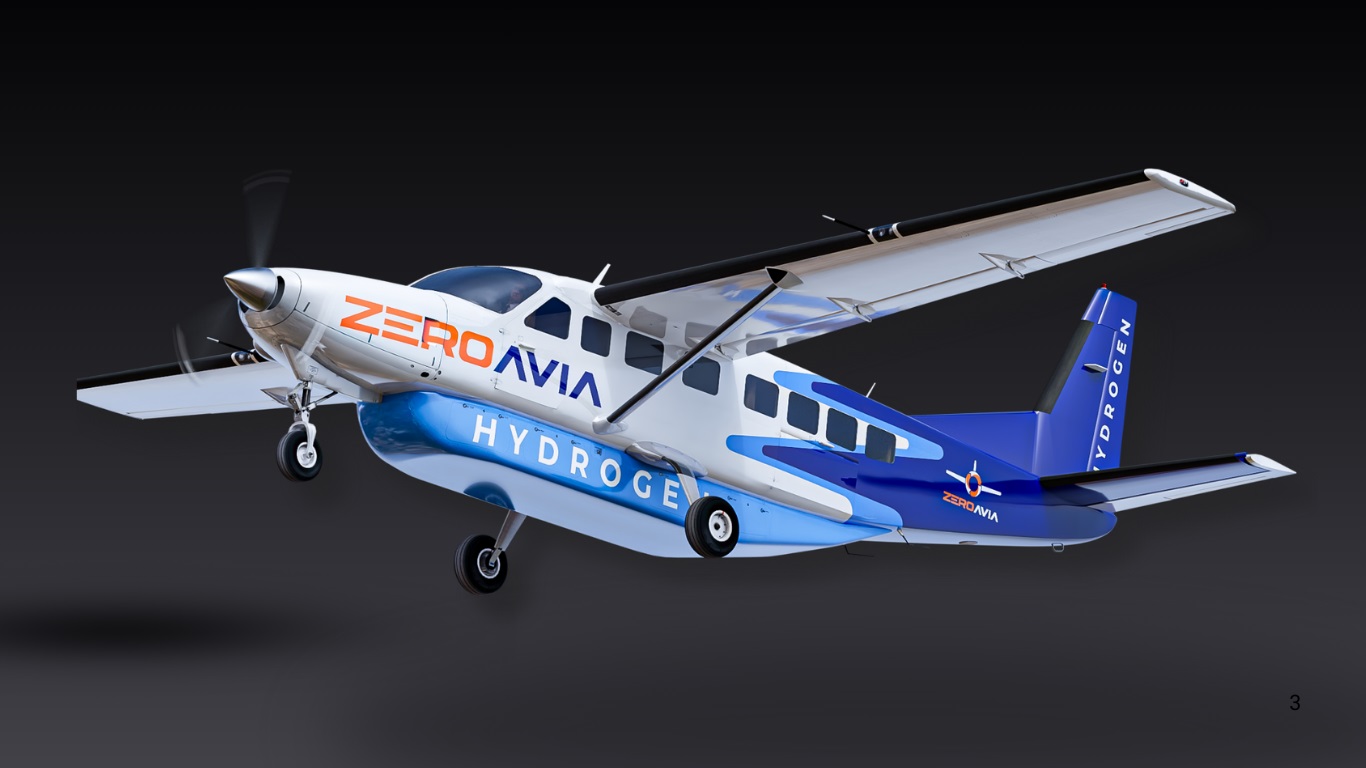
ZeroAvia today announced it has been selected by AFWERX for a Small Business Innovation Research (SBIR) grant to conduct a feasibility study focused on integrating hydrogen propulsion into Cessna Caravan aircraft alongside advanced aircraft automation technology.


Image courtesy ZeroAvia

AFWERX awards aim to address research questions with specific implications for the most pressing challenges in the US Department of the Air Force (DAF).  
 
ZeroAvia will analyse the potential for developing and delivering an 8,000 lb autonomous aircraft with hydrogen-electric propulsion for reduced engine noise and low thermal signature, thus significantly reducing detectability. Hydrogen fuel cells are a promising technology for improving the range, duration and turnaround time of a range of electric Unmanned Aerial Vehicles (UAV).  
 
Hydrogen has additional advantages as an aviation fuel as it can be produced at point of refueling given ready supply of electricity and water, which dramatically simplifies fuel logistics – a critical consideration for any defence applications. Finally, hydrogen has the highest energy per unit of weight of any chemical energy source, which allows for potential maximum range of over 2,000 nm (almost 4,000 km) in an autonomous aircraft of this type.  
 
Reliable Robotics – the California-based specialists in remote operation of aircraft – will support ZeroAvia in exploring relevant autonomous flight systems as part of the study.
 
The DAF began offering the Open Topic SBIR/STTR programme in 2018 which expanded the range of innovations the DAF funded and ZeroAvia has started its journey to create and provide innovative capabilities that will strengthen the national defence of the USA. The study will explore the integration potential and operational impacts of strategically important technologies in the shape of autonomy and fuel cells.  
 
ZeroAvia is advancing certification of a 600kW hydrogen-electric powertrain – ZA600, which uses fuel cells to convert hydrogen fuel into electricity to power electric motors – with civil regulators. The planned first airframe is the Cessna Caravan, manufactured by Textron. The company recently announced a significant regulatory milestone after receiving an FAA G-1 issue paper for its 600kW electric propulsion system.  
 
Val Miftakhov, Founder and CEO, ZeroAvia said: “It is a hugely important signal to see the US Air Force exploring the potential application of hydrogen fuel cells and electric propulsion in heavy unmanned aircraft. This feasibility study will provide greater insight into how hydrogen fuel cell propulsion can reduce detectability and costs of air operations, enhance capability of autonomous air vehicles and derisk fuel supply in forward operating environments.”

Related

UK SMEs risk falling behind in AI race, NatWest warns
Engineer male advance robotic machine designer team talking with electronic component part supplier business consulting in heavy machinery industry concept.
UK SMEs risk falling behind in AI race, NatWest warns
Larger businesses are adopting AI at nearly twice the rate of smaller firms, with NatWest warning that skills and investment barriers could leave many SMEs struggling to keep pace.
Aerospace Focus

1 Oct 2026

Why skilled returners can help meet defence job targets
Natalie Destry
Why skilled returners can help meet defence job targets
A new white paper published by STEM Returners and backed by Vice Admiral (Retd) Sir Martin Connell KCB CBE, is urging the UK Government to help bring experienced professionals back into the workforce and meet defence recruitment targets.
Royal Navy demonstrates ship-busting firepower with Naval Strike Missile and Sea Venom
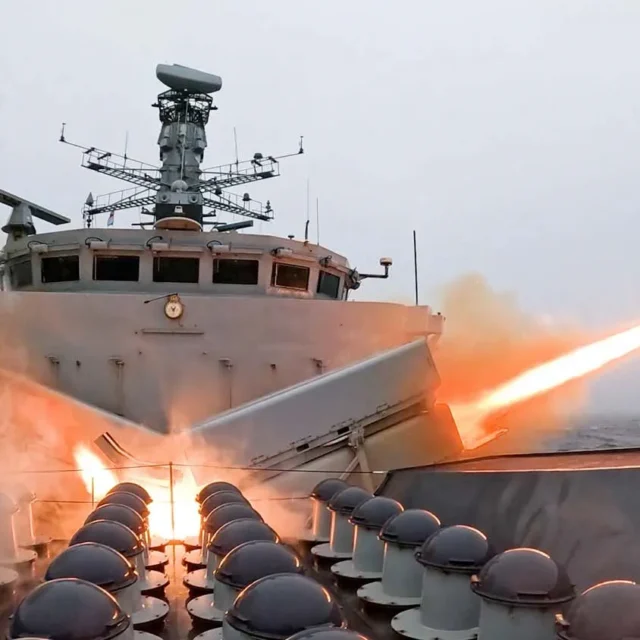
Image: MOD Crown Copyright/Royal Navy
Royal Navy demonstrates ship-busting firepower with Naval Strike Missile and Sea Venom
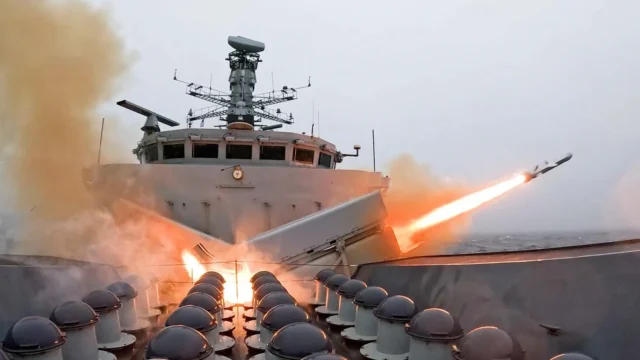
HMS Portland and her embarked Wildcat HMA2 demonstrated the Royal Navy’s evolving maritime strike capabilities during the sinking of the former-USS Krakring off the coast of Scotland as part of Exercise Atlantic Thunder 2026.
Aerospace Defence

30 Sep 2026

More than 25% of UK defence firms plan to invest £100m+ over the next year
UK Prime Minister Andy Burnham and Defence Secretary Wes Streeting visit BAE Systems' facility in Barrow-in-Furness, Scotland, on 30 July 2026. Image: MOD Crown Copyright/Lauren Hurley
More than 25% of UK defence firms plan to invest £100m+ over the next year
Over a quarter of UK defence firms will invest over £100 million in the next year, with air defence, counter-drone systems and cybersecurity as priorities.
Defence

1 Oct 2026

UK defence growth reshapes property market as demand for specialist space surges
An aerial image of the Appledore Shipyard in North Devon. Image: MOD Crown Copyright/Charlie Perham
UK defence growth reshapes property market as demand for specialist space surges
The UK’s ongoing defence expansion is creating a major demand for industrial, logistics, office and research and development space as property firms target defence occupiers.
Defence

1 Oct 2026

Why skilled returners can help meet defence job targets
Natalie Destry
Why skilled returners can help meet defence job targets
A new white paper published by STEM Returners and backed by Vice Admiral (Retd) Sir Martin Connell KCB CBE, is urging the UK Government to help bring experienced professionals back into the workforce and meet defence recruitment targets.
Filtronic wins SpaceX contract to support Starlink network
ground station
Filtronic wins SpaceX contract to support Starlink network
Sedgefield headquartered Filtronic has won a $68.1 million (£51.52m) order from SpaceX to support its Starlink network, highlighting the growing global demand for UK-developed space technology.
Member News Space

1 Oct 2026

Why skilled returners can help meet defence job targets
Natalie Destry
Why skilled returners can help meet defence job targets
A new white paper published by STEM Returners and backed by Vice Admiral (Retd) Sir Martin Connell KCB CBE, is urging the UK Government to help bring experienced professionals back into the workforce and meet defence recruitment targets.
Skyrora completes hot-fire test of scaled-down orbital vehicle systems
Skyrora-hot-fire test of scaled-down orbital vehicle systems
Skyrora completes hot-fire test of scaled-down orbital vehicle systems
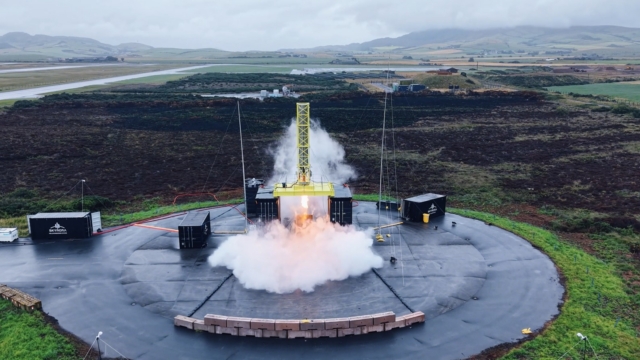
With its static hot-fire testing of a smaller scale version of its orbital launch vehicle, Skyrora is addressing engineering challenges and reducing technical risk, before scaling up the development of its Skyrora XL rocket programme.
Member News Space

30 Sep 2026

New tools to tackle prison drones, drugs and help offenders into work
National Police Chiefs Council photo of police on duty
New tools to tackle prison drones, drugs and help offenders into work
Lord Chancellor Alex Norris has announced a series of new measures aimed at tackling prison drones, curbing substance abuse and assisting offenders in securing work and accommodation.
Security

1 Oct 2026

UK policing’s first AI crime reporting system goes live in Cambridgeshire
AI online crime reporting test goes live in Cambridgeshire
UK policing’s first AI crime reporting system goes live in Cambridgeshire
The pilot uses conversational AI to gather crime reports, ask follow-up questions and submit a structured crime report directly into police systems.
Security

1 Oct 2026

British Transport Police extends facial recognition trial despite zero direct arrests
Operational Testing of Facial Recognition Technology
British Transport Police extends facial recognition trial despite zero direct arrests
BTP has extended its live facial recognition trial to the London Underground after more than 500,000 scans produced one false match and no direct arrests.
Security

1 Oct 2026