
General Atomics

ESM-2 set to power Artemis II crew to the Moon

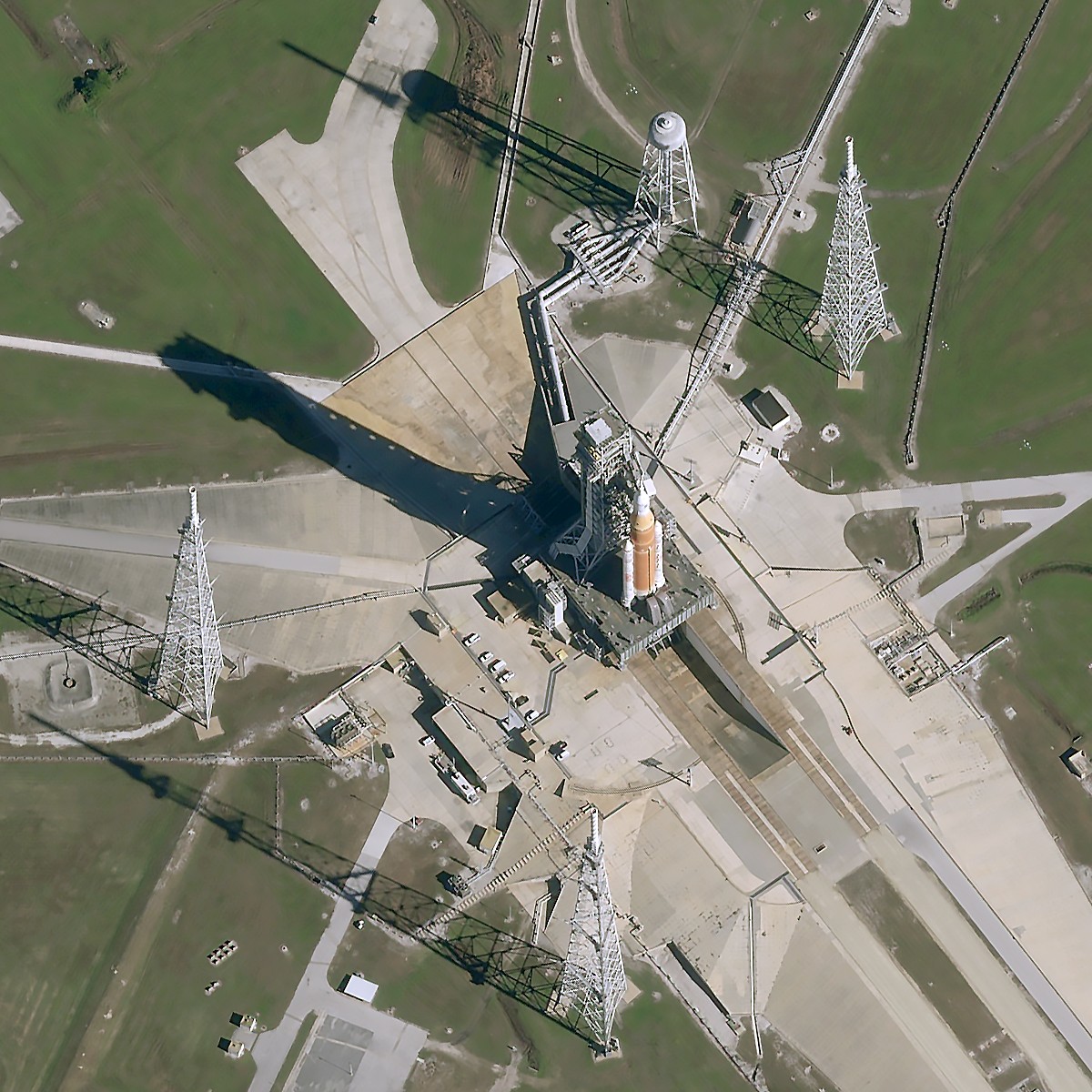
As the world prepares for the launch of Artemis II - the first crewed mission to the Moon in over 50 years - the Orion European Service Module (ESM-2) is fully integrated, fuelled and 'go' for flight.


Above: Pléiades Neo image. SLS rocket with Orion ESM at its launch pad at Kennedy Space Center for its upcoming launch of the Artemis II mission.
©Airbus DS 2026


The ESM is built by Airbus on behalf of the European Space Agency (ESA). Functioning as the powerhouse of NASA’s Orion spacecraft, the ESM-2 will provide propulsion, power, thermal control and the vital air and water needed for the four astronauts to survive in Space.

The mission, scheduled to launch from Kennedy Space Center, will send NASA astronauts Reid Wiseman, Victor Glover, Christina Koch and Canadian Space Agency (CSA) astronaut Jeremy Hansen on a 10-day journey around the Moon. Unlike the uncrewed Artemis I test, this mission places human lives directly in the hands of European engineering.

"The transition from Artemis I to Artemis II is the shift from a test vehicle to a living space," said Marc Steckling, Head of Earth Observation, Science and Space Exploration at Airbus. "When Reid Wiseman and his crew throttle up the ESM’s engines to leave Earth orbit, they are also trusting the work of hundreds of engineers across ten European nations to take them to the Moon and bring them home safely."

While Artemis I proved the structural integrity of the vehicle, Artemis II marks the debut of the ESM’s active life support capabilities.

  • Breathing and drinking: The ESM-2 carries 90 kg of oxygen and 240 kg of drinking water, which it will pump into the crew module to keep the astronauts alive.
  • Thermal Control: As the spacecraft faces the extreme temperature swings of deep space, the ESM’s active thermal control system will regulate the cabin temperature, keeping the crew comfortable.
  • Power Generation: The module’s signature four-bladed solar arrays will generate 11.2 kW of power – enough to supply the spacecraft and the new high-speed communication systems.
  • Propulsion: 33 engines onboard the ESM to provide thrust and propulsion to manoeuvre Orion to its destination.

Artemis II introduces ground-breaking technologies that were not present on previous flights, heavily relying on the ESM’s precision.

  1. High-Speed Laser Communication (O2O): The ESM provides the stable power required for the new Orion Optical Communications System (O2O). This laser-based technology will transmit data back to Earth at up to 260 megabits per second, enabling the crew to stream 4K ultra-high-definition video of the Moon in near real-time-a leap forward from the grainy footage of the Apollo era.
     
  2. Manual Piloting Demonstration: The crew will manually fly the Orion spacecraft during a ‘proximity operations demonstration’ in Earth orbit. Commander Reid Wiseman and Pilot Victor Glover will use hand controllers to direct the ESM’s 24 reaction control thrusters, testing how the 13-ton module performs under human command before embarking on the lunar trajectory.

Exactly how close the Artemis II crew will fly to the Moon will depend on when they launch. The Moon will be in a different spot for each of the possible launch dates and the exact distance will change accordingly, ranging from 6,400 to 9,000 kilometres above the lunar surface. This is tens of thousands of kilometres closer than any human has been in more than 50 years. 

When Orion flies behind the Moon, the Artemis II crew is expected to break the distance record set by Apollo 13 for the farthest any humans have ever been from Earth.

Airbus is already looking beyond this mission. ESM-3 in 2027 will test rendezvous and docking capabilities between Orion and commercial spacecraft needed to land astronauts on the Moon. Also, in 2028 ESM-4, destined to support the lunar landing of Artemis IV, is currently undergoing final integration at Kennedy Space Center (KSC). The ESM-4 was delivered to KSC in late 2025, while ESM-5 and ESM-6 are currently in production in Airbus’ Bremen cleanrooms with shipments slated for 2027 and 2028, thus ensuring a steady cadence for NASA’s long-term lunar presence.

The ESM is a cylinder approximately four metres high and wide. It has a distinctive drive system comprising one main engine (a repurposed Space Shuttle OMS engine), eight auxiliary engines and 24 smaller thrusters for attitude control. It is built by Airbus as the prime contractor for the European Space Agency (ESA), with final assembly in Bremen, Germany.

Related

Southend Airport appoints Sharmeen Divan as Interim CEO
Sharmeen Divan
Southend Airport appoints Sharmeen Divan as Interim CEO
As London Southend progresses in the next phase of its growth, the UK’s fastest growing airport has appointed Sharmeen Divan as its Interim CEO.
Aerospace

7 Oct 2026

Open Cosmos plans 192-satellite ConnectedCosmos LEO constellation by 2030
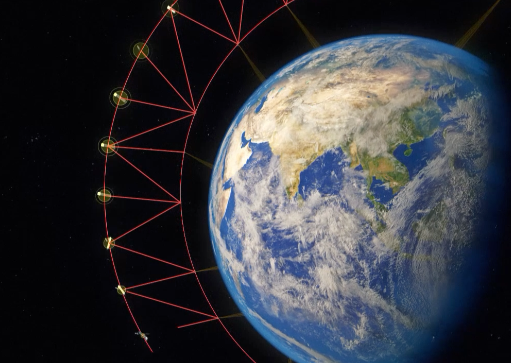
Open Cosmos will build a core constellation of 192 low Earth orbit satellites by 2030
Open Cosmos plans 192-satellite ConnectedCosmos LEO constellation by 2030
Open Cosmos will build a core network of 192 ConnectedCosmos satellites by 2030, as it expands its secure low Earth orbit (LEO) communications network following a €300 million funding round.
British Army trials tactical drone warfare skills in first “Drone Wars” competition
Tpr Harvey Chilman, Queen's Royal Hussars, flew his FPV drone to strike an enemy position during 'Drone Wars' competition. Image: MOD Crown Copyright/British Army
British Army trials tactical drone warfare skills in first “Drone Wars” competition
Held at Sandhurst, the competition showcased how drones are being integrated into reconnaissance, targeting and support roles as the Army adapts to emerging battlefield technologies.
Aerospace Defence

6 Oct 2026

Industry urged to back 30% growth in UK Cadet Forces by 2035
Defence Talks podcast - cadet week episode
Industry urged to back 30% growth in UK Cadet Forces by 2035
The ambition to add 40,000 more cadets over the next decade will require new volunteers, modern facilities, digital tools and stronger employer partnerships.
Defence

7 Oct 2026

Inside Strike Warrior 26: British Commandos launch from German submarine off Scotland
British Commandos from 148 Battery prepare to board a German submarine during SW26 on 29 September 2026. Image: MOD Crown Copyright/LPhot Hutchins
Inside Strike Warrior 26: British Commandos launch from German submarine off Scotland
British Commandos have deployed from a German Navy submarine during Exercise Strike Warrior 2026, testing NATO’s ability to deliver integrated effects from sea to shore.
Defence

7 Oct 2026

SubSea Craft appoints Chris White as Managing Director of SubSea Craft Australia
SubSea Craft Australia's facility
SubSea Craft appoints Chris White as Managing Director of SubSea Craft Australia
In a move set to strengthen its Australian presence and its capability to support programmes such as AUKUS, SubSea Craft has appointed Chris White as Managing Director of SubSea Craft Australia.
Defence Member News

7 Oct 2026

Excelerate Technology to build UK CNI robotic security solution
Satellite in Earth orbit
Excelerate Technology to build UK CNI robotic security solution
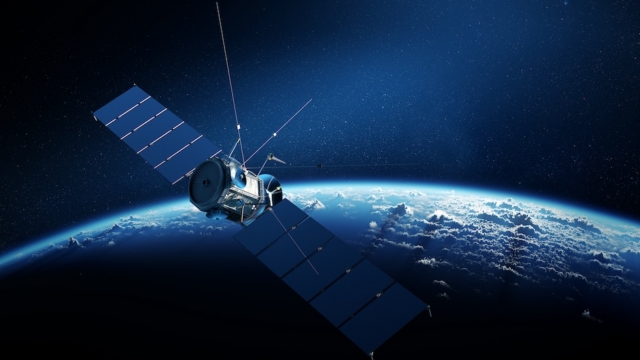
In a project co-funded by the European Space Agency Business Applications and Space Solutions (ESA BASS) and supported by the UK Space Agency, Excelerate Technology will build and demonstrate how space-enabled assets can provide innovative safety and security solutions, including protection of Critical National Infrastructure (CNI) at a site in the UK.
World Space Week: How British technology will help ESA return to the Moon
ESA Argonaut
World Space Week: How British technology will help ESA return to the Moon
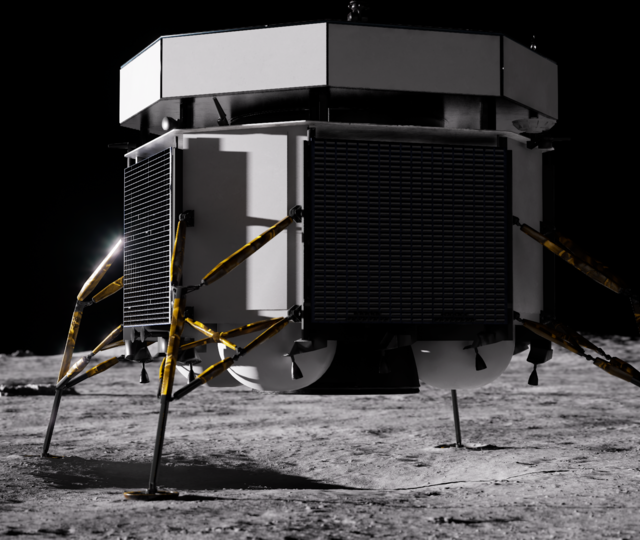
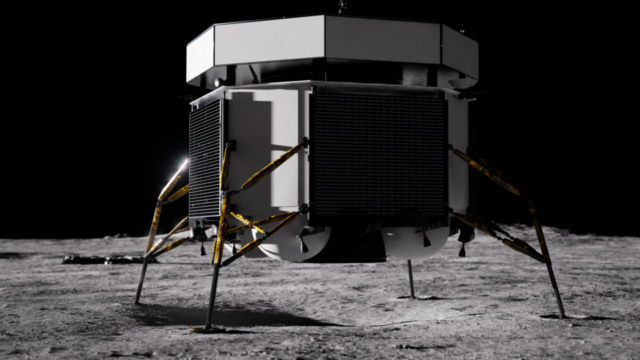
As Europe prepares to return to the Moon, British-developed LEIA LiDAR technology will help ESA's Argonaut lander autonomously identify safe touchdown zones on the lunar surface.
Space

5 Oct 2026

Airbus delivers first next-generation satellites for OneWeb constellation
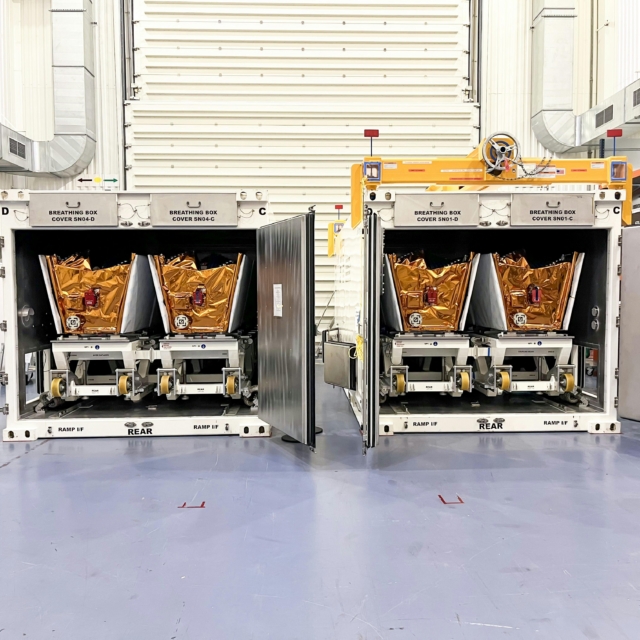
OneWeb satellites in transport container at Airbus
Airbus delivers first next-generation satellites for OneWeb constellation
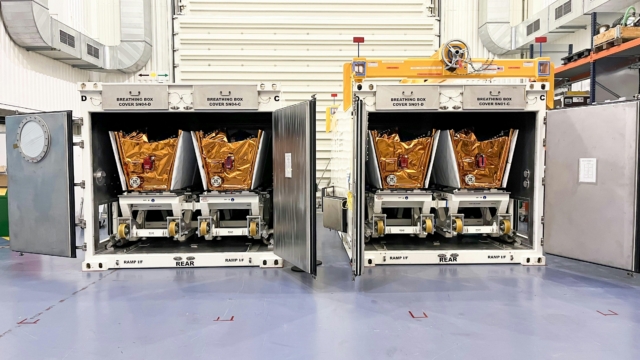
A new generation of OneWeb spacecraft is heading for launch, helping Eutelsat sustain and expand its low Earth orbit connectivity network for governments, businesses and institutions worldwide.
Member News Space

5 Oct 2026

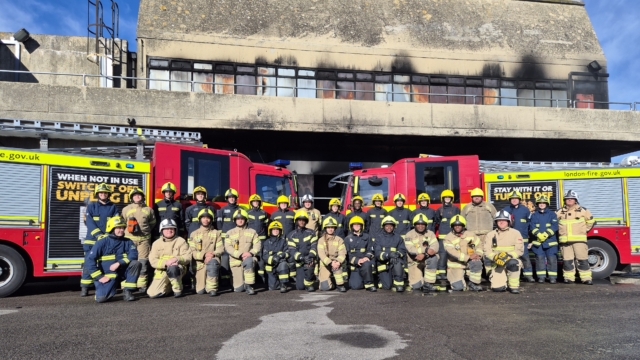
London Fire Brigade Cadets gain practical skills at firefighting weekend
Capita Fire Service College, Moreton-in-Marsh, firefighting weekend.
London Fire Brigade Cadets gain practical skills at firefighting weekend
Continuing its longstanding support for London Fire Brigade’s Fire Cadets, Securitas UK has given 16 young people practical training at its ninth annual firefighting weekend, held at the Capita Fire Service College in Moreton-in-Marsh.
Member News Security

7 Oct 2026

Cyacomb launches counter-terrorism platform to identify terrorist content on digital devices
Digital security.
Cyacomb launches counter-terrorism platform to identify terrorist content on digital devices
A new counter-terrorism capability developed by Edinburgh-based Cyacomb can help investigators rapidly identify known terrorist material on digital devices, as online radicalisation creates new challenges for law enforcement services.
Member News Security

7 Oct 2026

RAF Barnham future uncertain as police seek to retain training facility
RAF Barnham
RAF Barnham future uncertain as police seek to retain training facility
Norfolk and Suffolk Police are fighting to retain former RAF Barnham after the government marked the MoD-owned site to accommodate asylum seekers.
Defence Security

7 Oct 2026