RAF Barnham future uncertain as police seek to retain training facility


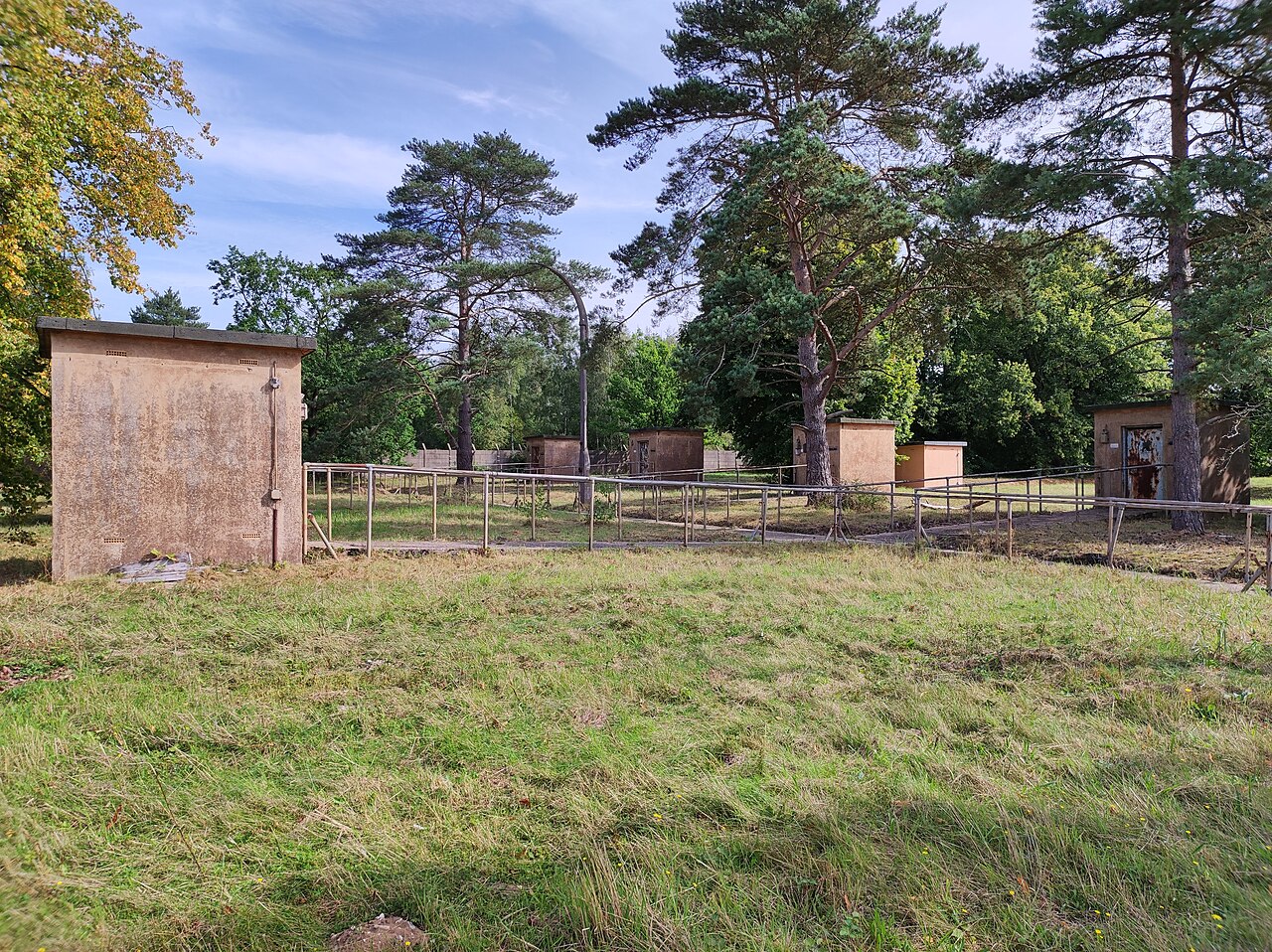
Police are seeking to retain a former RAF base used for specialist operational training after the government identified the site as potential accommodation for up to 1,250 asylum seekers.
RAF Barnham in Suffolk is owned by the Ministry of Defence and leased to Norfolk and Suffolk Police, which use the former military site for public order and tactical training.
The two forces had planned to buy the site from the MoD before the Home Office announced in June that Barnham was one of three former military locations considered for asylum accommodation.
The dispute has now intensified over when police will have to leave.
According to the BBC, Suffolk Police and Crime Commissioner Tim Passmore has pledged to fight to keep the facility and said the force has not received formal notice terminating its lease.
The MOD told the BBC it had been engaging regularly with Suffolk Police and that “notice has been provided in line with the existing arrangements.”
Advance asked the Ministry of Defence to clarify whether the police lease has formally been terminated, when the forces would be required to leave and whether an alternative training site has been identified.
An MOD spokesperson said: “RAF Barnham remains a Ministry of Defence site. We have been engaging regularly with Suffolk Police, and notice has been provided in line with the existing arrangements.”
The MOD added that officials of the Defence Infrastructure Organisation have been in regular contact with Suffolk Police regarding the site and its future occupation. Suffolk Police were informed in April 2026, triggering the notice to process. Notice was re-issued by DIO in July. The Police’s Tenancy at Will was terminated on 31 July of this year.
If RAF Barnham is deemed suitable for asylum accommodation, it would be sold to the Home Office. However, no final decision has been reached on the sites future use.
Why is RAF Barnham important to police?
RAF Barnham is not simply being used as office or accommodation space.
Norfolk and Suffolk Police operate it as a specialist training centre. A Suffolk Police and Crime Commissioner’s annual report shows that a temporary lease was taken on the site to establish a joint public order training facility.
It provides external hard-standing space for public order exercises, an area for tactical training and a dedicated building for briefing and storage.
The forces warned the government in August that losing the facility could pose a “critical risk” to their operations.
In a letter to policing minister Sarah Jones, reported by the BBC and ITV News Anglia, the forces described RAF Barnham as a “critical policing asset that underpins the delivery of specialist training across our two constabularies.”
“These capabilities cannot simply be transferred into standard training environments without significant compromise and disruption,” they said.
Police also warned that they could need up to six months to vacate Barnham safely and find a replacement without causing “significant detriment to policing capabilities” at local, regional and national level.
Until the Home Office proposal emerged in June, Norfolk and Suffolk Police had planned to purchase the site from the MoD.
Why does the government want RAF Barnham?
The Home Office announced in June that it was considering RAF Barnham alongside former military sites at Bicester in Oxfordshire and Linton-on-Ouse in North Yorkshire as part of efforts to reduce the use of hotels to accommodate asylum seekers.
The government said the three sites could eventually accommodate around 3,750 people, subject to feasibility assessments, planning permission and other approvals. RAF Barnham alone could accommodate up to 1,250 asylum seekers.
West Suffolk Council’s summary of the proposal says the Home Office subsequently submitted an Urgent Crown Development application to the Ministry of Housing, Communities and Local Government.
The process allows the government, rather than the local council, to determine the planning application where development is considered urgent and of national importance.
West Suffolk Council has unanimously opposed using Barnham for asylum accommodation, citing its rural location, limited infrastructure, transport constraints and pressure on local services.
The council stresses, however, that the application’s submission does not imply a final decision has been taken.
What was RAF Barnham originally built for?
Barnham also has an unusual place in Britain’s Cold War history. The former RAF station became one of Britain’s most important early nuclear weapons facilities after the introduction of Blue Danube, the UK’s first operational atomic bomb.
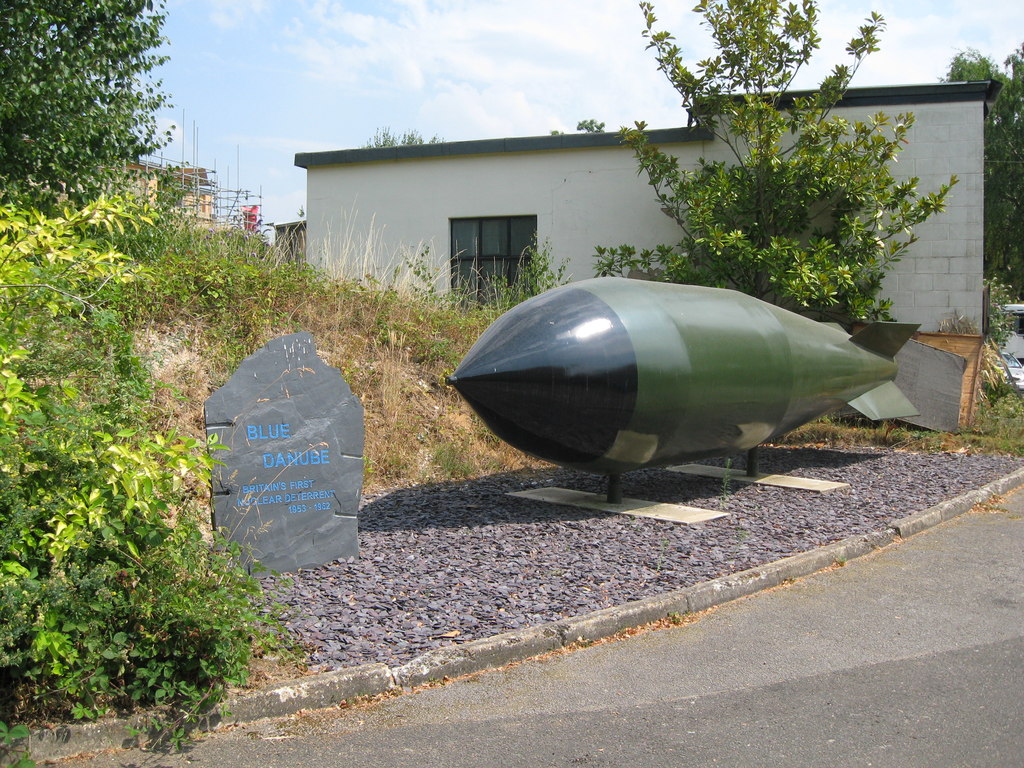
According to the Suffolk Heritage Explorer, the Special Storage Unit at RAF Barnham was developed in the 1950s to store spare nuclear weapons and provide maintenance and refurbishment support for RAF bomber bases.
The facility was designed to support the UK’s V-bomber force and handled weapons including Blue Danube and later Red Beard and Yellow Sun.
Its nuclear weapons role declined following the introduction of the Blue Steel stand-off missile in the early 1960s. The maintenance unit closed in 1963.
Parts of the former nuclear storage complex survive and are protected for their historical importance.
The section now at the centre of the dispute has remained in government ownership and has been used by the police for specialist training.
Police warn specialist capability cannot easily be replaced
The central issue for Norfolk and Suffolk Police is not merely finding another building.
The forces say Barnham provides the physical environment needed for specialist tactical and public order exercises and that moving those capabilities into conventional training facilities would cause significant disruption.
That leaves the MOD and Home Office facing questions over where the training will go if the government proceeds with its asylum accommodation plans.
The MOD tells Advance that it is not within its purview to identify alternative training locations for police activity. They added that Suffolk Police have previously indicated that they have identified potential alternative sites.
For now, at least, the future of the former RAF base remains unresolved.
Sign up for our newsletter and get our latest content in your inbox.
Similar Reads





Sign up for our newsletter. Select all sectors relevant to you.
Related