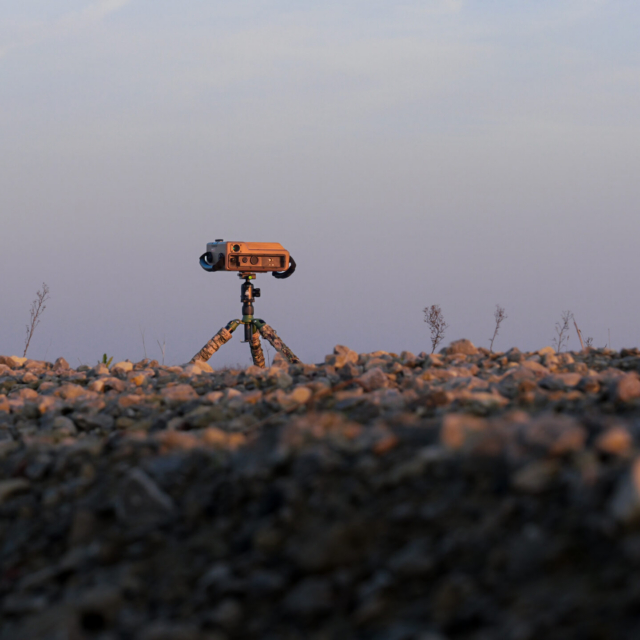
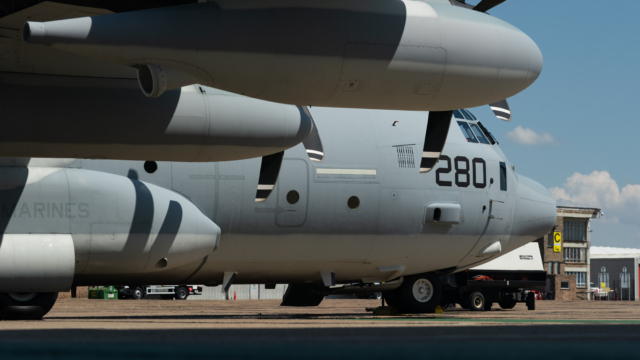
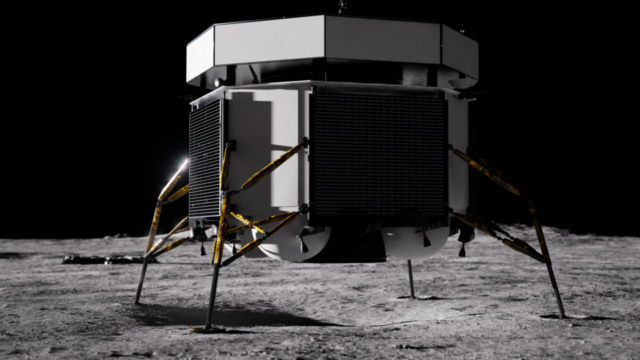
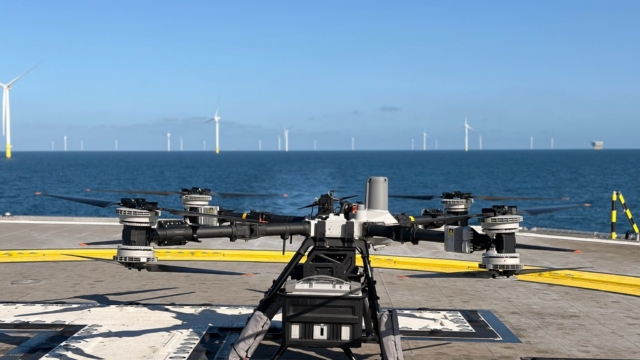
Image courtesy ATLAS ELEKTRONIK UK
This collaboration rigorously assessed AEUK’s cutting-edge autonomous navigation system, ARCIMS, delivering critical insights into its decision-making capabilities and compliance with the International Regulations for Preventing Collisions at Sea (COLREGs). ARCIMS, a leading-edge maritime platform designed for modularity and adaptability, offers advanced capabilities for autonomous mine warfare and unmanned vessel operations. Leveraging its proprietary SEAS testbed, BMT evaluated the ARCIMS system’s ability to operate safely and effectively in complex and dynamic maritime environments.
BMT’s SEAS testbed enabled the testing of AEUK’s system in detailed synthetic maritime environments, replicating complex operational scenarios under controlled, repeatable conditions. By providing robust assurance through this innovative approach, BMT has supported the system’s readiness for certification and deployment, advancing the safe integration of autonomous systems in real-world maritime operations.
This collaboration addressed a pivotal challenge in maritime autonomy – ensuring that the autonomous navigation system meets the stringent requirements of COLREGs compliance. Using BMT’s SEAS platform, AEUK’s system was tested in a wide array of high-pressure scenarios designed to stress-test its algorithms and reveal actionable insights for refinement.
“BMT’s partnership with ATLAS ELEKTRONIK UK underscores the importance of simulation-based assurance in developing safe, reliable autonomous systems,” said Will Alexander, Campaign Lead for Maritime Autonomous Systems at BMT and a master mariner and hydrographic surveyor.
“Building trust in AI decision-making is equally vital. Trustworthy AI must be embedded into the foundation of autonomous systems, and this project exemplifies how that principle is part of the very DNA of our SEAS testbed, ensuring systems are not only compliant but also capable of making informed, seamanlike decisions in dynamic maritime environments.”
BMT’s work in this collaboration also highlights its role in supporting the progress of maritime autonomous systems (MAS) compliance. BMT provides technical input into the UK’s Defence Maritime Regulator (DMR) guidelines and tools, maintaining positions on influential groups such as the Society of Maritime Industries Autonomy Council and the Maritime Autonomous Systems Regulatory Working Group. This commitment reinforces BMT’s influence in shaping the future of autonomous maritime safety and standards.
The SEAS testbed project delivered vital optimisation and value to AEUK, the UK Naval Authority Technical Group (NATG), and the broader maritime community. By using advanced simulation capabilities, BMT reduced the costs and risks associated with live testing and provided essential evidence for the system’s certification. The testing defined safe operational envelopes and identified areas for algorithmic refinement, ensuring confidence in the system’s deployment.
ATLAS ELEKTRONIK UK’s Principal Software Engineer for Command, Control, and Autonomy Systems, Ian Renton, reflected on the collaboration: “In my view, this type of exercise is an invaluable addition to our existing test procedures. Working with specialist navigators and running scenarios specifically tailored to catch COLREGs ‘edge’ cases allowed us to identify areas for improvement in future algorithm versions. I was pleased to hear it said several times that our vessel was making safe decisions and, in some cases, clever solutions, while maintaining COLREGs compliance and safe standoff from other vessels.”
Stephen Perry, from the UK Ministry of Defence (MOD) Naval Authority and Technology Group (NATG) – Propulsion, Manoeuvring & Navigation Systems, then concluded: “Establishing the MASS SEAS assurance methodology has enabled the Naval Authority (NA), as the safety certifying body for MOD shipping, to delegate the assessment of the COLREG capability of innovate new platforms using cutting edge technology to a Recognised Organisation (RO). The RO provides an independent third-party report, compiled using an approved syllabus of tailored tests conducted in a Type-Approved high-fidelity synthetic environment, which enables the NA to define a safe operating envelope and certification for the MASS. MASS SEAS is one of the tools enabling the UK MOD to establish one of the world’s first frameworks for the certification of marine autonomy.”
BMT’s influence in maritime autonomy
Accelerating the safe introduction of MAS is a critical priority for the defence sector, and BMT is at the forefront of this transformation. With expertise in simulation, maritime engineering, and significant contributions to UK defence regulation and MAS compliance, BMT continues to be a trusted partner in advancing autonomous systems. By leveraging cutting-edge technologies, regulatory insights, and decades of maritime expertise, BMT ensures that MAS are developed and deployed with safety, efficiency, and the trust of operators and stakeholders at their core.
This partnership builds on BMT’s legacy of innovation, exemplified by its globally recognised REMBRANDT technology, which has set new benchmarks for navigation risk assessment and immersive simulation. Through this bilateral and unique combination of innovation and operational excellence, BMT remains a driving force in shaping the future of maritime autonomy.
For more insights on BMT’s role in advancing maritime autonomy, visit
BMT MAS Services.
For deeper and conceptual insights, explore BMT’s white paper “How Safe is Safe Enough?”, which addresses critical issues in the advancement of maritime autonomous systems:
How Safe is Safe Enough?.