

RAF Poseidon completes first UK North Pole mission during NATO High North training


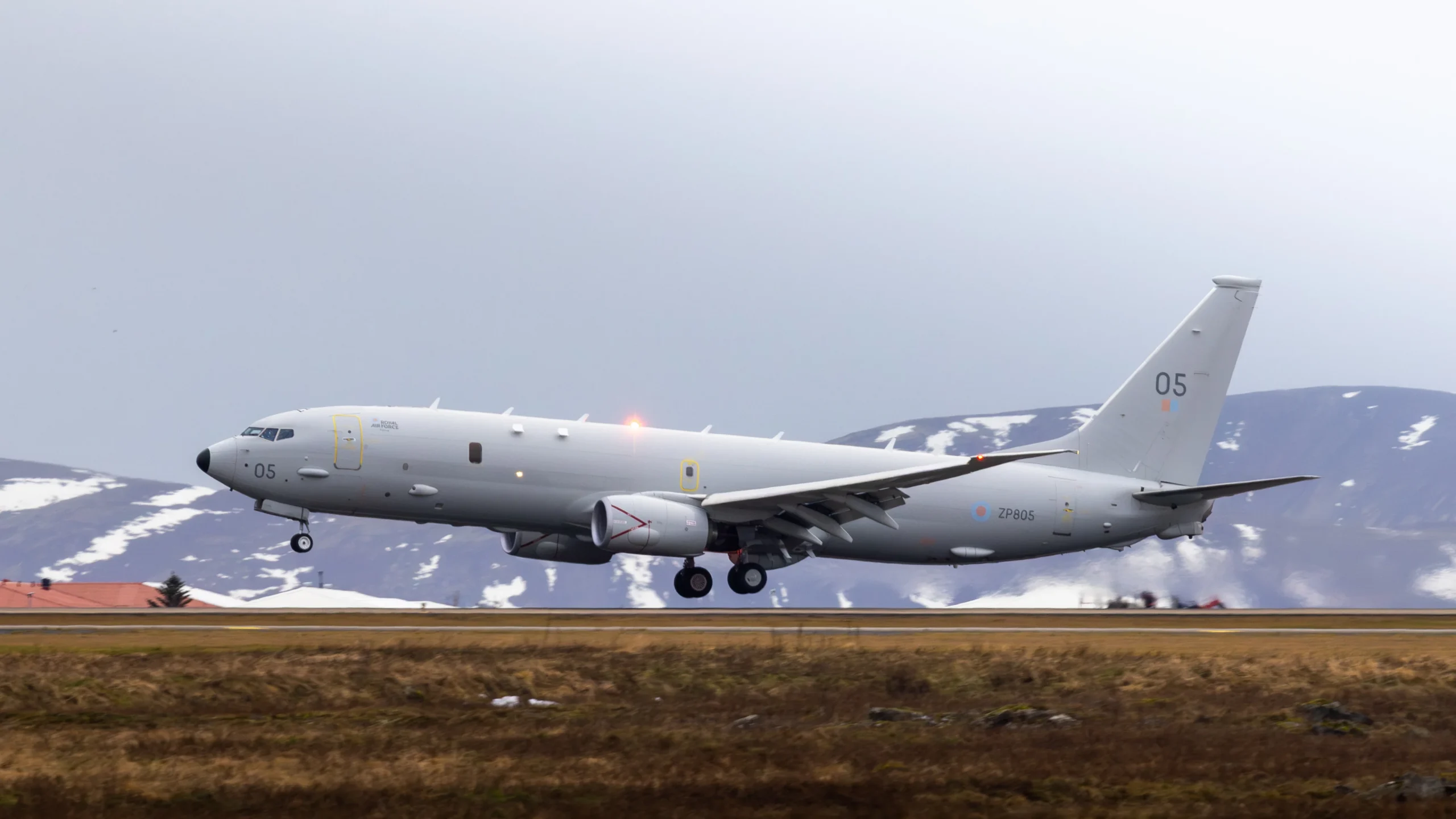
A Royal Air Force P-8A Poseidon has flown to the North Pole for the first time, marking a milestone for the UK’s maritime patrol aircraft fleet and demonstrating its ability to operate deep into the High North.
The mission was carried out by a crew from 42 (Torpedo Bomber) Squadron during Exercise Midnight Warrior, which formed part of the RAF’s first Poseidon Qualified Weapons Instructor Course (QWIC).
Operating from Evenes Air Base in northern Norway, RAF personnel trained alongside allied aircrews from Norway, Germany and the Netherlands. The course was designed to test crews through demanding operational sorties and tactical assessments, while strengthening integration between NATO partners operating in the North Atlantic and Arctic regions.
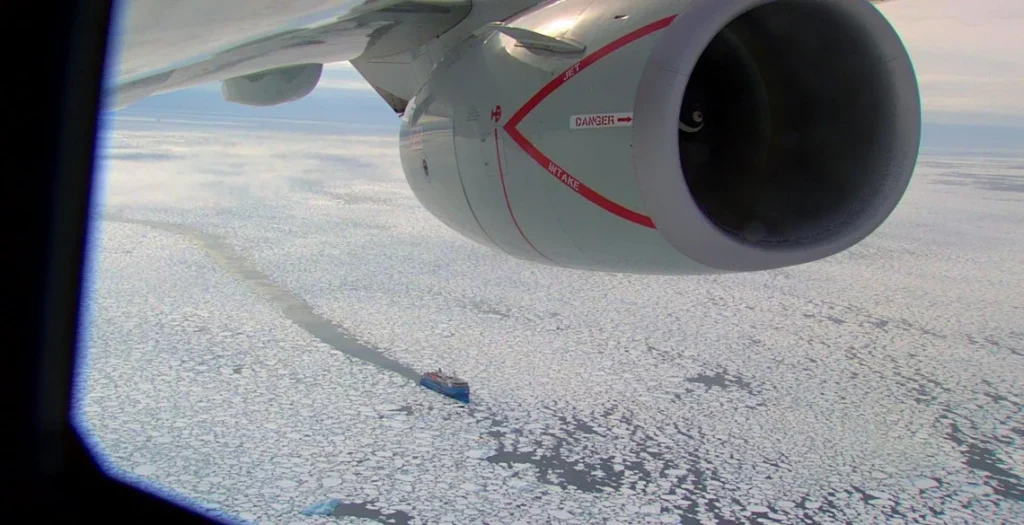
The RAF said the flight pushed both aircraft and crew into challenging environmental conditions, with extreme cold, complex navigation and continuous daylight all forming part of the operating environment.
“Flying the first UK Poseidon mission to the North Pole has been a career highlight,” said Flight Lieutenant Lee, a QWIC trainee. “The continuous daylight and stunning Arctic scenery made for some of the most memorable flying I’ve experienced. This exercise proved the RAF ability to project power and maintain situational awareness in one of the world’s most challenging theatres.”
RAF tests Poseidon reach in the High North
The North Pole flight was more than a symbolic first. It demonstrated the RAF’s ability to deploy and sustain Poseidon operations from northern Norway into the High North, a region that has become increasingly important to NATO maritime security.
Exercise Midnight Warrior also saw the RAF Poseidon work with three NATO warships and a NATO submarine off Bergen, reinforcing the aircraft’s role in anti-submarine warfare and maritime surveillance.
The RAF said the exercise demonstrated its capacity to conduct sustained operational sorties from deployed locations in the North Atlantic and High North. It also highlighted the importance of working closely with the Royal Norwegian Air Force, which operates its own P-8A fleet from Evenes.
The first Poseidon QWIC involved five students and was intended to deepen tactical expertise on the aircraft. According to the RAF, the course tested “platform mastery” and helped strengthen operational skills, teamwork and the aircraft’s ability to operate in complex environments.
Future exercises are expected to build on the work carried out during Midnight Warrior, with the RAF aiming to improve its ability to operate seamlessly alongside NATO allies in demanding maritime theatres.
Why the P-8A Poseidon matters to the RAF
The P-8A Poseidon is based on the Boeing 737 Next Generation and was developed by the US Navy as a replacement for the ageing P-3 Orion maritime patrol aircraft.
The UK purchased a fleet of nine P-8As after the cancellation of the Nimrod MRA4 programme in 2010, restoring a long-range maritime patrol and anti-submarine warfare capability that is central to the protection of the UK’s maritime approaches.
In RAF service, the Poseidon is used for roles including anti-submarine warfare, maritime surveillance, search and rescue support, and the protection of naval forces. Its sensors, mission systems and weapons are designed to allow crews to detect, track and, if required, prosecute hostile submarines and surface vessels.
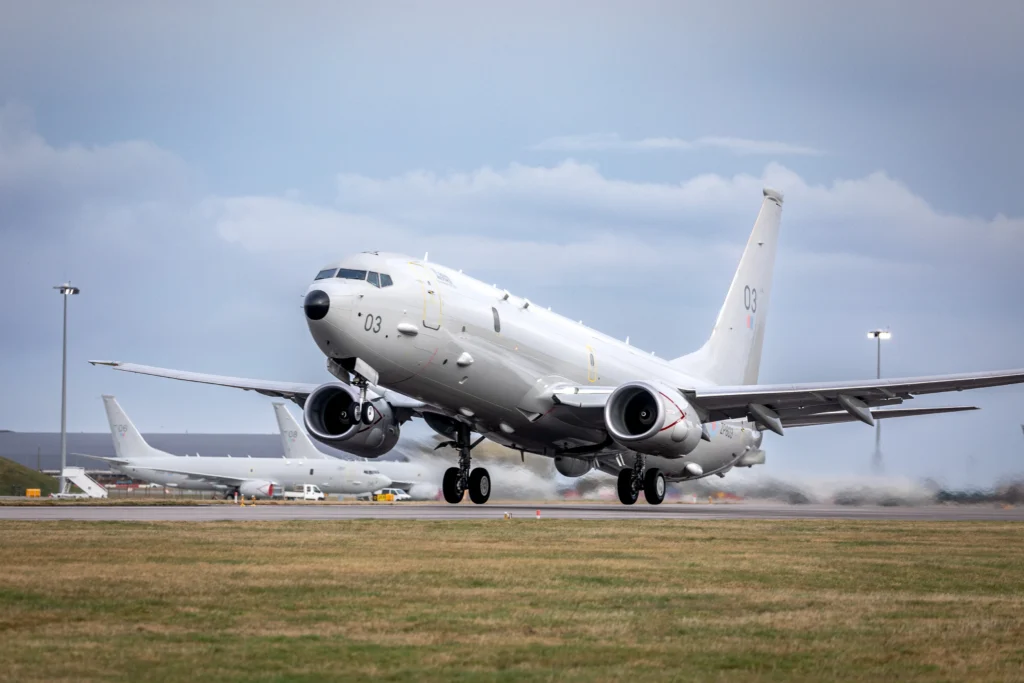
The aircraft is particularly important in the North Atlantic and around the GIUK Gap, the stretch of strategically important waters between Greenland, Iceland and the UK. During the Cold War, this area was central to NATO efforts to monitor Soviet submarine movements into the Atlantic. Today, it remains a vital region for tracking Russian naval activity and protecting transatlantic sea lanes.
NATO builds a shared Poseidon community
The RAF’s deployment to Norway also underlines the growing importance of the P-8A within NATO.
Norway operates five P-8As with 333 Squadron, while Germany is currently receiving its own fleet of Poseidons. The Netherlands does not operate the aircraft, but its involvement in the QWIC reflects the wider NATO effort to improve maritime patrol, anti-submarine warfare and allied integration in northern waters.
For the UK and Norway, Poseidon cooperation is especially important because both countries share responsibility for monitoring activity across the North Atlantic and High North. Operating from Norwegian bases gives RAF crews access to a demanding but strategically important environment, while allowing both air forces to develop common tactics and procedures.
The RAF said its partnership with the Royal Norwegian Air Force continues to maximise the aircraft’s “lethality and operational effect”.
The North Pole mission represents more than a first for the RAF’s Poseidon fleet. It shows how the UK is using the aircraft to rebuild high-end maritime patrol skills, strengthen NATO anti-submarine warfare capability and extend its reach into one of the Alliance’s most strategically sensitive regions.
Sign up for our newsletter and get our latest content in your inbox.
Similar Reads

![AAC Wildcat AH1 during Ex Khanjar Oman 2021 [MOD CC - SAC Charlotte Hopkins] (CROP)](https://www.adsadvance.co.uk/wp-content/uploads/2026/08/AAC-Wildcat-AH1-during-Ex-Khanjar-Oman-2021-MOD-CC-SAC-Charlotte-Hopkins-CROP-640x640.jpg)

Sign up for our newsletter. Select all sectors relevant to you.
Related