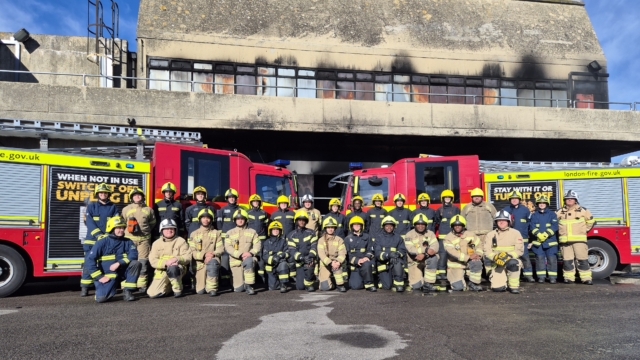


HMS Queen Elizabeth becomes NATO’s flagship for Allied Maritime Reaction Force


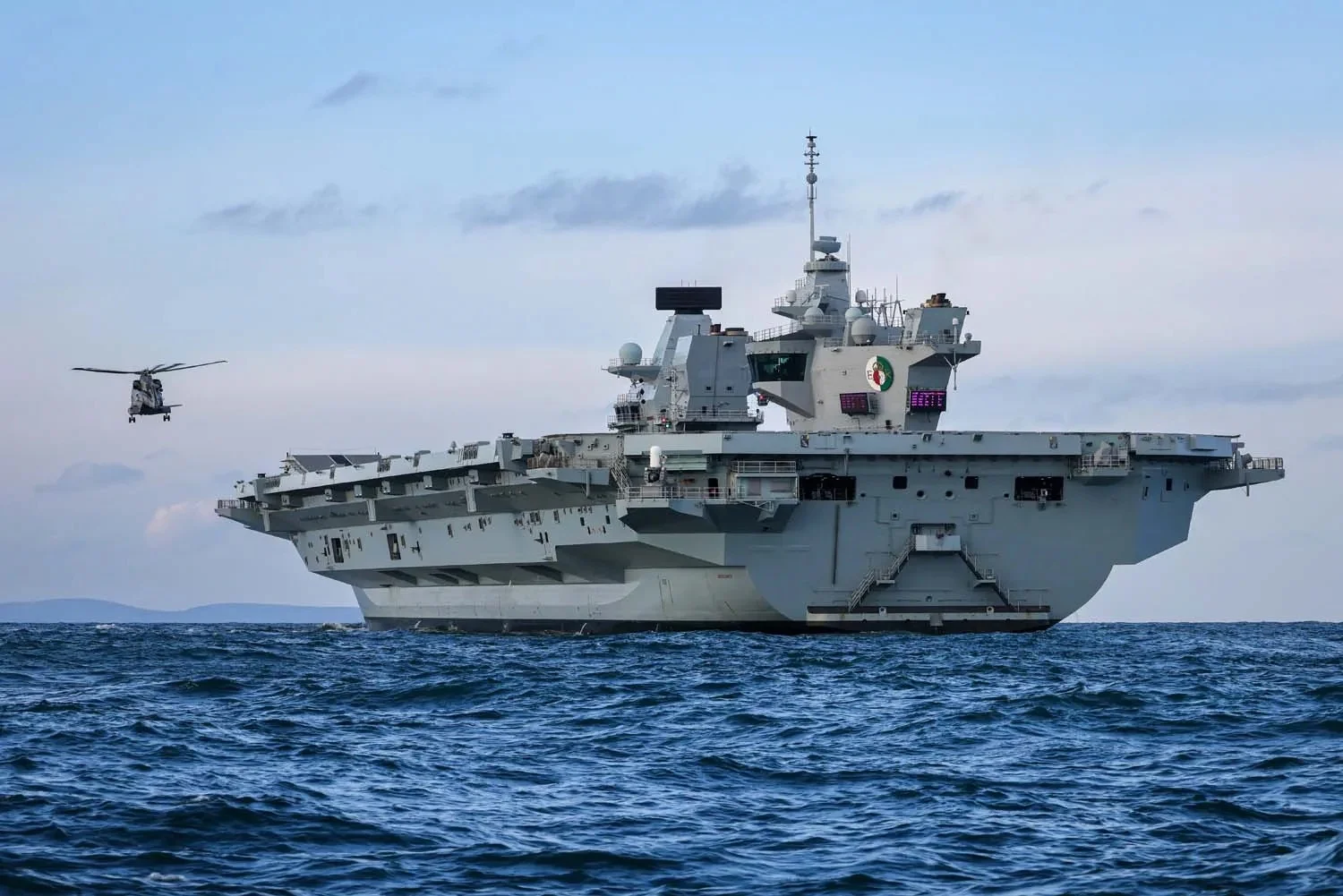
The Royal Navy has assumed command of NATO’s Allied Reaction Force (Maritime), placing the UK at the centre of the Alliance’s high-readiness naval response capability for the next 12 months as NATO strengthens its ability to respond rapidly to crises across Europe and the North Atlantic.
The transfer of command comes at a time when Britain is taking on an increasingly prominent role within NATO.
Alongside leading the Alliance’s maritime reaction force, the UK has also assumed command of NATO’s high-readiness special operations force for the first time, while a separate Royal Navy carrier strike group is conducting operations in the High North to reinforce security around Iceland and the wider North Atlantic.
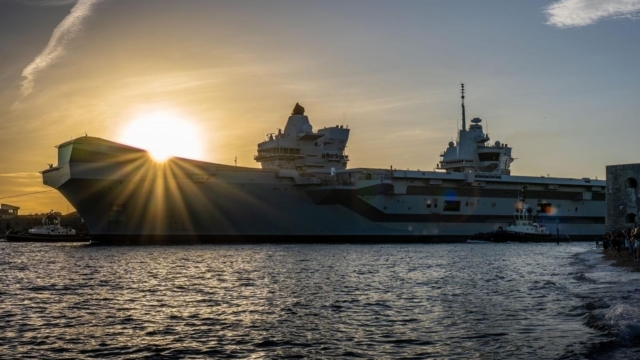
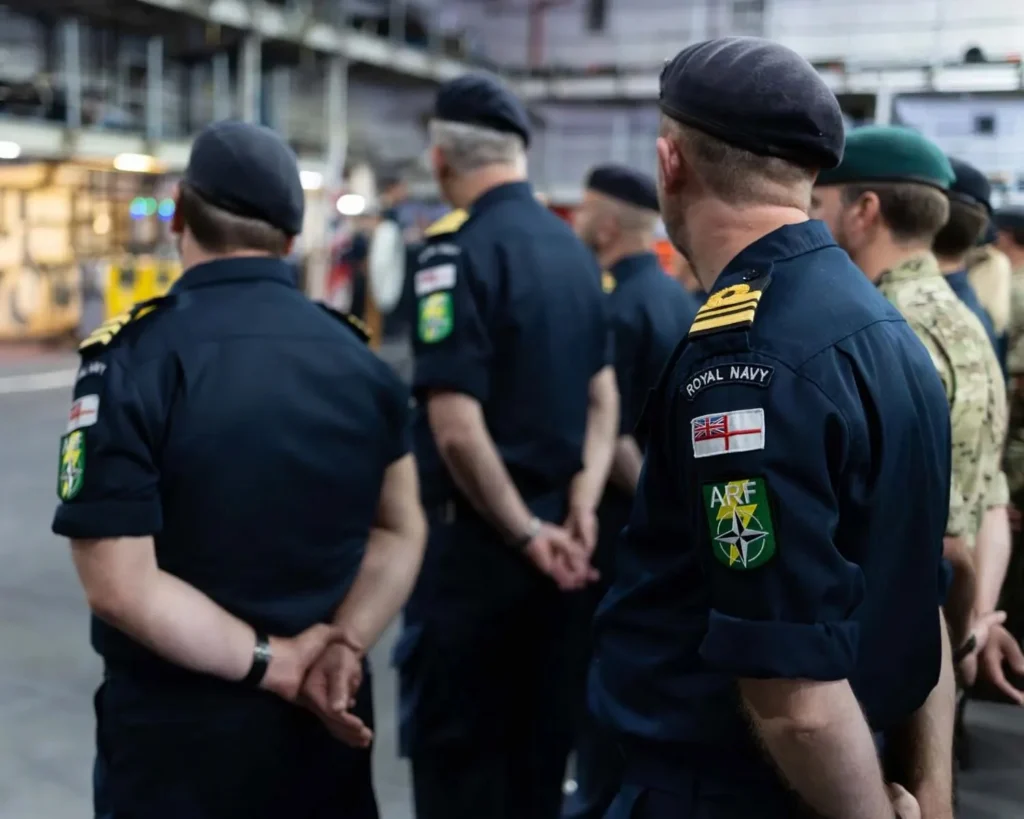
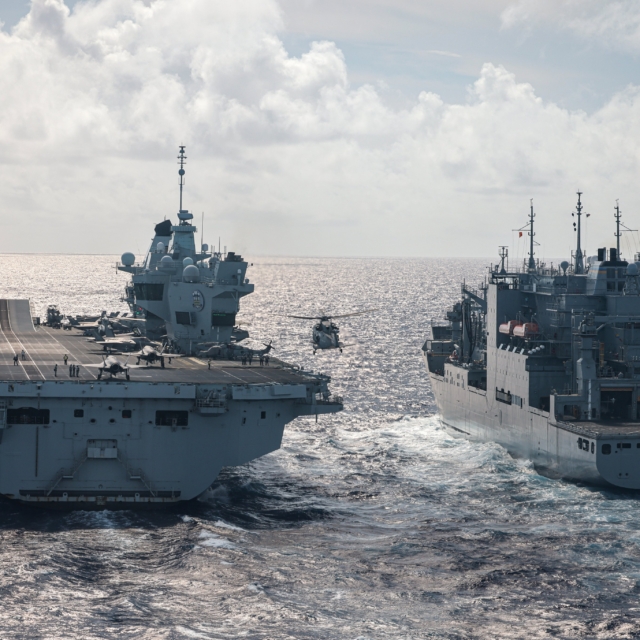
A ceremony at Portsmouth Naval Base saw the NATO flag raised aboard HMS Queen Elizabeth, which will serve as the Afloat Command Platform for the maritime component of the Allied Reaction Force (ARF(M)).
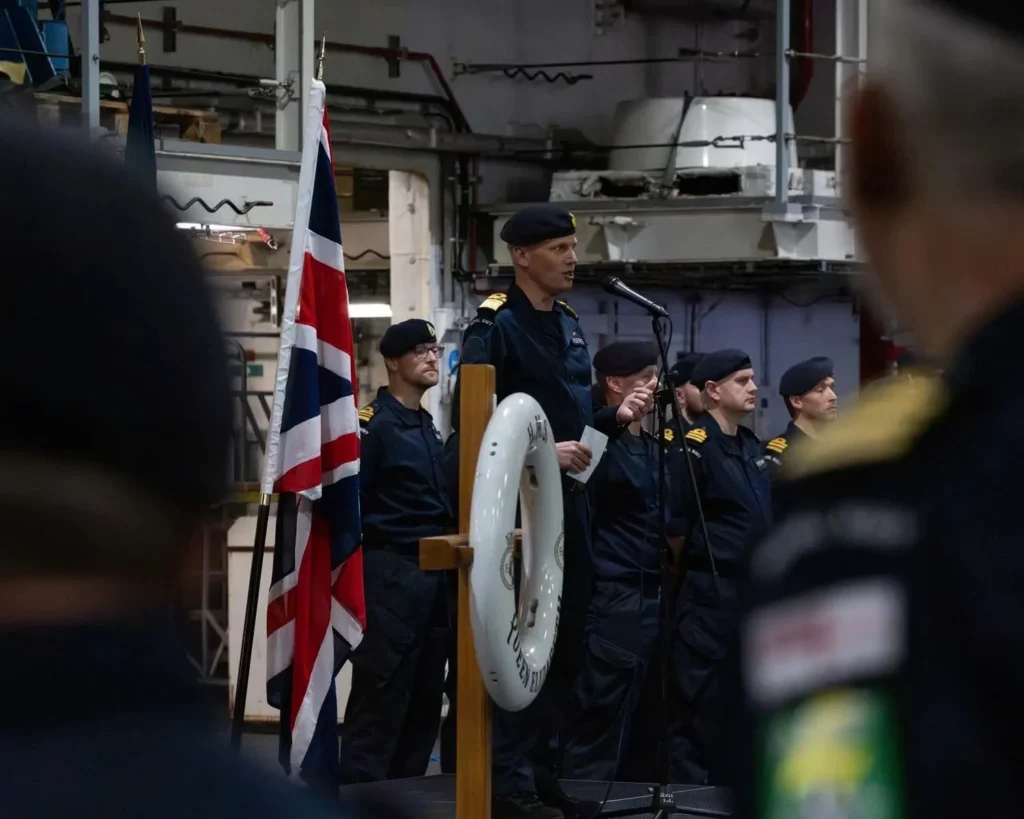
From the aircraft carrier, Rear Admiral Mark Anderson and his battle staff will command and coordinate NATO maritime operations should the force be activated by the Alliance.
Command of the ARF maritime force was transferred to Rear Admiral Anderson, Commander of the United Kingdom Strike Forces, and his staff, from the Spanish Navy during a ceremony at the NATO Rapid Deployable Corps Italy Headquarters near Milan.
“The UK remains committed to NATO, and taking command of the maritime component of the ARF is a clear demonstration to partners and allies that the Royal Navy will play its part in responding swiftly and effectively to crisis,” Rear Admiral Anderson said during the change-of-command ceremony.
HMS Queen Elizabeth becomes NATO’s floating headquarters for rapid maritime operations
Under British command, HMS Queen Elizabeth will act as NATO’s floating headquarters for the maritime element of the Allied Reaction Force throughout the UK’s year-long tenure.
The force forms part of NATO’s wider Allied Reaction Force, established to provide rapidly deployable capabilities able to respond to emerging crises across the Alliance’s area of responsibility.
Depending on the nature of a contingency, the force can integrate maritime, land, air, special operations, cyber, logistics and strategic communications assets contributed by NATO member states.
If activated by NATO’s Supreme Allied Commander Europe, the maritime component could deploy warships, naval aviation and support vessels to reinforce deterrence, protect allied territory or respond to emerging security challenges ranging from conventional military threats to hybrid warfare and terrorism.
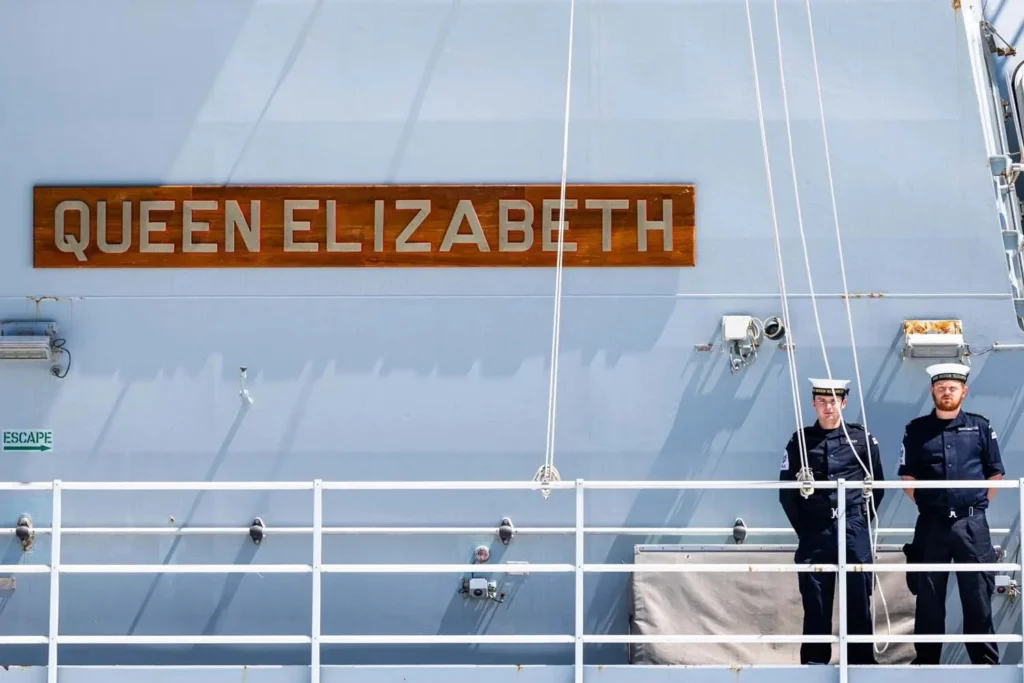
The appointment also marks another milestone for HMS Queen Elizabeth, which returned to operational service in May after an extensive maintenance period in Rosyth and has since completed intensive work-up training to restore the carrier to frontline readiness.
Britain also assumes command of NATO’s special operations force
The maritime appointment coincides with another first for the UK within NATO’s high-readiness structure.
British Special Operations Forces have assumed leadership of the Special Operations Component Command, placing the UK in charge of the Alliance’s rapidly deployable special operations capability.
At sea, that responsibility is spearheaded by 42 Commando Royal Marines, whose Special Operations Maritime Task Group is designed to deploy at very short notice for missions including boarding operations, the recapture of ships and offshore infrastructure, and coastal raids supporting larger amphibious operations.
The force also brings together specialist aviation, engineering, boarding and boat teams drawn from across the Royal Navy and UK Commando Force.
The dual appointments mean Britain now leads two of NATO’s highest-readiness operational components simultaneously, reflecting the UK’s continuing role as one of the Alliance’s principal military contributors.
Meanwhile, UK carrier strike forces are reinforcing NATO’s northern flank
The assumption of NATO command comes as another Royal Navy carrier is already supporting Alliance operations in northern Europe.
While HMS Queen Elizabeth prepares to serve as NATO’s maritime command platform, sister ship HMS Prince of Wales is deployed off Iceland as the centrepiece of the UK’s Carrier Strike Group, contributing to NATO operations in the strategically important High North.
Defence Secretary Dan Jarvis MBE MP said: “It was an honour to visit our deployed personnel who are conducting operations that help keep our nation and our allies safe. We live in an increasingly dangerous and uncertain time, and it’s deployments like this, supported by allies and partners including Iceland, that improve our deterrence and defence as part of NATO.
“We are investing £298 billion ( $398 billion) over the next four years to strengthen readiness and ensure our people have the kit and technology they need,” Jarvis said.
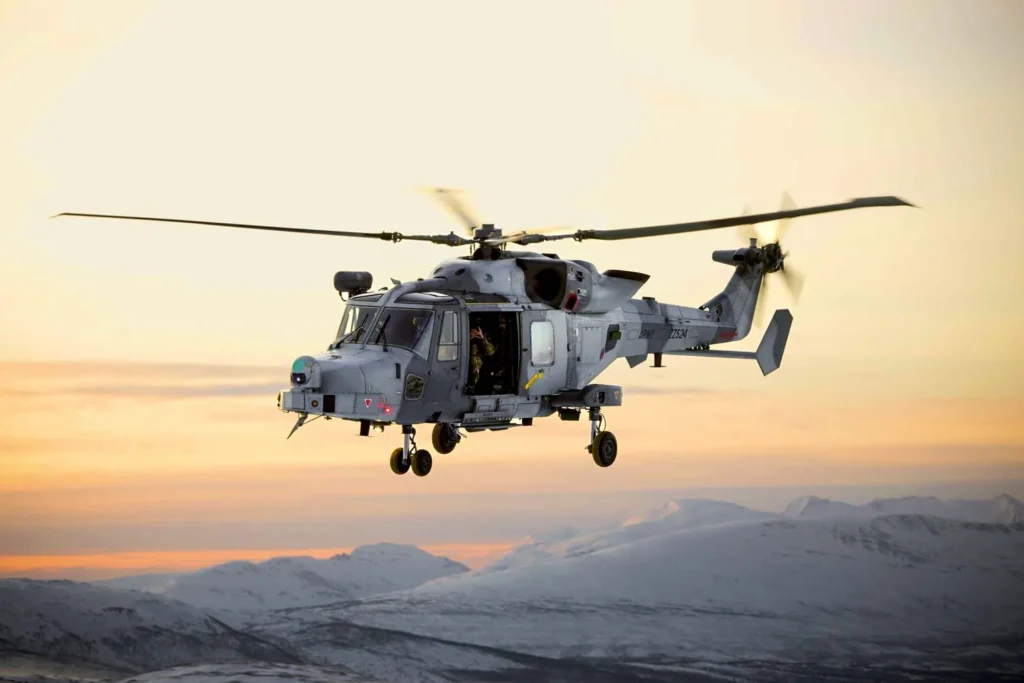
The deployment has seen Royal Air Force F-35B Lightning aircraft conduct NATO air policing missions from the deck of a European aircraft carrier for the first time, patrolling airspace over Iceland and the wider High North in support of the Alliance’s northern deterrence mission.
The operations reflect NATO’s growing focus on protecting the North Atlantic and Arctic approaches amid increased Russian military activity in the region.
More than 1,500 British personnel are currently deployed with the Carrier Strike Group, which includes HMS Prince of Wales, the Type 45 destroyer HMS Duncan and support ship RFA Tidespring.
The deployment forms part of Britain’s wider contribution to NATO’s deterrence and collective defence posture across northern Europe.
A broader demonstration of Britain’s role within NATO
Taken together, the Royal Navy’s assumption of command of the Allied Reaction Force (Maritime), the UK’s leadership of NATO’s Special Operations Component Command and ongoing carrier operations in the High North illustrate the breadth of Britain’s current responsibilities within the Alliance.
Rather than representing isolated deployments, the three activities form part of NATO’s broader effort to maintain high-readiness forces capable of responding quickly across multiple domains from maritime security and special operations to air policing and collective defence.
Sign up for our newsletter and get our latest content in your inbox.
Similar Reads


Sign up for our newsletter. Select all sectors relevant to you.
Related