

Jet2 fuel hedging strategy delivers £388m windfall as airline weathers volatile year


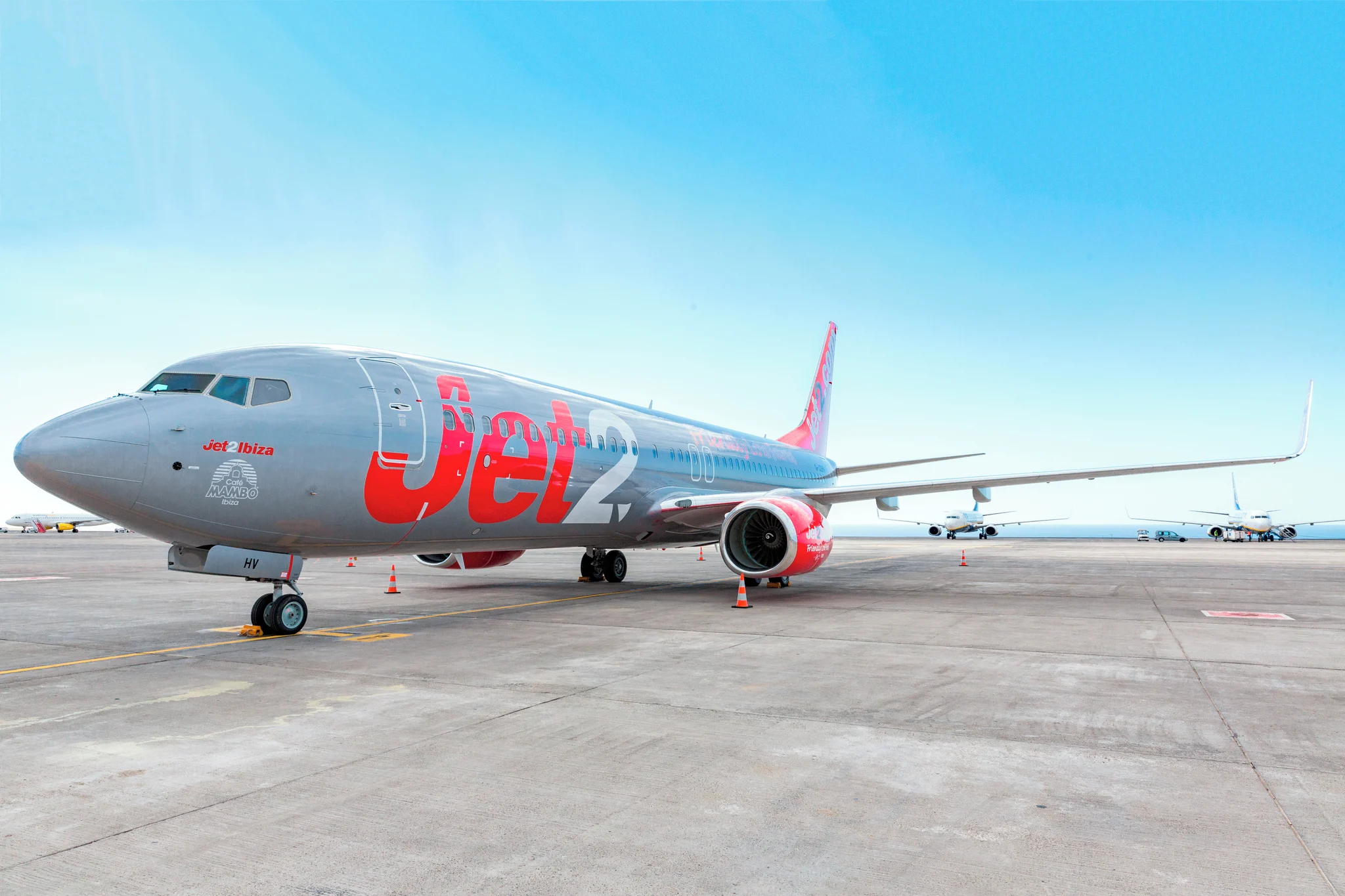
Jet2’s fuel hedging strategy helped shield the company from this year’s spike in jet fuel prices, with the company reporting a £388 million accounting gain on fuel derivatives in its latest annual results.
The UK’s largest package holiday operator said the gain helped offset a more uncertain trading environment caused by geopolitical tensions in the Middle East, while revenue climbed 4% to £7.48 billion. Profit before foreign exchange revaluation and taxation slipped 7% to £551 million, reflecting higher operating costs and customers delaying bookings during the conflict.
Jet2’s fuel hedging strategy pays off
One of the biggest talking points in the results was Jet2’s fuel hedging programme.
The company recorded a £388 million fair value gain on its jet fuel derivative contracts as market fuel prices surged following the escalation of conflict in the Middle East. Because Jet2 had already locked in fuel purchases at lower prices, the value of those contracts increased substantially as spot prices rose.
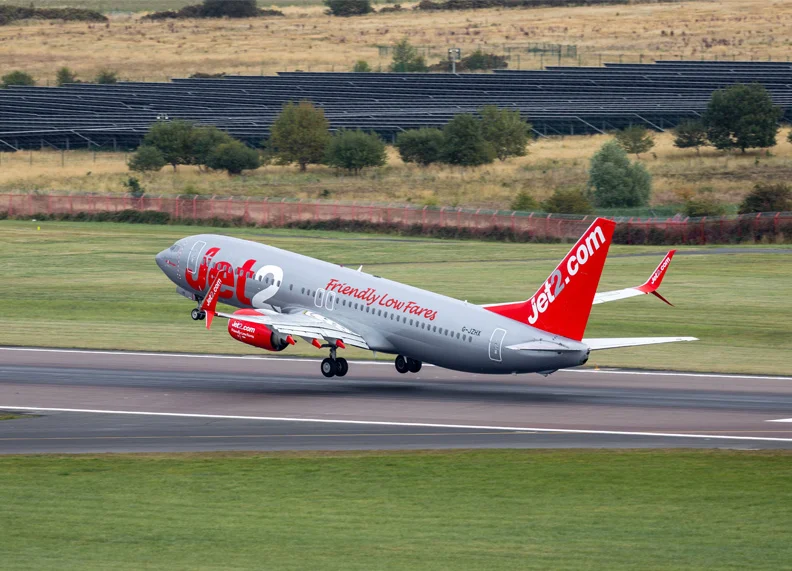
Chief executive Steve Heapy said the company has continued to strengthen that protection for the current financial year.
“We have also acted decisively to protect margins, with 90% of full year jet fuel requirement hedged at an average price of $743 and over 85% of foreign exchange also hedged for the full financial year, delivering a high degree of cost certainty,” Heapy said in the report on the company’s preliminary results.
The airline reassured customers in April that it would not introduce fuel surcharges on existing bookings despite soaring fuel costs, counting on its hedging strategy and strong balance sheet to absorb market volatility.
Revenue grows despite booking disruption
Group revenue increased to £7.48 billion, up from £7.17 billion a year earlier.
Operating profit edged down to £439.6 million from £446.5 million, “after absorbing £11.0m of Gatwick startup
investment, plus £50m of cost increases from employment taxes and incremental Sustainable Aviation Fuel (SAF) premiums.”
Profit before foreign exchange revaluation and taxation declined to £551 million from £593 million in 2025.
Jet2 said the outbreak of conflict in the Middle East led customers to book much closer to departure than usual, reducing visibility during the early-summer booking period. However, the company said demand has since improved as geopolitical uncertainty eased.
Jet2’s Gatwick expansion exceeds expectations
The company’s newest base at London Gatwick has performed ahead of expectations, supported by stronger-than-anticipated demand for package holidays.
Following the encouraging start, Jet2 now expects to operate seven aircraft from Gatwick in Summer 2027, expressing confidence in growth opportunities in southern England.
Reflecting its strong financial position, Jet2 also announced a £250 million share buyback programme.
The company ended the year with a robust balance sheet and said the buyback demonstrates confidence in its medium-term outlook, while it continues to invest in fleet renewal and network expansion.
Outlook for Jet2 for 2026
Jet2 said bookings for the first four months of the current financial year are tracking ahead of last year, with average load factors currently 1.2 percentage points higher.
The company believes continued investment in customer service, its growing fleet of Airbus A321neos, expansion into London Gatwick and disciplined cost management leave it well positioned.
“Our value drivers are clear,” Heapy said, adding: “I am confident that we are very well placed to deliver sustainable, long-term profitable growth, as more and more customers place their trust in Jet2 for their hard-earned holidays.”
Sign up for our newsletter and get our latest content in your inbox.
Similar Reads




Sign up for our newsletter. Select all sectors relevant to you.
Related