General Atomics

UK’s first F-35As will train pilots, not deliver NATO nuclear role

The RAF has clarified that the UK’s first 12 F-35A fighters are intended for pilot conversion training, leaving the future shape of Britain’s NATO dual-capable nuclear force still to be decided.

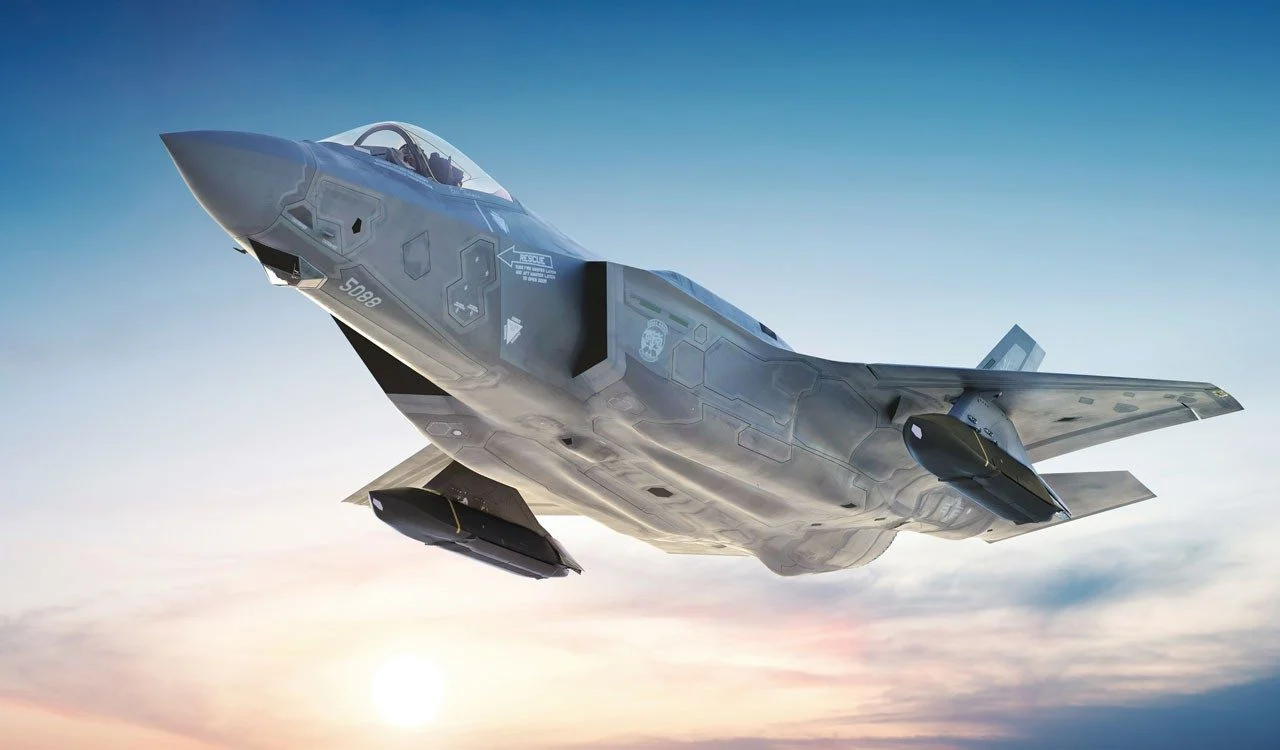
Lockheed Martin F-35
Photo: Lockheed Martin

The Royal Air Force (RAF) has clarified that the United Kingdom’s initial fleet of 12 Lockheed Martin F-35A fighters will primarily support pilot training rather than form the country’s future NATO dual-capable nuclear force, leaving key questions over the size, composition and supporting infrastructure of Britain’s planned airborne nuclear capability still under review.

The clarification, first reported by Janes from the Global Air & Space Chiefs’ Conference in London and subsequently expanded upon by Aviation Week and UK Defence Journal, comes just over a year after the UK announced it would acquire the conventional take-off and landing F-35A alongside plans to return to NATO’s nuclear sharing mission.

The remarks suggest that the two initiatives, while linked politically, are now being treated as separate strands of the RAF’s future force planning.

Speaking at the conference, Air Vice-Marshal Jim Beck, the RAF’s Director Capability and Programmes, said the acquisition of the first 12 F-35As should not be viewed as the aircraft that will automatically deliver Britain’s restored airborne nuclear role.

“For any clarification, or to avoid any doubt, we did not buy those 12 aircraft for dual-capable aircraft capability. We bought them for our conversion units. At the same time, we stated we would get back into the dual-capable aircraft role supporting NATO. The two are separate,” Beck said.

RAF separates F-35A training buy from nuclear role

Beck’s comments represent an important clarification of the government’s announcement made in June last year.

When London confirmed the purchase of 12 F-35As, the Ministry of Defence described the decision as part of Britain’s return to NATO’s dual-capable aircraft mission, restoring an airborne nuclear role for the first time since the retirement of the WE.177 free-fall nuclear bomb in the late 1990s.

The F-35A is certified to carry the US B61-12 gravity bomb, unlike the F-35B currently operated by the RAF and Royal Navy.

Until now, the announcement had widely been interpreted as meaning the first 12 aircraft would fulfil that mission.
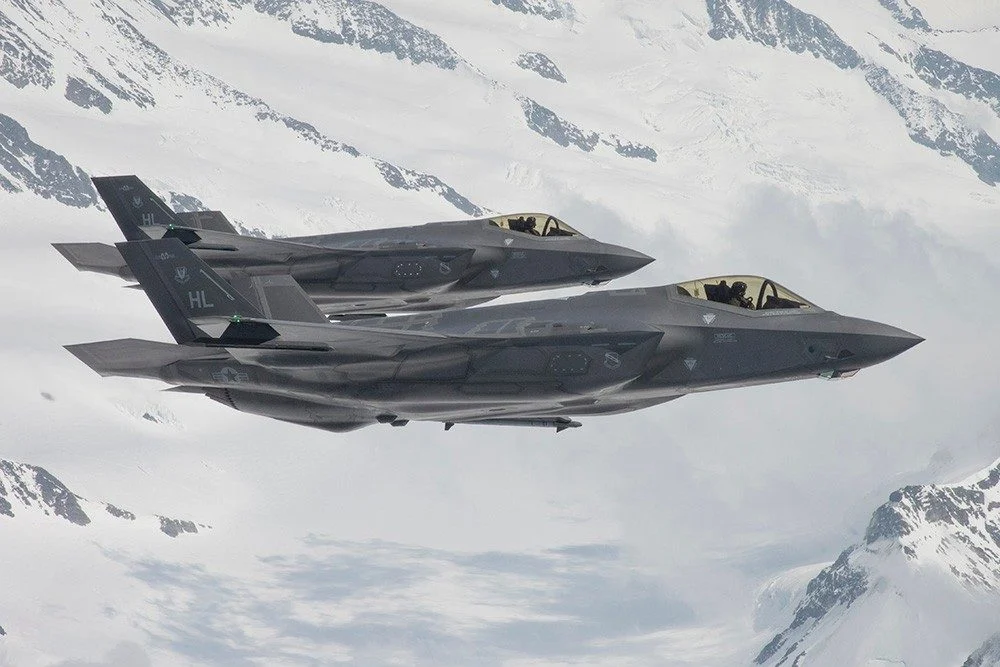
Lockheed Martin F-35 Lightning II
Photo: Lockheed Martin

Beck’s remarks indicate the RAF instead sees the initial fleet as a training capability, while the operational force required to undertake NATO’s nuclear mission remains the subject of ongoing analysis.

According to Aviation Week, the RAF is still assessing the size and posture of the force needed to meet the dual-capable aircraft requirement, suggesting decisions on aircraft numbers and operational structure have yet to be finalised.

First 12 F-35As headed for pilot conversion

The first F-35As will be assigned to the RAF’s Operational Conversion Unit, where they will be used to train new Lightning pilots.

The conventional take-off and landing variant offers several practical advantages over the short take-off and vertical landing F-35B. It is less expensive to acquire and operate, carries more internal fuel, requires fewer maintenance hours and can remain airborne longer, allowing more efficient pilot training while preserving flying hours on front-line F-35Bs assigned to carrier operations.
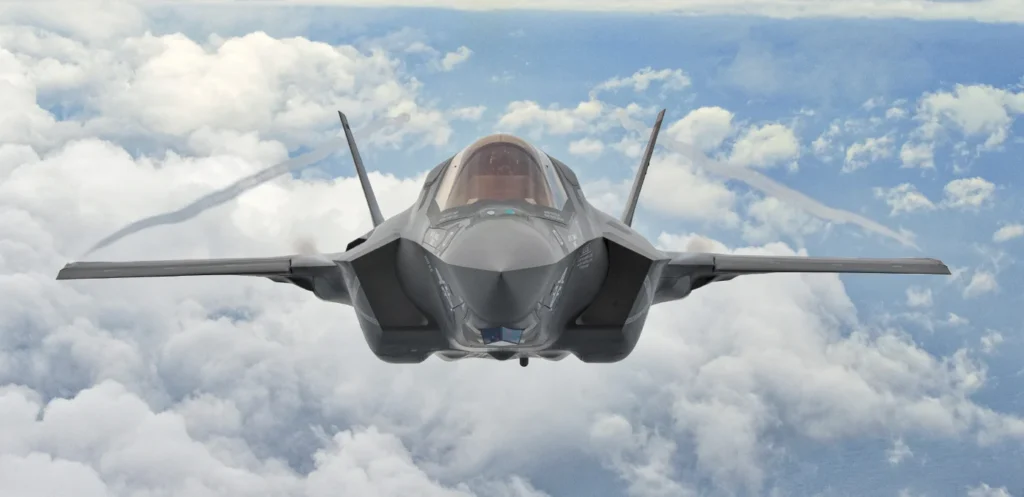
Lockheed Martin F-35A
Photo: Lockheed Martin

The UK currently operates 48 F-35Bs and has committed to acquiring a further 15 F-35Bs alongside the 12 F-35As, while maintaining its long-term objective of procuring up to 138 F-35 aircraft over the life of the programme.

While the clarification answers one question, it raises several others about how Britain intends to re-establish an airborne nuclear capability within NATO.

If the initial F-35As are dedicated to training, the RAF will need to determine how many additional aircraft are required to sustain an operational dual-capable force without affecting pilot conversion.

Tanker and infrastructure questions remain

Supporting capabilities are also under review. During the same conference, RAF officials confirmed that the future Global Combat Air Programme (GCAP) fighter will use boom air-to-air refuelling, while Air Chief Marshal Sir Harvey Smyth told Aviation Week that the service is exploring options with AirTanker to introduce a boom capability for the Voyager tanker fleet.

That requirement would also benefit future F-35A operations, which use boom refuelling rather than the hose-and-drogue system employed by today’s RAF fast jets.

Despite the clarification over the role of the first aircraft, the government’s broader policy has not changed.

Britain remains committed to rejoining NATO’s dual-capable aircraft mission, complementing the UK’s submarine-based nuclear deterrent with an air-delivered capability available to the Alliance.

Related

Filton recognised by AIAA as Historic Aerospace Site
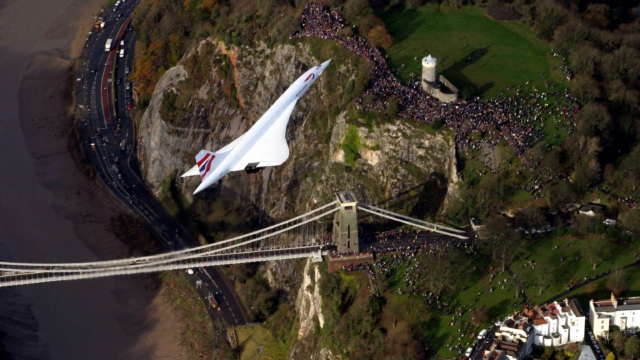
CONCORDE PASSES OVER THE CLIFTON SUSPENSION BRIDGE IN BRISTOL ON ITS FINAL FLIGHT TO ITS BIRTH PLACE IN FILTON, WHERE IT WILL REMAIN.
Filton recognised by AIAA as Historic Aerospace Site
The Filton site and airfield has been recognised by the American Institute of Aeronautics and Astronautics (AIAA) for its contribution to aviation, as the world’s longest continuously operating aircraft design and manufacturing site.
Aerospace

23 Oct 2026

Met Office secures new five-year Heathrow Airport weather support contract
Aircraft wing
Met Office secures new five-year Heathrow Airport weather support contract
A renewed five-year agreement will see Met Office meteorologists continue delivering round-the-clock weather intelligence to help Heathrow prepare for disruption and keep passengers and cargo moving.
Aerospace Security

23 Oct 2026

Caerdav expands St Athan operations with new composites and paint workshop
The new facility will expand the company’s maintenance support capabilities
Caerdav expands St Athan operations with new composites and paint workshop
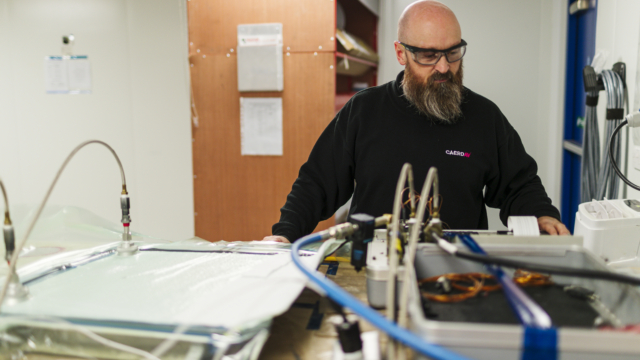
Following significant investment, Caerdav has commenced work on a standalone composites and paint workshop at its St Athan base, renovating a currently unused building adjacent to the company’s existing hangars, adding another 4,300 sq ft of workshop space.
Aerospace Member News

23 Oct 2026

Royal Engineers trial new construction methods for conflict and disaster zones
Royal Engineers Museum
Royal Engineers trial new construction methods for conflict and disaster zones
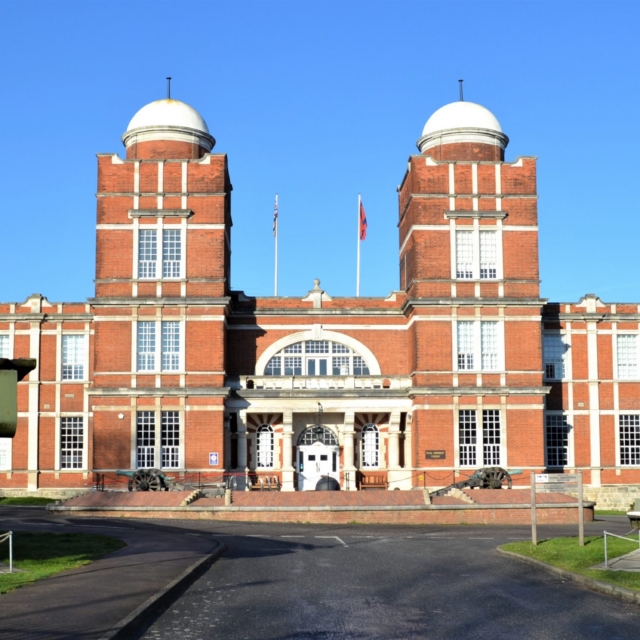
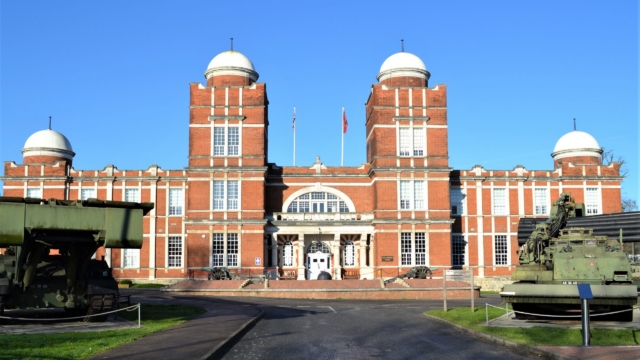
At the Royal Engineers Museum in Gillingham, Kent, soldiers from the Corps of Royal Engineers evaluated ongoing research aimed at the development of practical reconstruction solutions for real-life scenarios in environments impacted by conflict, where resources for making concrete are limited.
Roke appoints Jo Rayson as its first COO
Roke HQ, Romsey
Roke appoints Jo Rayson as its first COO
Responsibility for the expansion of Roke's systems and infrastructure has been entrusted to its first ever Chief Operating Officer (COO), Jo Rayson.
Defence Member News

23 Oct 2026

Royal Navy leads AUKUS submarine-hunting trials using autonomous systems
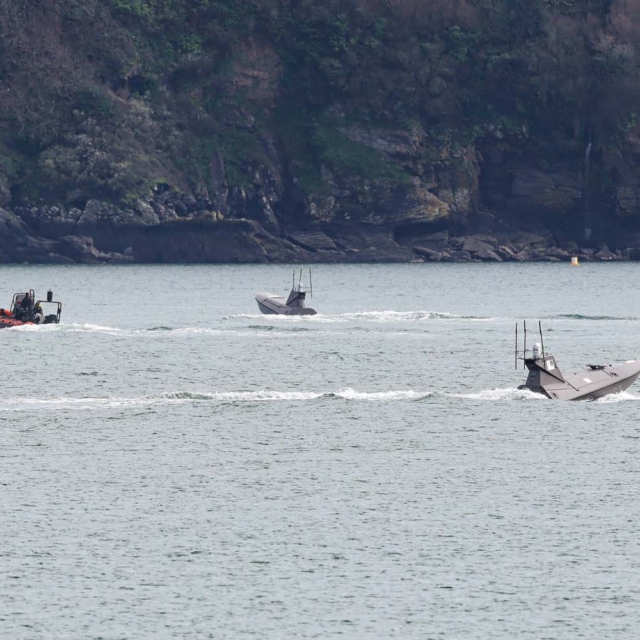
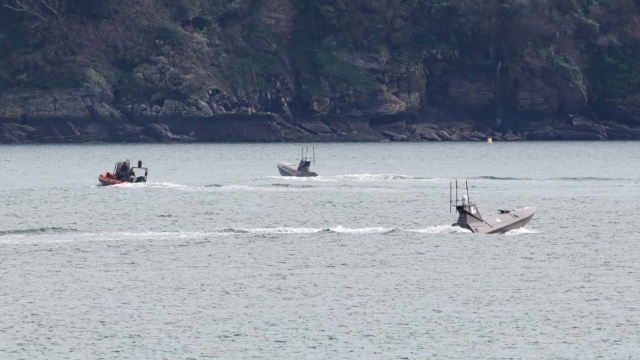
09 Mar 2026- Exercise SPRING SABRE Building on the success of trials and tests in 2025, Exercise Spring Sabre landed in Plymouth in early March, to develop and manage the diversity of uncrewed maritime and airborne available to a Hybrid Navy construct. Utilising the unique and diverse environments on offer across Plymouth Sound, Ex Spring Sabre has been able to improve collaboration between operators as well as reduce the duplication of effort and make planned operations more efficient. Falling under the AUKUS Pillar II - Maritime Big Play programme, in which sees UK, Australia, and the United States test and integrate autonomous systems, the Exercise enabled several Industrial partners to share command-and-control software and grow a baseline for using autonomous kit in a Littoral setting.
Royal Navy leads AUKUS submarine-hunting trials using autonomous systems
The UK is leading anti-submarine warfare experiments in San Diego as Australia, the UK and the US test how crewed warships, underwater vehicles and autonomous systems can operate together.
Defence

23 Oct 2026

ClearSpace and Eutelsat sign term sheet to advance Phoenix GEO life-extension services
Artificial rendering of Phoenix approaching a client satellite.
ClearSpace and Eutelsat sign term sheet to advance Phoenix GEO life-extension services
A new agreement between ClearSpace and Eutelsat has established a framework for cooperation on the Phoenix mission and future commercial life-extension services, bringing satellite operator expertise into the development of next-gen in-orbit servicing capabilities.
Member News Space

22 Oct 2026

UK Space Agency opens £2m fund to bring satellite data into new markets
Satellite
UK Space Agency opens £2m fund to bring satellite data into new markets
UK businesses can partner with space suppliers to test satellite-enabled environmental and emissions services, with applications closing on 11 December.
Space

21 Oct 2026

Newquay could host twice-daily space flights under new plan
Aurora - Flight 61, Scout Space - High Altitude
Newquay could host twice-daily space flights under new plan
Spaceport Cornwall and Dawn Aerospace are exploring plans to bring reusable spaceplane operations to Newquay, with ambitions for twice-daily flights to the edge of space.
Aerospace Space

20 Oct 2026

Hostile states are exploiting public information. UK organisations must respond
Headshot for Jack Borthwick at Fivecast
Hostile states are exploiting public information. UK organisations must respond
Jack Borthwick, account director, EMEA, at Fivecast, argues that AI-enabled open-source intelligence can help organisations spot hostile activity earlier.
Security

24 Oct 2026

Royal Engineers trial new construction methods for conflict and disaster zones
Royal Engineers Museum
Royal Engineers trial new construction methods for conflict and disaster zones
At the Royal Engineers Museum in Gillingham, Kent, soldiers from the Corps of Royal Engineers evaluated ongoing research aimed at the development of practical reconstruction solutions for real-life scenarios in environments impacted by conflict, where resources for making concrete are limited.
Met Office secures new five-year Heathrow Airport weather support contract
Aircraft wing
Met Office secures new five-year Heathrow Airport weather support contract
A renewed five-year agreement will see Met Office meteorologists continue delivering round-the-clock weather intelligence to help Heathrow prepare for disruption and keep passengers and cargo moving.
Aerospace Security

23 Oct 2026