

Britain deepens naval support as Zelenskyy visits Portsmouth


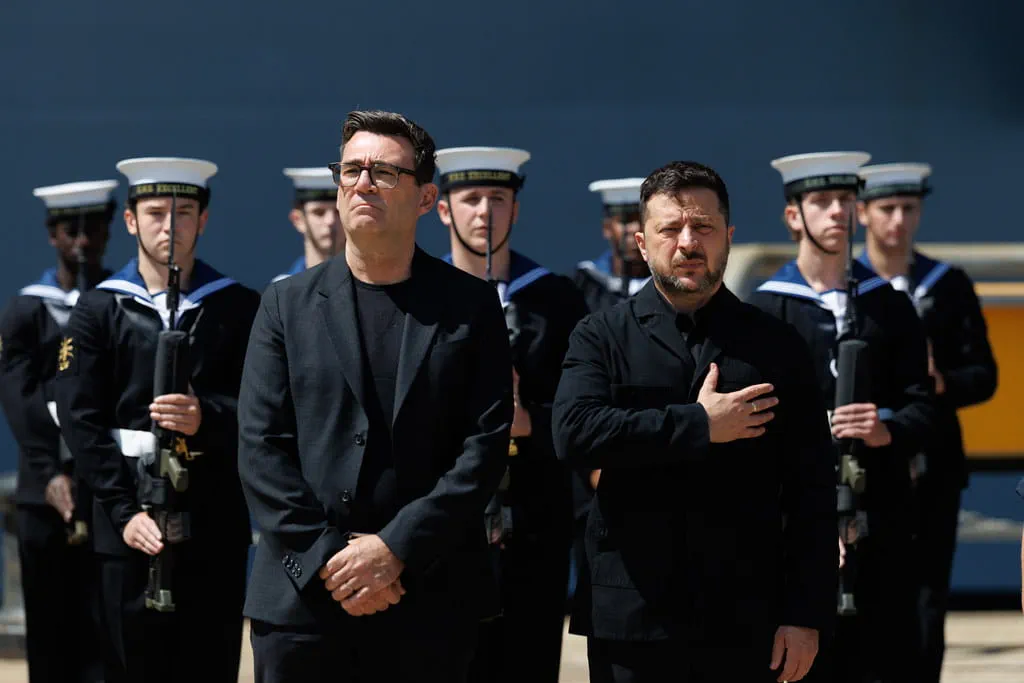
Britain used President Volodymyr Zelenskyy’s first visit to Portsmouth Naval Base with Prime Minister Andy Burnham to demonstrate how its support for Ukraine is expanding beyond weapons deliveries to long-term maritime capability, advanced defence technology and military training.
The visit, Burnham’s first bilateral meeting with a foreign leader since taking office, focused on the Royal Navy’s role in preparing Ukrainian sailors for future operations in the Black Sea while reaffirming London’s commitment to supporting Kyiv for the long term.
After inspecting a Royal Navy Guard of Honour aboard HMS Queen Elizabeth, the two leaders met senior naval commanders and watched training activities involving Ukrainian sailors.
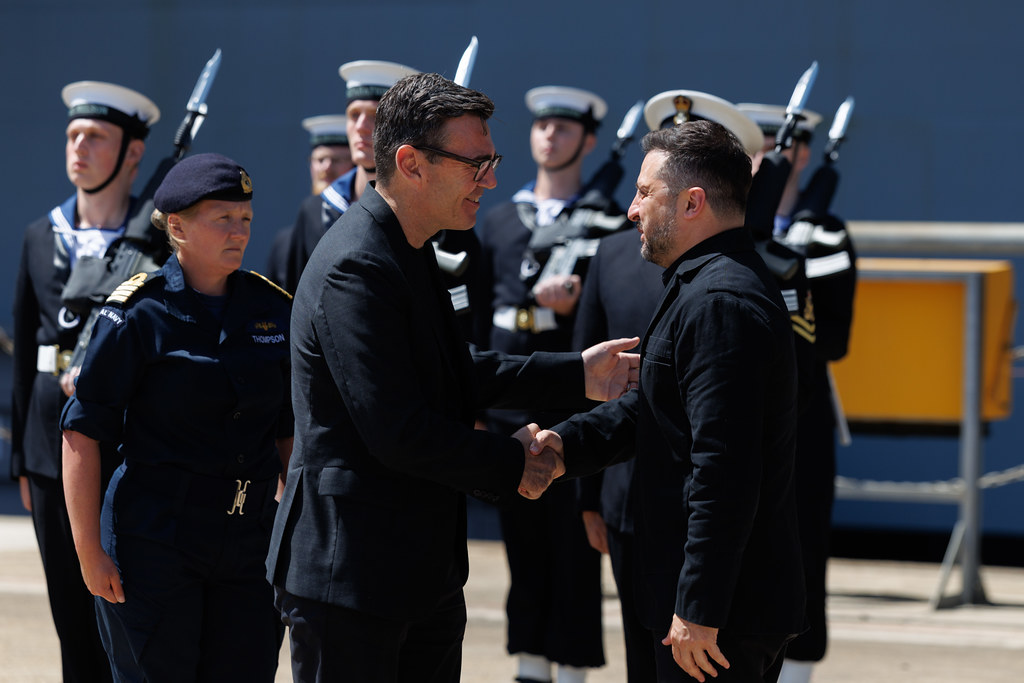
Under Operation Interflex and the UK-led Maritime Capability Coalition, more than 200 Ukrainian sailors have been trained to operate five minehunters over the past three years, with the vessels based in Portsmouth.
Prime Minister Andy Burnham said the meeting was intended to send a clear political message.
“Volodymyr, you are the first leader I have welcomed in person since taking office and that is no accident. It is intended to send a very clear message. We are with Ukraine 100%, I am personally with you 100%, and I will honour every commitment this country has made to Ukraine in full.”
President Zelenskyy described the relationship between the two countries as stronger than ever.
“We value that we can always count on Britain’s principled decisions, leadership, and support. Thank you, Britain!”
Royal Navy training programme is helping Ukraine rebuild critical Black Sea mine warfare capability
The leaders were hosted by First Sea Lord General Sir Gwyn Jenkins and HMS Queen Elizabeth Commanding Officer Captain Claire Thompson as they discussed Anglo-Ukrainian naval cooperation.
General Jenkins said the UK’s support now extends beyond military equipment to developing Ukraine’s long-term maritime capability.
“Through the Maritime Capability Coalition, which we lead with Norway, the UK is playing a vital role rallying support for the Ukrainian Navy, from mine countermeasure capabilities to training Ukrainian Marines through our regional training hub.”
The visit coincided with the return of five Ukrainian minehunters from Exercise Sea Breeze 2026, the largest mine warfare exercise hosted in Britain for almost a decade. Around 750 personnel from 18 nations took part, with Ukrainian crews training alongside NATO navies in mine clearance, force protection and maritime task group operations.
Stone Cloak electronic warfare technology marks Britain’s latest battlefield capability transfer to Ukraine
Alongside the naval training programme, Burnham confirmed Britain is supplying Ukraine with its new Stone Cloak electronic warfare system.
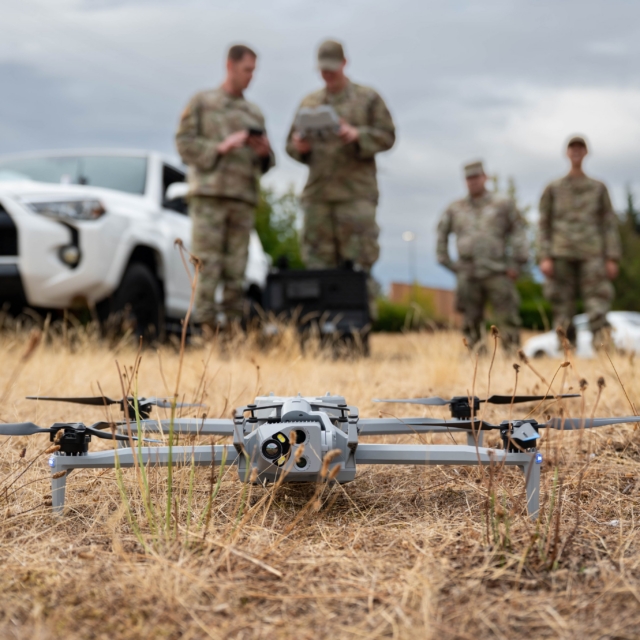
The tablet-sized electronic jammers are fitted to drones to reduce their vulnerability to Russian air-defence systems. Thousands have already been delivered to Ukraine, while operational experience from the conflict is expected to influence the development of Britain’s own future deep-strike capabilities.
Recent Gripen support package shows Britain is investing in Ukraine’s future military capability rather than only supplying weapons
The Portsmouth meeting followed Britain’s recent decision to commit £255 million to help Ukraine prepare for future Saab Gripen E fighter operations.
Rather than funding aircraft purchases, the package will provide pilot and engineer training, simulators, logistics support and spare parts for Ukraine’s planned Gripen fleet, while supporting thousands of jobs across Britain’s defence industry.
Together with the Stone Cloak programme and continued naval training, the initiative reflects London’s broader strategy of helping Ukraine build sustainable military capability across air, maritime and unmanned domains.
Britain’s long-term military assistance now combines operational support, industrial cooperation and force development
Britain has pledged to provide £3 billion in military support each year for as long as necessary. Since Russia’s full-scale invasion in 2022, the UK says it has committed around £25 billion in total assistance, including £16 billion in direct military aid.
Rather than announcing a single new aid package, the Portsmouth meeting highlighted how Britain’s support for Ukraine has evolved.
Naval training, electronic warfare technology, industrial cooperation, and future combat aircraft preparation now form part of a wider effort to strengthen Ukraine’s armed forces while deepening long-term defence ties between London and Kyiv.
Sign up for our newsletter and get our latest content in your inbox.
Similar Reads