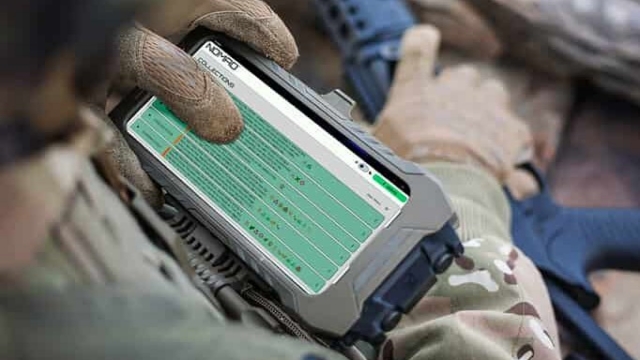


Britain bets on sovereign AI as defence industry rallies behind national model



Britain’s biggest defence companies have joined forces in an ambitious effort to develop the country’s first sovereign frontier artificial intelligence model, marking a significant step in the UK’s drive to ensure future military capability is not dependent on overseas AI technology.
The initiative, known as Lumen Sovereign, brings together BAE Systems, Leonardo UK, Thales UK, Babcock International, QinetiQ, BT, HSBC, Lloyds Banking Group, NatWest, London Stock Exchange Group, Telefonica Tech UK&I, PwC, The Alan Turing Institute and other partners to co-design an advanced AI model that will be built, trained and hosted entirely within the UK.
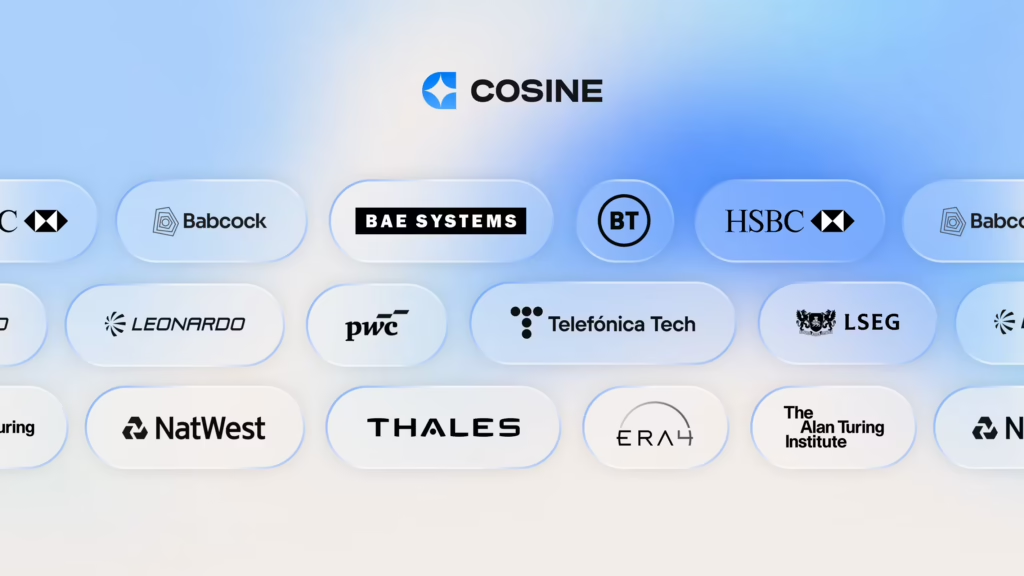
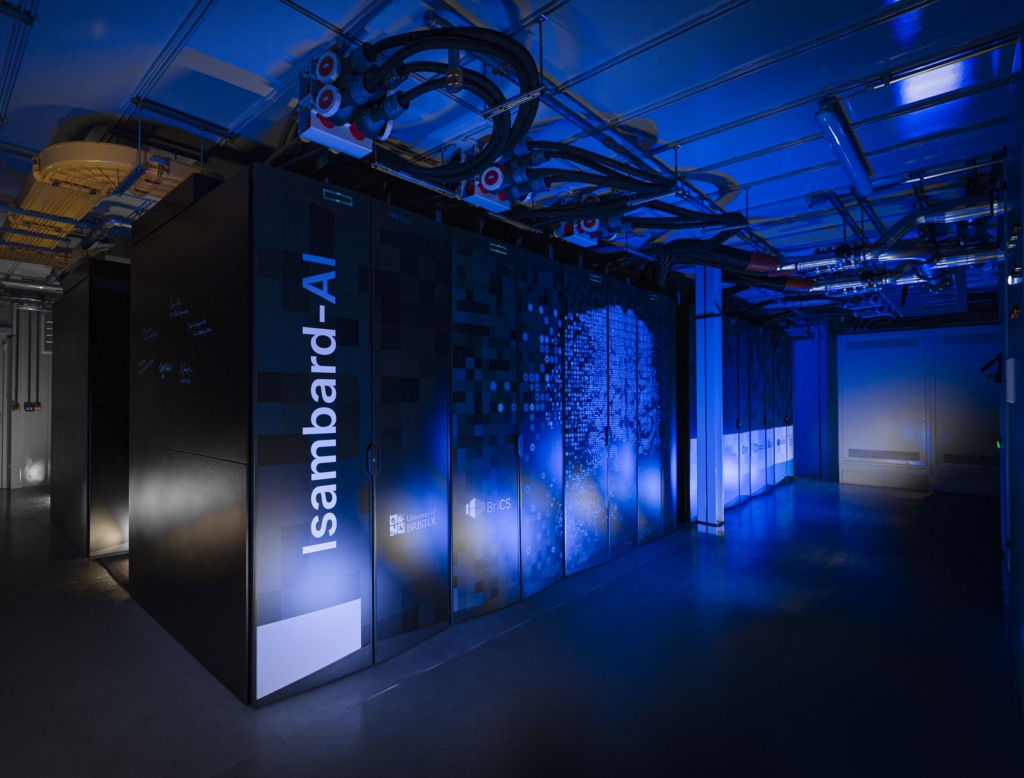
The programme will use computing resources from Isambard-AI, one of Europe’s most powerful supercomputers, through the Government’s £500 million Sovereign AI programme, with deployment targeted by the end of 2026.
While the project is led by British AI company Cosine, its significance stretches well beyond the technology sector. For the UK’s defence industry, Sovereign AI is increasingly being viewed as a strategic capability alongside advanced combat aircraft, cyber defence and secure communications, particularly as military operations become more dependent on autonomous systems and rapid data analysis.
Britain’s defence strategy is placing AI at the centre of future capability
The industry initiative mirrors a fundamental shift already taking place inside the Ministry of Defence.
The Government has made clear that artificial intelligence will play a central role in the future of British defence. Earlier this year, the then Defence Secretary John Healey announced the creation of the Rapid AI Delivery (RAID) Taskforce, a new organisation established to accelerate the introduction of AI across the Armed Forces.
Reporting directly to the Chief of the Defence Staff, the taskforce has been charged with moving AI capabilities from laboratories into frontline use at a much faster pace than traditional procurement programmes.
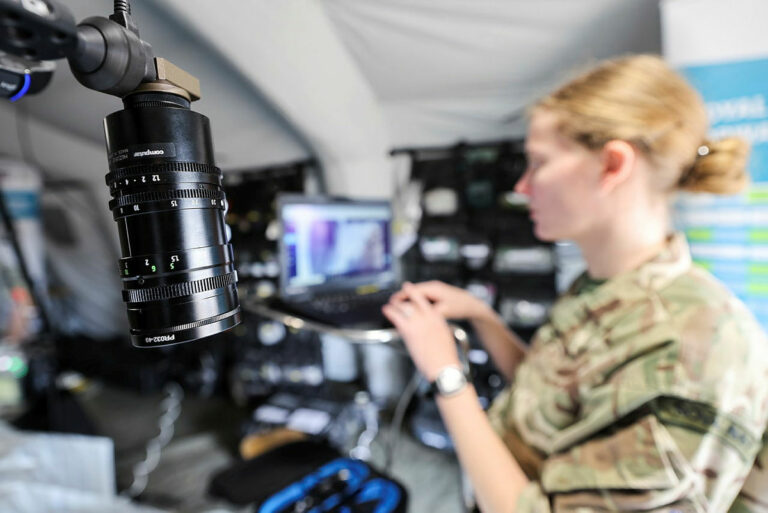
Alongside RAID, the Ministry of Defence has identified several operational priorities where AI is expected to have the greatest impact, including intelligence analysis, faster operational planning, decision support in contested environments and the development of autonomous systems capable of operating alongside military personnel.
The message from Whitehall is clear: future military advantage will depend as much on software and data as it does on ships, aircraft and armoured vehicles. Lumen Sovereign appears designed to support exactly that vision.
Why sovereign AI matters for defence and national resilience
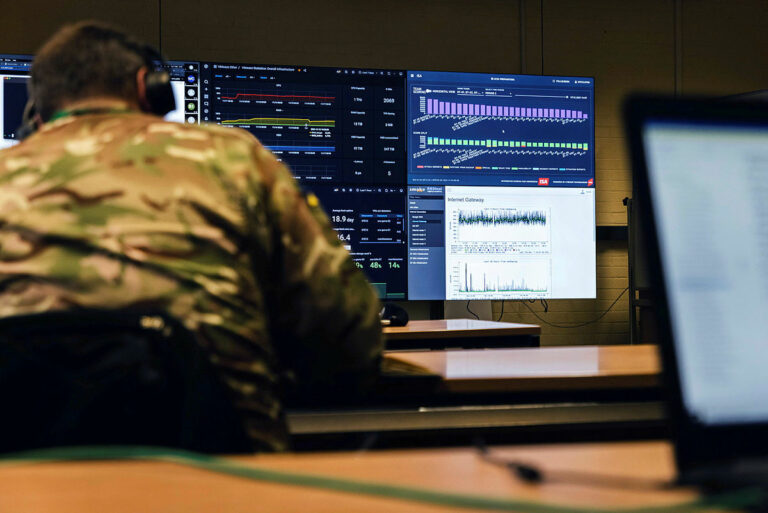
Unlike commercial AI platforms that rely on globally distributed cloud infrastructure, Lumen Sovereign is being designed to operate entirely on British infrastructure and inside highly secure, air-gapped environments where sensitive networks remain physically isolated from the internet.
That distinction is particularly important for defence organisations handling classified information.
Robert Merryweather, Group Technology Director at BAE Systems, argues that sovereignty is about far more than technological independence.
“As the UK’s largest defence company, we strongly support the development of a sovereign ‘frontier AI’ model, an advanced AI system built and hosted entirely on UK soil. This is about national resilience, security and leadership,” he wrote in a recent BAE Systems insight article.
Merryweather said a domestically developed AI capability would ensure Britain retains access to advanced AI even under the most challenging circumstances.
“If international communications, such as satellite links or undersea cables were severed, having an AI system on home soil means we would still have access to our AI capabilities,” he wrote, adding that AI is becoming increasingly important for cyber protection, analysing sensor data and supporting national security missions.
He also said that a UK-built model could be adapted more quickly to meet evolving operational requirements while ensuring sensitive defence data remains under British jurisdiction.
Beyond security, he said, developing frontier AI domestically would strengthen national expertise, create highly skilled jobs and help build what he describes as “a vibrant, sovereign AI ecosystem.”
Industry coalition signals broader strategic shift
The breadth of organisations backing Lumen Sovereign underlines how AI is increasingly being viewed as national infrastructure rather than simply another digital technology project.
Although defence companies form the core of the initiative, the coalition also includes organisations from banking, telecommunications, financial services and research, reflecting a wider recognition that sovereign AI will underpin multiple sectors responsible for the UK’s critical infrastructure. For Cosine, the rationale is straightforward.
“AI is the single most important technology of our generation,” said Alistair Pullen, the company’s chief executive. “Enterprises are increasingly waking up to the risk of being wholly dependent on foreign providers for this technology. Vendor lock-in creates security risk, dependency risk and cost escalation risks.”
Designed for defence, not for everyday chat
Unlike most large language models that have been developed for general-purpose use, Lumen Sovereign is being designed around the needs of highly regulated industries where security, traceability and resilience are as important as performance.
The model will support more than 30 specialist workflows, including cybersecurity, adversarial testing, software engineering, financial investigations, legal document review and healthcare administration. Defence applications are expected to be among its earliest priorities, particularly in environments where commercial AI platforms cannot be used because of security restrictions.
One of its distinguishing features is its ability to work with legacy programming languages such as Ada, Assembly and Fortran, languages that continue to underpin many defence and aerospace systems but are often poorly supported by mainstream AI coding assistants.
By combining expertise in both legacy and modern software environments, the developers believe the model can help organisations modernise critical systems without abandoning decades of existing code.
The model will be trained on Isambard-AI, one of Europe’s most powerful supercomputers, with computing resources provided under the Government’s Sovereign AI programme. Deployment is targeted by the end of 2026.
Defence companies see long-term value
The companies supporting the programme say the benefits extend well beyond software development.
For BAE Systems, the project represents an opportunity to strengthen both innovation and the UK’s industrial base.
“Lumen Sovereign provides an encouraging example of innovation in practice – applying cutting-edge technology to critical sectors while strengthening the UK’s sovereign AI capability,” said Merryweather.
“Working with start-ups such as Cosine presents an important opportunity to support innovation across the defence ecosystem, while positioning BAE Systems at the forefront of adoption. This collaborative approach helps to nurture a more dynamic and resilient UK industrial base,” he added.
Babcock International also believes AI developed within the UK can better address the demands of military programmes.
Dr Peter Passaro, Global Director of AI & Data at Babcock, said the company was looking to help develop AI models tailored specifically to defence operations.
“We’re excited to join the Lumen Sovereign initiative and collaborate with Cosine to advance sovereign AI capabilities for the UK. Together, we can co-create and design AI models that are highly specific for the very complex defence environments we operate in.”
A wider industrial coalition
Although defence has emerged as one of the programme’s principal drivers, the coalition extends well beyond the sector.
Financial institutions, telecommunications providers, technology companies and research organisations have joined the initiative to help shape the model around the needs of industries that operate under strict regulatory and security requirements. That collaborative approach is intended to produce an AI platform capable of supporting critical national infrastructure as well as government and defence users.
The inclusion of organisations such as The Alan Turing Institute also reflects an effort to combine industrial requirements with academic research as Britain seeks to establish its own frontier AI capability.
From policy to capability
Until recently, Britain’s debate around artificial intelligence focused largely on regulation, ethics and investment. The conversation is now shifting towards capability.
Government policy is increasingly centred on accelerating AI adoption across defence, while industry is investing in the infrastructure needed to support that ambition. Rather than relying exclusively on technology developed overseas, companies are now attempting to build models that can be trained, deployed and updated under UK control.
For the first time, government strategy, defence requirements and industrial investment are converging around a common objective of building a sovereign AI capability that can strengthen military operations, protect critical national infrastructure and reduce dependence on foreign technology. If successful, the initiative could become a defining element of the UK’s future defence and industrial strategy rather than simply another advance in artificial intelligence.
Sign up for our newsletter and get our latest content in your inbox.
Similar Reads






Sign up for our newsletter. Select all sectors relevant to you.
Related