Which raw materials are critical to defence? NATO’s essential materials explained

A military aircraft is only as good as the materials it’s made from. From the metals that help an engine cope with extreme heat to the lightweight alloys used in airframes, the choice of raw materials plays a huge part in how an aircraft performs. And getting hold of them isn’t always straightforward.
NATO published a list of 12 defence-critical raw materials in December 2024. While the list covers defence capabilities more widely, it has particular relevance for the aviation industry, where specialist materials are essential to everything from aircraft structures and engines to radar and electrical systems.
So, what are these materials, where are they used, and why should the aerospace supply chain be paying attention?
The 12 raw materials shaping aerospace and defence
NATO’s list includes aluminium, beryllium, cobalt, gallium, germanium, graphite, lithium, manganese, platinum, rare earth elements, titanium and tungsten.
Some are already familiar to anyone working in aircraft manufacturing. For example, aluminium remains a mainstay of airframe production, thanks to its combination of low weight, strength and ease of manufacture.
Titanium is equally important, particularly in areas where strength, corrosion resistance and the ability to withstand high temperatures are crucial. It’s widely used in aircraft structures, landing gear and jet engine components.
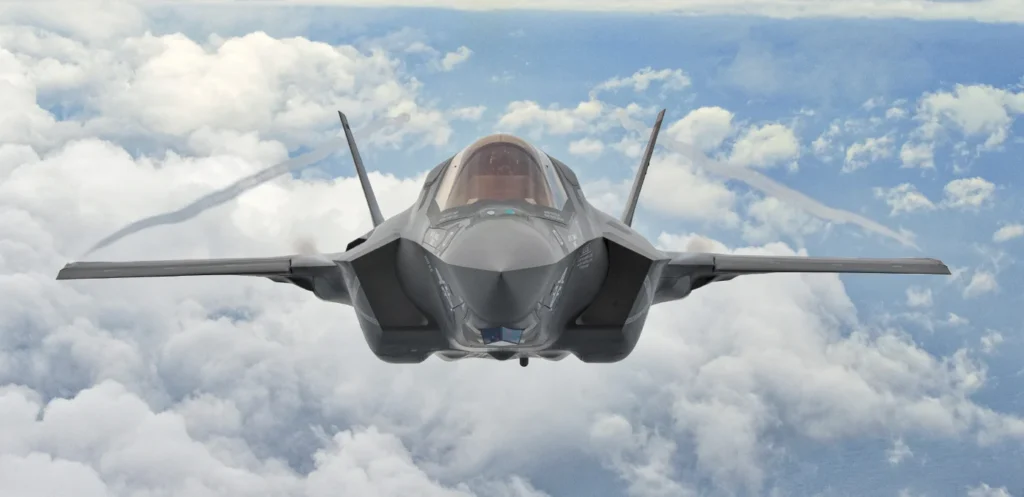
Cobalt has a particularly important role in aero-engine manufacturing too. It’s used in specialist alloys designed to withstand the extreme temperatures and mechanical stresses found inside gas turbines. Additionally, tungsten has properties that make it valuable in demanding aerospace applications, including its high density and exceptionally high melting point.
The supply of some of these materials is already heavily concentrated. The US Geological Survey estimates that the Democratic Republic of the Congo accounted for around 76% of global mined cobalt production in 2024. Meanwhile, China meanwhile, produced approximately 83% of the world’s mined tungsten that year. This shows just how much manufacturers around the world rely on just a few countries for their supplies.
Aerospace materials in avionics and electrical systems
Other materials are less visible but just as important. Gallium and germanium are used in semiconductor technologies that support advanced radar, communications and electronic systems. Rare earth elements are essential to many high-performance permanent magnets, which are found in electric motors, actuators and other aircraft systems where weight and space are at a premium.
China accounted for approximately 99% of global primary gallium production in 2024, according to USGS figures. It also produced around 79% of natural graphite and 69% of rare earth elements mined worldwide.

Lithium and graphite are increasingly relevant as aviation moves towards greater electrification and demand for battery technology grows. Platinum also has specialist applications, including catalysts and fuel cell technologies. Beryllium and manganese have their own roles in specialist aerospace components and metal alloys.
The important thing is that these materials aren’t just used in one part of an aircraft. They support a wide range of technologies, and a shortage of even one can have knock-on effects across a much larger manufacturing programme.
Supply chain risks
For aerospace manufacturers, securing these materials is about more than just shopping around for another supplier. Aircraft components must meet exacting specifications, and changing the source or type of material can involve lengthy testing, qualification and certification processes. This is particularly challenging for programmes that run for decades, with aircraft expected to stay in service long after production has finished.
There is also the question of where materials come from. Only a handful of countries mine, process and refine many of these materials, so manufacturers can be heavily reliant on supplies from overseas without always realising it.
The International Energy Agency (IEA) found that the three largest refining countries accounted for an average of 86% of global supply across key energy minerals in 2024. China was responsible for most of the growth in refined cobalt, graphite and rare earth supplies, while Indonesia led growth in nickel.
Protecting the aerospace and defence supply chain
For smaller aerospace suppliers, understanding these risks can be particularly difficult. Materials may pass through several different businesses before reaching the company making the finished component.
NATO’s list demonstrates that the security of the aerospace supply chain starts well before materials reach the factory floor. Knowing what goes into an aircraft, where it comes from and how easily it can be sourced elsewhere will become more important as time goes on.
As military aircraft become more advanced, the demand for specialist materials will not disappear. Maintaining a reliable supply of them will be just as important as developing the next generation of engines, avionics and airframe technology.
Sign up for our newsletter and get our latest content in your inbox.
Similar Reads



Sign up for our newsletter. Select all sectors relevant to you.
Related