

NATO moves beyond air policing as Black Sea defence mission evolves


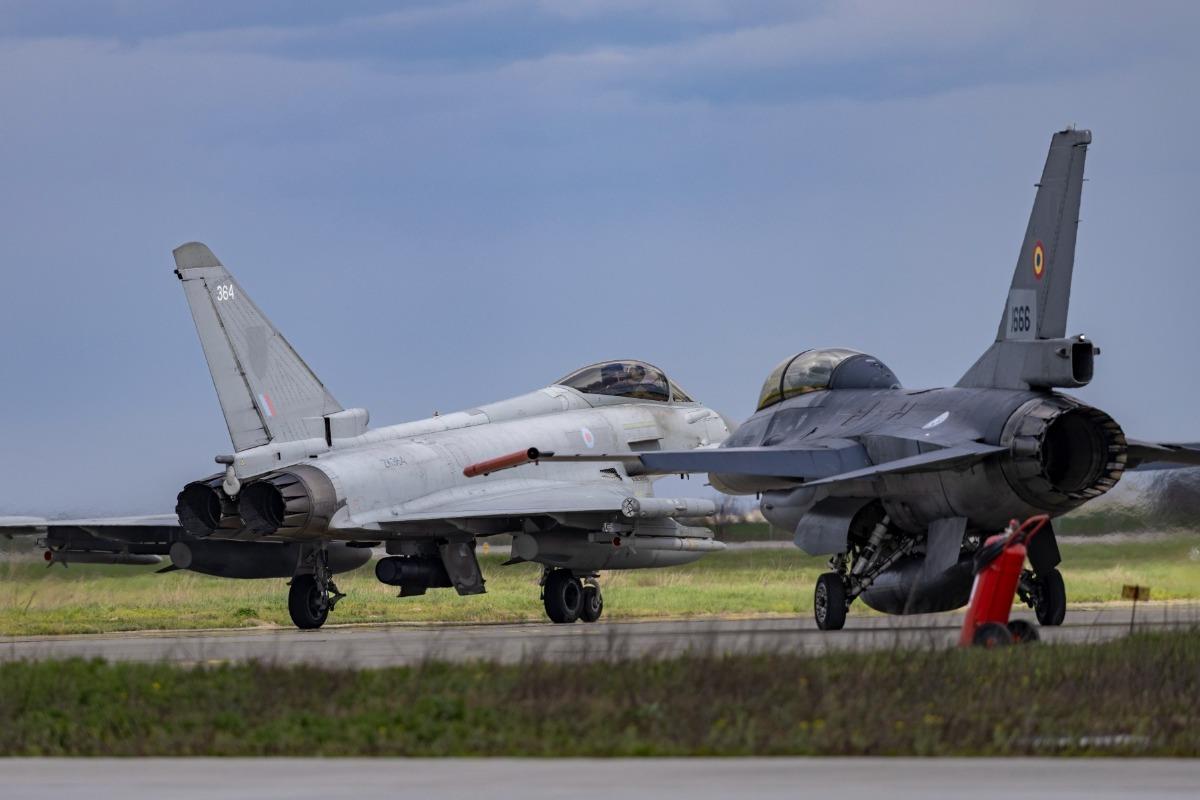
NATO is moving beyond traditional air policing in Romania as it develops a broader, integrated air-defence posture across its strategically important south-eastern flank.
The Royal Air Force’s latest deployment to Borcea Air Base has now concluded, with responsibility passing to the Spanish Air and Space Force at Mihail Kogalniceanu Air Base.
Although the handover continues NATO’s long-standing rotational presence in Romania, it also marks a wider evolution in the Alliance’s approach to defending the Black Sea region. Fighter patrols and Quick Reaction Alert aircraft are increasingly being integrated with ground-based air defences, surveillance systems, airborne early warning aircraft and multinational command networks.
The shift reflects a security environment transformed by Russia’s invasion of Ukraine and the growing threat posed by cruise missiles, unmanned aircraft and long-range aviation activity near NATO territory.
NATO’s mission is evolving beyond traditional air policing
While NATO’s enhanced Air Policing mission remains centred on protecting Allied airspace during peacetime, the Alliance is increasingly integrating those operations into a wider air defence architecture capable of responding to a broader range of threats.
Traditional Air Policing focuses primarily on maintaining Quick Reaction Alert (QRA), enabling fighter aircraft to intercept unidentified or non-compliant aircraft approaching or entering NATO airspace. Aircraft remain on constant readiness to launch within minutes, identifying, escorting or, where necessary, responding to potential airspace violations.
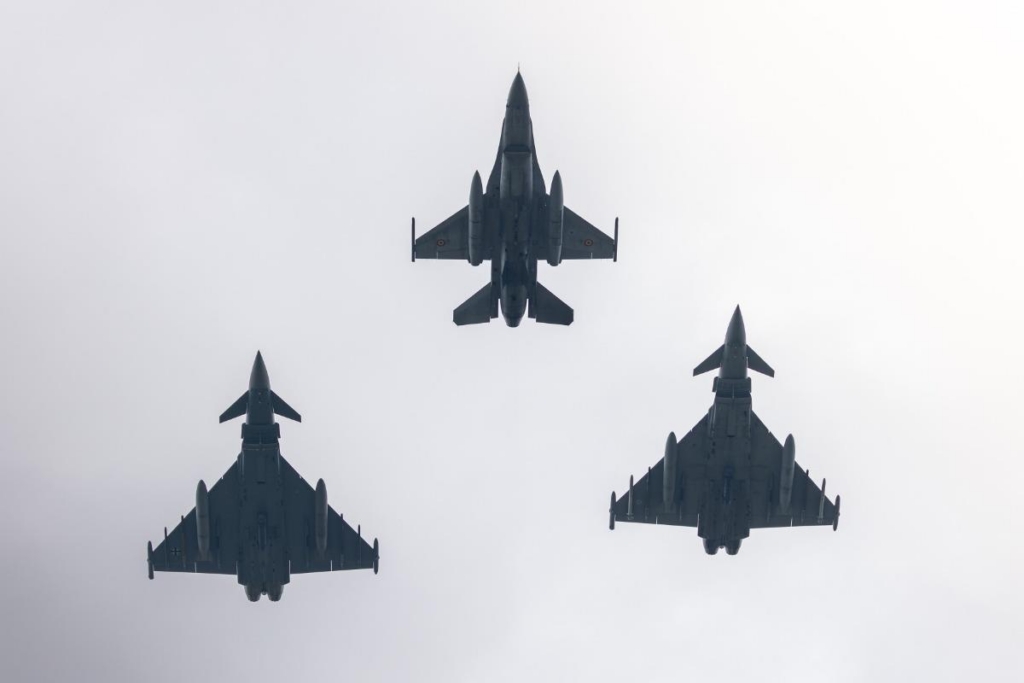
The emerging Air Defence model is considerably broader. Under NATO’s Integrated Air and Missile Defence construct, combat aircraft operate alongside ground-based air defence systems, surveillance radars, airborne early warning assets and multinational command-and-control networks to provide layered protection against increasingly complex threats, including cruise missiles, unmanned aerial systems and long-range aviation activity.
The transition announced at the conclusion of the RAF deployment reflects NATO’s assessment that the security environment on its eastern flank now demands greater flexibility than traditional air policing alone can provide.
Romania has become a critical hub on NATO’s eastern flank
Romania’s strategic importance within NATO has grown considerably over the past three years.
Bordering Ukraine and overlooking the western Black Sea, the country has become a key location for Allied surveillance, logistics, training and deterrence activities. NATO has steadily reinforced its presence in Romania since 2022 through multinational battle groups, rotational air deployments and increased maritime and intelligence operations aimed at reassuring eastern Allies and maintaining stability across the region.
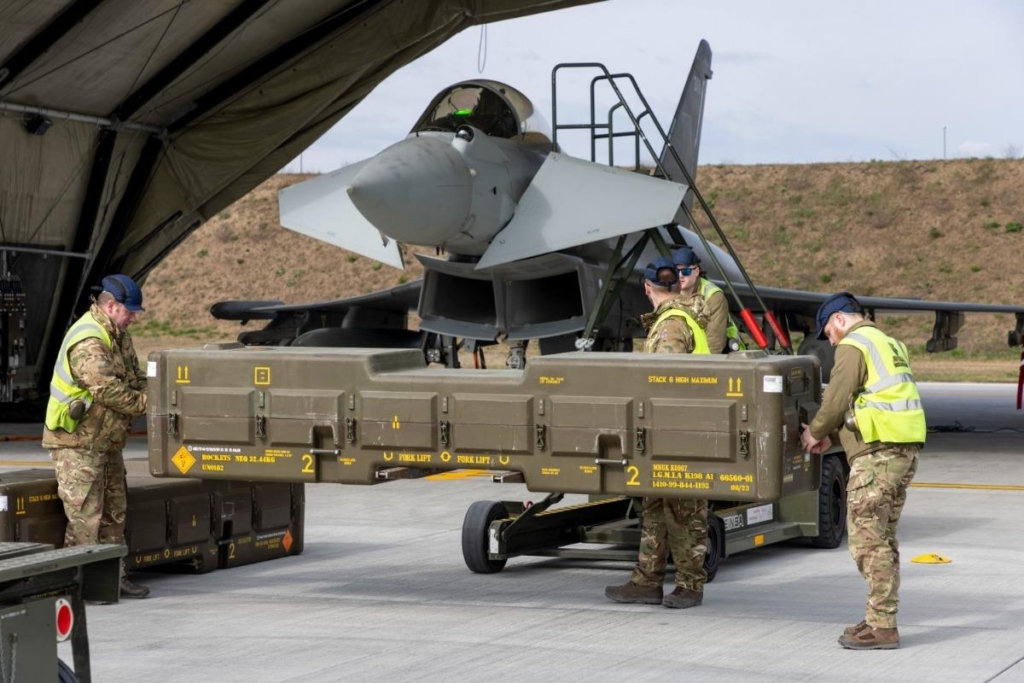
Within that broader effort, enhanced Air Policing missions have played an important role in maintaining continuous Allied air presence while demonstrating NATO’s ability to respond rapidly to activity along one of its most sensitive frontiers.
The RAF’s deployment formed part of Operation Eastern Sentry, NATO’s enhanced Air Policing mission covering the Alliance’s south-eastern region, complementing similar rotational deployments conducted under Baltic Air Policing in northern Europe.
Rotation continues but mission takes on wider significance
Although personnel and aircraft will change, NATO’s objectives remain consistent: maintaining credible deterrence, reassuring eastern Allies and preserving freedom of operation across the Black Sea region.
The move from a traditional enhanced Air Policing deployment towards a broader Air Defence role reflects NATO’s effort to integrate fighter operations more closely with its wider air and missile defence network. Rather than relying solely on aircraft held at readiness, the Alliance is building a layered, multinational system capable of responding to a wider range of aerial threats with greater speed and coordination.
The handover in Romania is therefore not simply the end of another RAF rotation, but part of NATO’s transition towards a more persistent, layered and integrated system for defending the skies above its eastern frontier.
Sign up for our newsletter and get our latest content in your inbox.
Similar Reads