

Doncaster Sheffield Airport reopening: What needs to happen before flights return


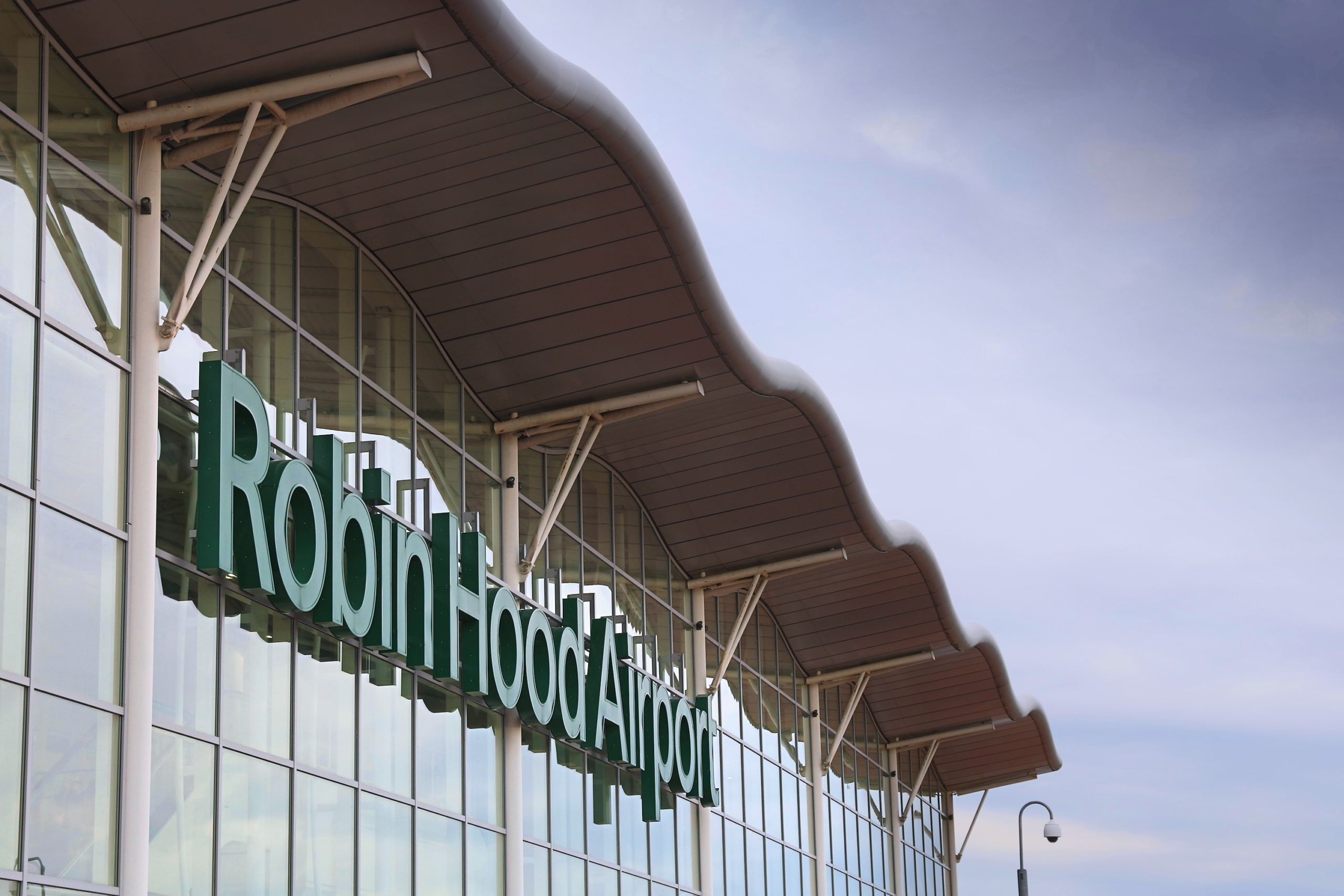
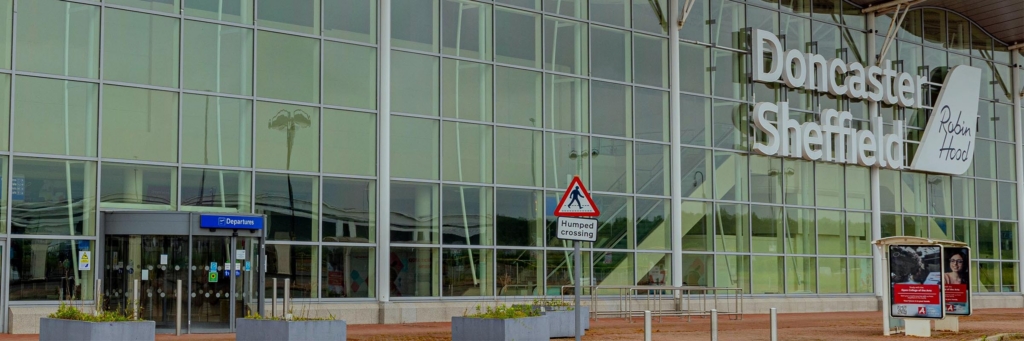
Doncaster Sheffield Airport has reached another significant stage in its proposed reopening, with a public consultation now under way on plans to reinstate the controlled airspace required for commercial operations.
The consultation opened on 3 August and runs until 4 October 2026.
It follows the UK Civil Aviation Authority’s (CAA) approval of the airport’s Airspace Change Proposal, allowing it to progress to the consultation stage. Re-establishing controlled airspace is one of several regulatory hurdles the airport must clear before normal commercial operations can resume.
Current plans envisage some cargo and limited passenger activity beginning in winter 2027, with more significant scheduled passenger operations expected from summer 2028.
Airspace consultation marks next regulatory step
When Doncaster Sheffield Airport closed, the controlled airspace associated with its commercial operations was eventually removed.
FlyDoncaster, the council-owned company overseeing the airport, is now working through the CAA’s formal Airspace Change Process to reinstate it.
The current consultation allows residents, businesses and other interested parties to comment on the proposed airspace arrangements. Documents are available online and at 14 locations around the area.
Christian Foster, director of FlyDoncaster, described reaching consultation as “absolutely crucial” to the reopening programme.
“We want to hear the views of people from across Doncaster and beyond, so that they can have a meaningful say about the airspace connected to this airport. As a community asset, it’s vital that we engage with those who live and work nearby to us and ensure we listen to the views of local people,” Foster said in a VisitDoncaster announcement of the consultation.
“Reaching another milestone in this process allows us to accelerate the good work that has already been done to engage with airlines and operators, helping to ensure that we can reopen the airport in a safe and successful manner. We continue to build an expert team to help us do that and we look forward to hearing the views expressed during the consultation.”
Once the consultation concludes, its findings will inform subsequent stages of the CAA process.
Airspace reinstatement is only one part of the reopening programme. The airport will also require the infrastructure, systems, staff and regulatory approvals necessary to support commercial flights.
Commercial operations remain targeted for 2027–28
The proposed reopening timetable has changed several times.
Earlier plans envisaged passenger flights returning in 2026. However, further assessment of the work required to restore the airport showed that this timetable was unrealistic.
When South Yorkshire leaders approved up to £159.52 million towards the reopening in September 2025, the South Yorkshire Mayoral Combined Authority said significant passenger operations were unlikely before summer 2028. Limited passenger and cargo activity could potentially begin during winter 2027.
The authority said it would take approximately two years to complete airspace reinstatement and aerodrome certification alongside other infrastructure work.
Summer 2028 therefore remains the key target for the return of more substantial passenger services, although some aircraft operations could begin before then.
Why Doncaster Sheffield closed
The site began life as RAF Finningley, a military airfield with a runway capable of accommodating large aircraft. It was subsequently redeveloped as a commercial airport and opened as Robin Hood Airport Doncaster Sheffield in 2005.
The airport struggled, however, to establish the passenger volumes its owners considered necessary for long-term profitability.
The situation became critical in 2022. Wizz Air withdrew its Doncaster Sheffield-based operation that summer, leaving TUI as the airport’s principal scheduled airline.
Owner Peel Group carried out a strategic review and concluded that the airport was no longer financially viable. Despite efforts by local politicians to prevent its closure, passenger operations ended in autumn 2022.
The decision left South Yorkshire without its own commercial international airport and a substantial existing aviation asset without regular passenger operations.
The route back to commercial operations
Doncaster Sheffield Airport’s infrastructure was preserved while local authorities pursued plans for reopening.
City of Doncaster Council secured a 125-year lease for the airport in March 2024. Limited non-commercial flying subsequently resumed, including operations by aviation company 2Excel.
The project has nevertheless faced political and financial uncertainty. In May 2026, following an extraordinary council meeting, Doncaster Council confirmed that the airport programme could recommence. Discussions with the landowner were also restarted.
The current airspace consultation demonstrates that the regulatory work required to support a reopening is continuing, but several important stages remain before scheduled commercial operations can return.
The economic case for reopening
Support for reopening Doncaster Sheffield extends beyond restoring passenger flights. Its closure left South Yorkshire without a commercial international airport of its own.
Passengers can use airports including Leeds Bradford, Manchester and East Midlands, but supporters of the Doncaster Sheffield project argue that an airport in South Yorkshire could improve regional connectivity while supporting investment and employment.
The South Yorkshire Mayoral Combined Authority says the project could also support sustainable aviation, advanced manufacturing, freight and defence-related activity alongside passenger services.
The commercial case is not without risk.
The authority has acknowledged that lower-than-expected passenger and property income could make the project unaffordable within the funding available. Increasing traffic sufficiently to support the investment will require experienced management and a successful long-term commercial strategy.
The challenge is therefore not simply to recreate the airport that closed in 2022, but to establish a model capable of supporting a more resilient operation.
Doncaster Sheffield could take on a wider role
The current strategy places the airport at the centre of a proposed “South Yorkshire Airport City” development.
Doncaster Council has set a goal of increasing the airport’s economic contribution to the region. Direct employment related to airport operations would rise from around 800 jobs before closure to approximately 5,500, while the council expects GVA to increase from £1 billion to more than £2 billion.
Freight could also form a more important part of the airport’s future operation. Doncaster Sheffield’s long runway enables it to accommodate large long-haul aircraft, while its location near major road and rail corridors could support logistics activity.
That could give the reopened airport a more diversified commercial model than one reliant primarily on leisure passenger traffic.
Airline commitments remain a key unknown
No major scheduled airline has yet announced a confirmed flight programme for the planned 2028 reopening.
FlyDoncaster has said it wants to work with several airlines rather than becoming heavily dependent on a single carrier again. Securing airline commitments will be one of the most important factors in determining whether the reopening programme can deliver a commercially sustainable airport.
For now, the immediate focus remains on progressing through the airspace change process.
Completing the consultation and securing the regulatory approvals that follow would move Doncaster Sheffield another step towards an unusual outcome in UK aviation: the return of regular commercial operations to an airport that has been closed to passenger traffic since 2022.
Sign up for our newsletter and get our latest content in your inbox.
Similar Reads


Sign up for our newsletter. Select all sectors relevant to you.
Related