

Extreme space weather could disrupt flights and damage aircraft systems, study warns


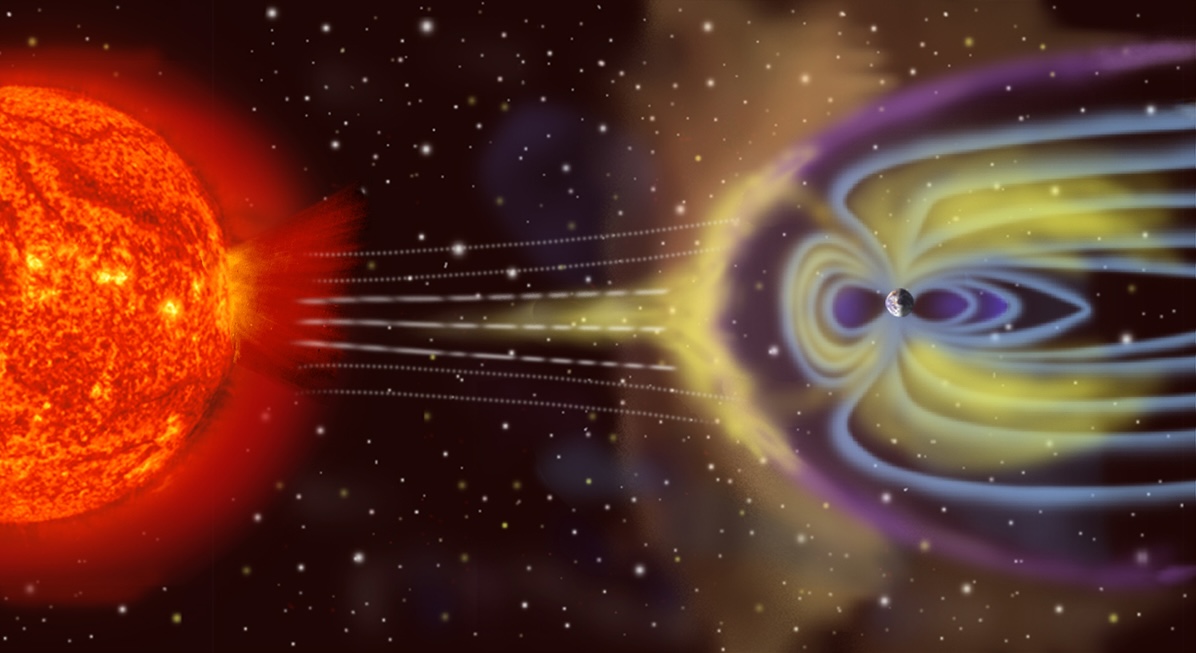
Extreme space weather could expose aircraft to sharp increases in radiation, disrupt avionics and force airlines to reroute or ground flights, according to new research from the University of Surrey.
The study, published in the Journal of Space Weather and Space Climate, examines how high-energy particles affect aircraft at typical cruising altitudes of 8-14 km. Researchers at the Surrey Space Centre (SSC) say aviation needs better tools to manage rare but potentially severe radiation events.
While the atmosphere shields aircraft from some cosmic radiation, exposure increases with altitude and latitude. Solar storms can push radiation levels much higher.
During a major solar event in November 2025, SSC measurements found that radiation levels at high altitudes briefly reached nearly 10 times those under normal flight conditions. Researchers say the much stronger February 1956 event, the largest of its kind in the instrumental record, could have exposed passengers to the equivalent of around a year’s normal flight-related cosmic radiation.
How space weather can affect aircraft electronics and onboard computers
For aviation, the researchers say the effect on electronics could present a greater operational challenge than the radiation exposure to passengers and crew.
High-energy particles can cause Single Event Upsets (SEUs), sometimes called bit flips, on semiconductor devices. These errors can affect computer operation and corrupt data.
Modern aircraft use redundancy and fault-tolerant architectures to manage SEUs. However, an extreme radiation event could dramatically increase the rate of occurrence, challenging these standard defenses. The SSC study estimates that rates could increase from a few events per hour under normal conditions to thousands of occurrences during an extreme space weather event.
Airbus A320 investigation brings attention to space weather risks
The issue received greater attention in 2025 after Airbus identified a vulnerability affecting A320 Family aircraft.
Airbus said intense solar radiation could potentially corrupt data critical to flight controls and called for precautionary action affecting around 6,000 aircraft.
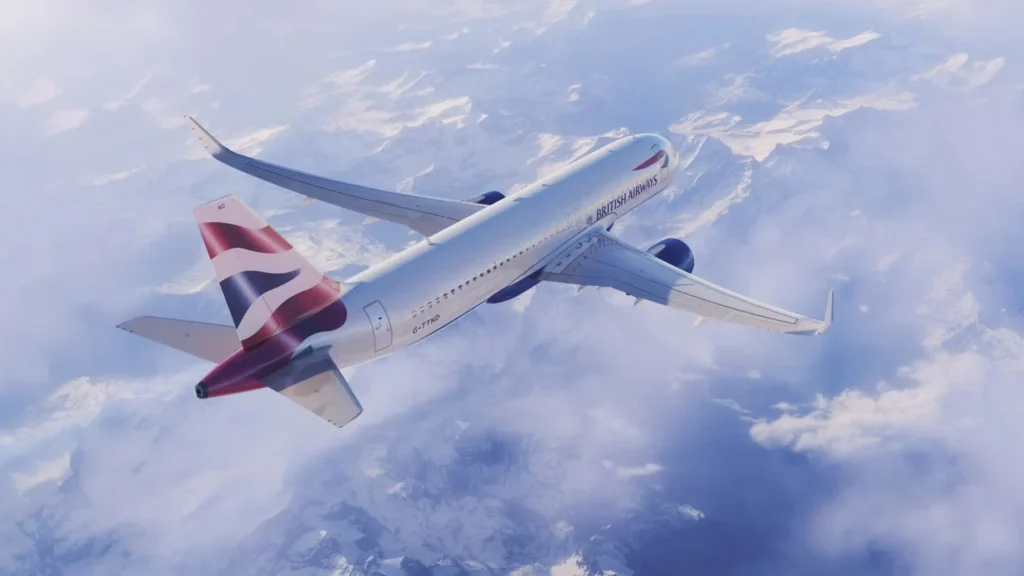
The action followed an October 2025 incident involving a JetBlue A320 flying from Cancún to Newark. The aircraft experienced an uncommanded loss of altitude and diverted to Tampa.
“The recent Airbus A320 grounding linked to cosmic radiation shows that space weather is not a theoretical risk; it is already affecting aviation,” said Dr Fan Lei, Senior Research Fellow at Surrey Space Centre and lead author of the study. “As aircraft systems become more advanced and increasingly reliant on electronics, understanding and preparing for these events will be critical to maintaining flight safety.”
Why polar flight routes face higher space weather risks
Aircraft operating at high latitudes face the highest exposure because the Earth’s magnetic field provides less shielding around the poles.
That makes polar and near-polar long-haul routes particularly vulnerable. During severe geomagnetic storms, elevated radiation conditions can extend much farther south, including over the UK.
Operational responses could include flying at lower altitudes or rerouting aircraft towards lower latitudes. In sufficiently severe conditions, flights could potentially be grounded. Such measures would have knock-on effects for fuel consumption, journey times, crew scheduling and network operations.
New aviation radiation scale could improve flight safety during solar storms
The Surrey team says existing aviation safety frameworks do not adequately address rare extreme space weather events.
Researchers propose a new atmospheric radiation scale designed specifically for aviation. It would establish thresholds for responses ranging from increased monitoring to rerouting or grounding flights.
The scale uses high-energy proton measurements from space and ground-level neutron monitors. These can be combined with Surrey’s MAIRE radiation modelling and SAIRA aircraft monitoring technology to assess conditions at flight altitude.
The proposed system is intended to translate space weather observations into operational information airlines can use in flight planning.
“An atmospheric radiation scale has been needed for a long time, as current alerts based on low-energy proton events give at least ten false alerts for every true alert,” said Professor Clive Dyer, Visiting Professor at the Surrey Space Centre and co-author of the study.
Professor Keith Ryden, leader of the Space Environment and Protection research team at Surrey Space Centre, said:
“At the moment, there is no consistent way for the aviation sector to assess and respond to extreme space weather risks. We’ve introduced a clearer, aviation-specific radiation scale to help support more informed decision-making in aviation, helping operators act quickly to protect passengers, crew and critical onboard systems.”
Sign up for our newsletter and get our latest content in your inbox.
Similar Reads

Sign up for our newsletter. Select all sectors relevant to you.
Related