

UK satellite funding targets connectivity ‘not-spots’ for farmers and remote railways



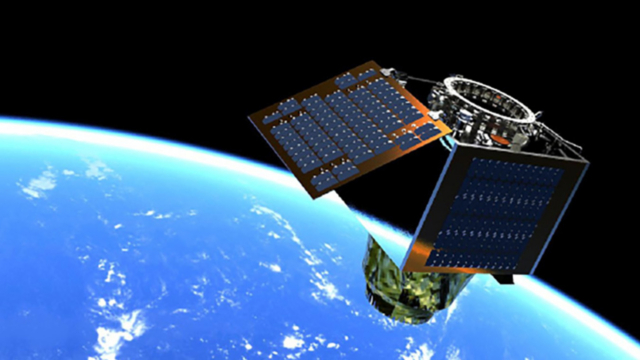
The UK Space Agency is investing £13 million in 16 projects designed to develop the satellite communications technologies needed for future 5G and 6G networks, remote connectivity and increasingly data-hungry space missions.
Among the most immediately tangible projects are trials aimed at eliminating connectivity ‘not-spots’ on railways and giving farmers access to connected sensors even where conventional broadband and mobile networks cannot reach.
The funding is being delivered through the European Space Agency’s Advanced Research in Telecommunication Systems (ARTES) programme.
Satellite broadband to tackle railway connectivity not-spots
CGI has received £428,000 for its Satellites for Digitalisation of Railways, or SODOR, project.
A ScotRail train operating on the West Highland Line will be fitted with satellite communications equipment to test whether broadband can be maintained through areas where terrestrial mobile coverage is limited or unavailable.
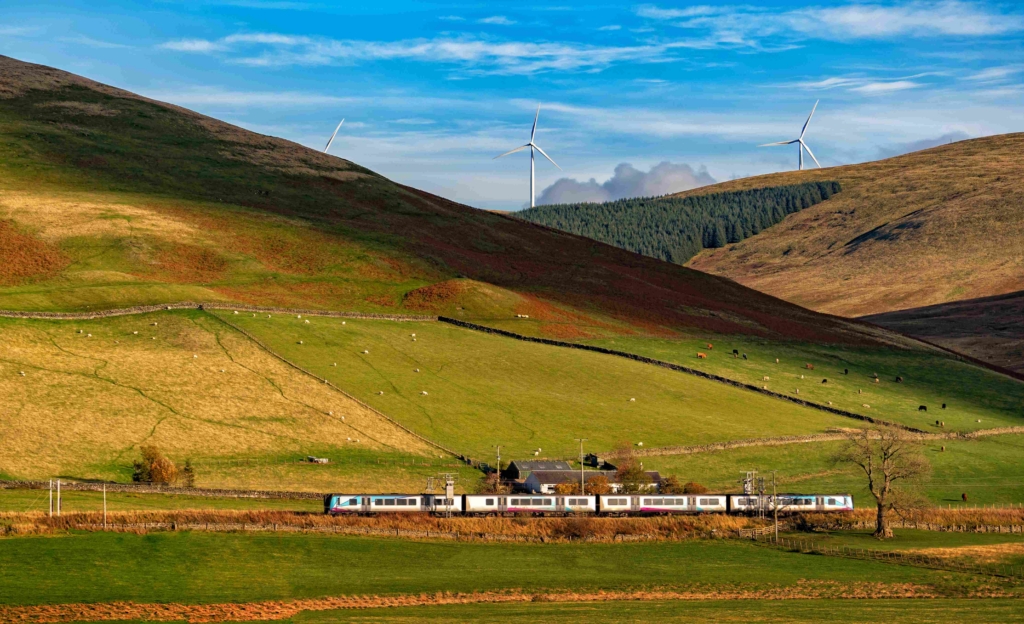
The trial forms part of government work towards introducing satellite connectivity on mainland trains, to improve both availability and connection speeds for passengers.
For satellite communications companies, transport represents a potentially significant market precisely because mobile networks struggle to provide uninterrupted coverage across remote routes.
Satellite-connected sensors could bring precision farming to remote areas
The same problem exists across large parts of rural Britain.
Farmer Charlie has been awarded £199,000 to develop its GAUFF sensor, a low-cost system designed to monitor crops, soil and local environmental conditions.
The devices will switch between satellite and terrestrial mobile connectivity, allowing farmers to access real-time data even in areas with poor or non-existent conventional internet coverage.
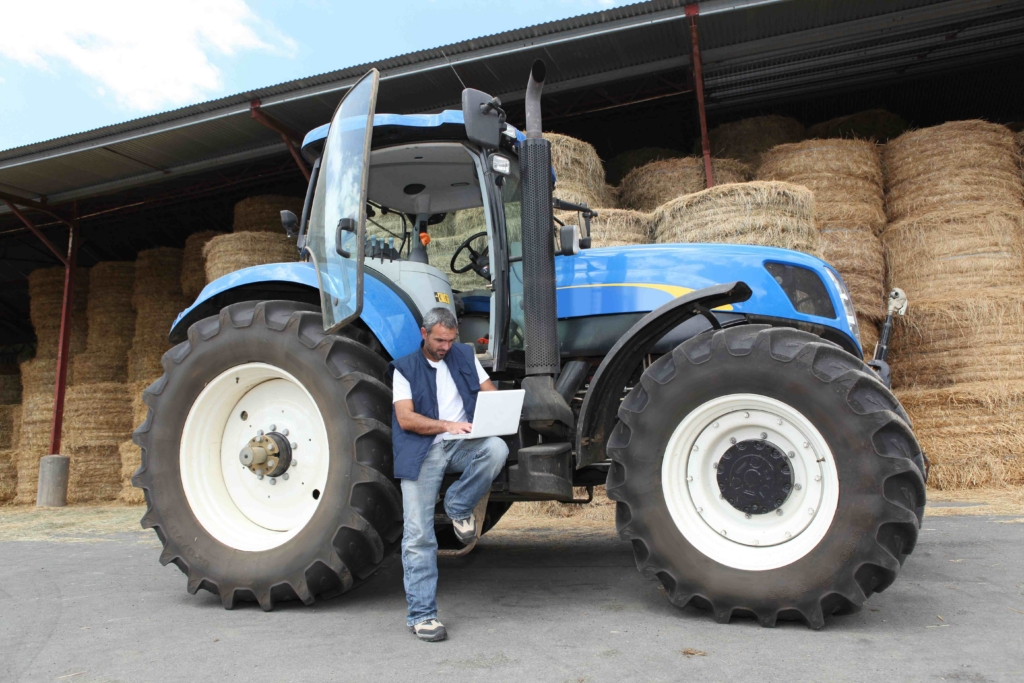
The company expects the technology to help growers make better-informed decisions, improve productivity and reduce waste, with the government saying it could become available by the end of summer 2027.
Lacuna Space is tackling a related challenge with £429,000 to develop a new generation of small, affordable satellite-connected devices for sensors and other Internet of Things applications. The project will also manufacture the equipment in the UK.
UK funding backs faster satellite and optical communications
The funding stretches well beyond rural connectivity.
Exobotics has secured the largest individual award, £2.1 million, for its STARS project with Archangel Lightworks and the University of Nottingham.
The project will develop optical communications capable of moving mission-critical data rapidly between satellites and the ground, while delivering the first satellites for a proposed future data-relay network.
Archangel Lightworks is separately receiving £1.845 million for Optimus, a laser communications system designed to transmit data at more than 100 gigabits per second, around ten times faster than its predecessor.
Other projects are developing cheaper optical ground stations, more powerful laser communications and digital ground infrastructure capable of supporting increasingly flexible satellite networks.
Satellite technology prepares for 5G, 6G and deep-space communications
Another strand of the programme is focused on making satellites and terrestrial networks work more closely together.
Aalyria Technologies is developing software that will allow users to move between conventional mobile coverage and satellite networks while remaining connected, with AI also being used to reduce interference between satellites for future 5G and 6G services.
Airbus Defence and Space UK, meanwhile, has received £1.5 million for technology allowing satellite processor functions to be reprogrammed and updated after launch rather than remaining fixed for the life of the spacecraft.
At the furthest end of the communications challenge, projects involving BAE Systems, Aalyria and Goonhilly Earth Station are looking at technology needed to communicate reliably with lunar and deep-space missions.
Taken together, the 16 projects show satellite communications moving beyond the traditional idea of simply connecting spacecraft to the ground.
For passengers travelling through a Scottish valley or a farmer working beyond the reach of a mobile mast, the more immediate promise is simpler: fewer places where being connected is no longer an option.
Sign up for our newsletter and get our latest content in your inbox.
Similar Reads




Sign up for our newsletter. Select all sectors relevant to you.
Related