Flarebright builds UK production capability for GPS-free drone navigation


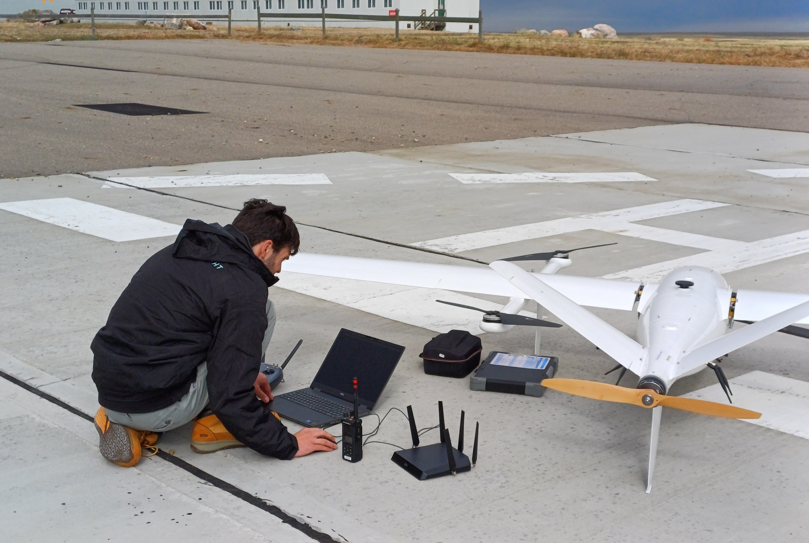
UK navigation specialist Flarebright is moving from research into production with technology designed to keep drones flying when GPS signals are jammed or spoofed.
The company has established a 5,500 sq ft manufacturing facility in Aylesbury, Buckinghamshire, as it develops its Tactera navigation offering and pursues export opportunities.
During a briefing, founding CEO Dr Kelvin Hamilton explained that Flarebright had progressed from a research-led business to one manufacturing and selling products, with further plans to take its navigation technology into the maritime domain.
GPS-free drone navigation
Tactera combines information from onboard sensors to allow aircraft to continue navigating without GPS. Its full-stack configuration can incorporate sensors such as a radar altimeter and LiDAR, addressing a vulnerability highlighted by the war in Ukraine.
Flarebright describes Tactera as a software system with a hardware option, allowing customers to integrate its software with existing equipment or use a more complete navigation package.
Explaining the appeal to customers, Hamilton said: “They’ve already got all the hardware they need on their drone; they just need our software so they can fly without GPS and that’s what we’re really focused on as a business.”
The company’s earlier work received support from the Defence and Security Accelerator (DASA). A government case study published in 2023 reported that a DASA-backed project had delivered a fixed-wing drone capable of flying without GPS or remote control. It also recorded contracts with the UK Ministry of Defence and the US Department of Defense.
The journey of a UK SME
Founded in 2015, Flarebright is establishing joint ventures with partners around the world as it builds its export business.
Company representatives explained that SMEs are encouraged to have a strong export base to support their operations. They praised UK embassies for putting the company in touch with government representatives and prime contractors in key markets.
At the briefing, Flarebright said publication of the UK’s Defence Investment Plan had provided some momentum, offering signs that the market was starting to move again.
Business development coordinator Ricardo Dowling said the government was beginning to recognise the contribution defence SMEs make to both the industry and the wider economy.
“SMEs make all this stuff happen,” he said.
New demonstrations and maritime ambitions
To demonstrate the system, Flarebright outlined plans to equip a general aviation aircraft for a GPS-free flight through the Mach Loop in mid-Wales. Longer-term ambitions included flights over island chains between Japan and Taiwan.
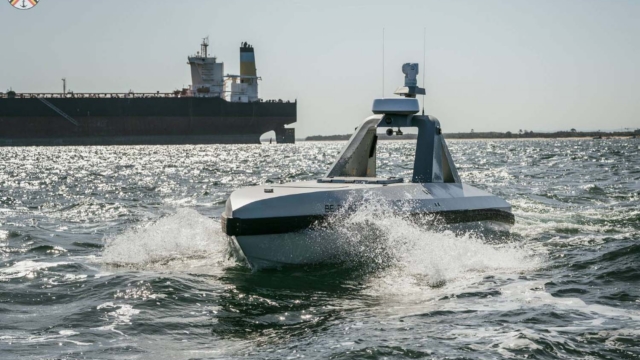
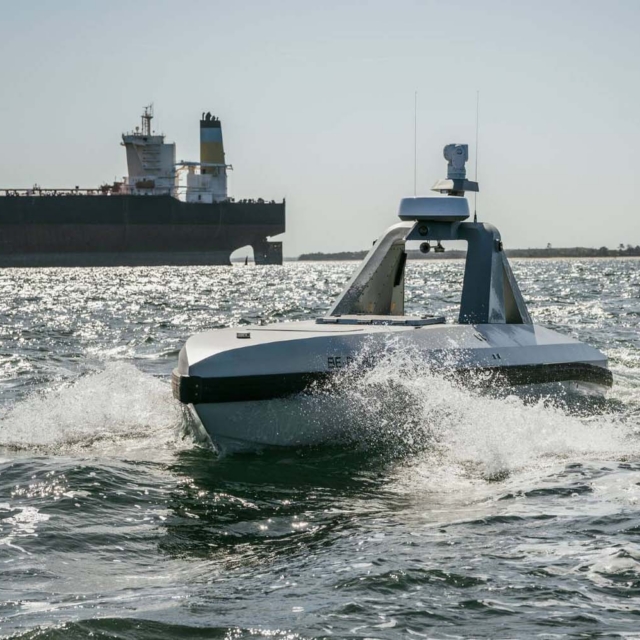
Away from aviation, the company sees an opportunity to apply its software to customers’ maritime hardware, including uncrewed surface and subsurface vessels.
Company representatives highlighted navigation interference in the Strait of Hormuz as a reason to develop alternatives to satellite navigation. The maritime application remains an area of development.
Alongside its existing product sales, Flarebright said at the briefing that it planned a formal launch of the Tactera full-stack system at DSEI 2027.
Sign up for our newsletter and get our latest content in your inbox.
Similar Reads




Sign up for our newsletter. Select all sectors relevant to you.
Related