

SatVu’s HotSat-3 launches on SpaceX mission to double thermal satellite capacity


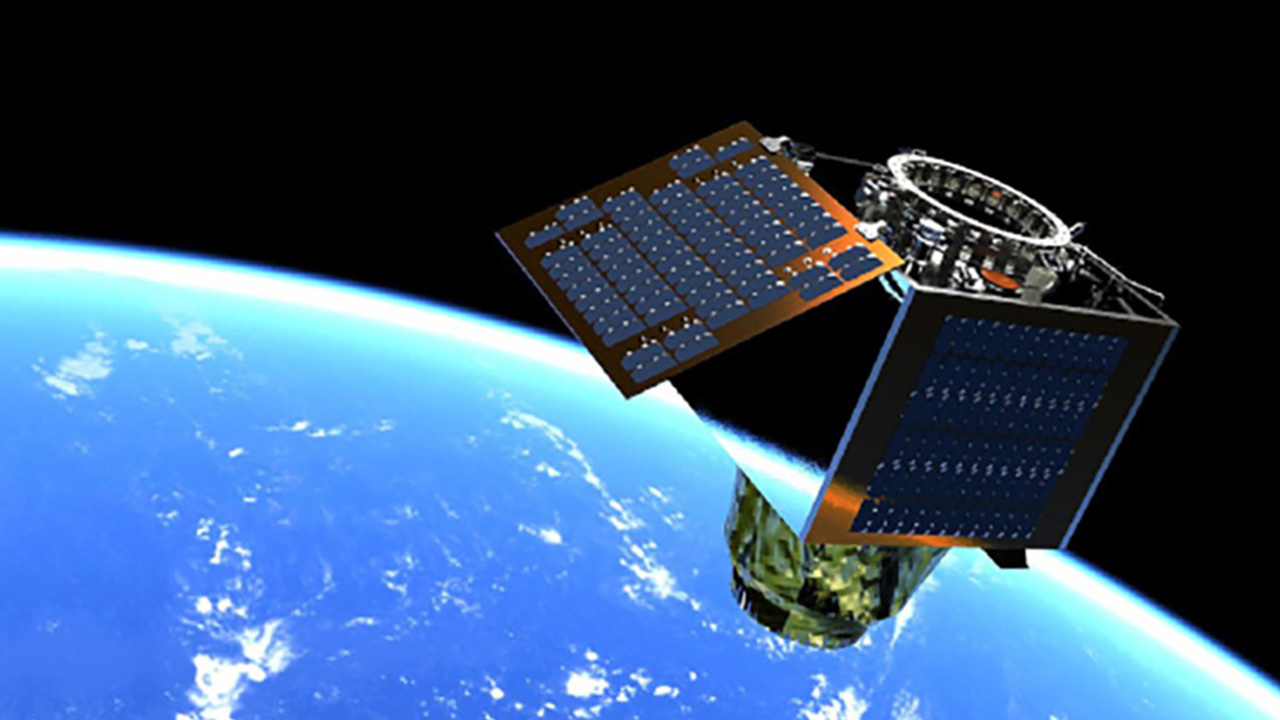
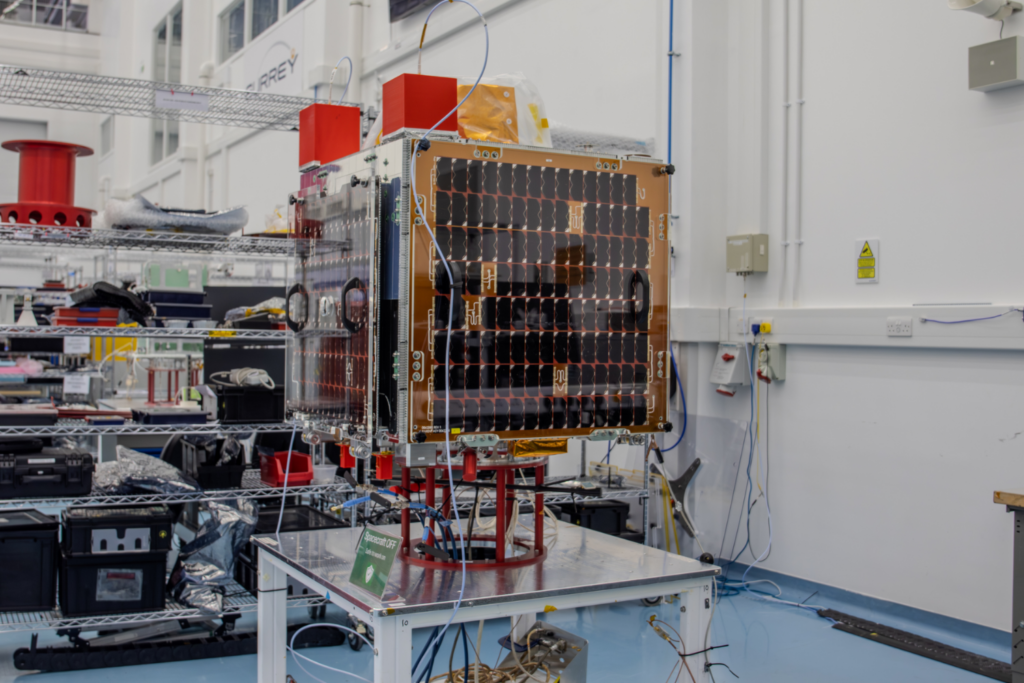
SatVu has launched HotSat-3, its latest mid-wave infrared sensing satellite, aboard SpaceX’s Transporter-18 rideshare mission from Vandenberg Space Force Base in California.
The British thermal intelligence company said HotSat-3 will double its constellation collection capacity once commissioning is complete. The satellite will operate alongside HotSat-2, enabling SatVu to collect high-resolution thermal imagery day and night, with the ability to revisit any location on Earth every 24 hours.
HotSat-3 is SatVu’s third 3.5m resolution mid-wave infrared satellite and forms part of the company’s move towards more persistent thermal intelligence from space.
SatVu expands thermal intelligence from space
The additional capacity will allow customers to observe the same strategic sites more frequently, building time series data that can show whether an asset is active, how intensely it is operating and how that activity is changing over time.
SatVu’s thermal imagery can detect heat signatures from assets and infrastructure including vehicle and vessel engines, generators, gas flares, petrochemical facilities, rail cars, data centres, maritime vessel wakes, power plant cooling effluent plumes and industrial heat sources.
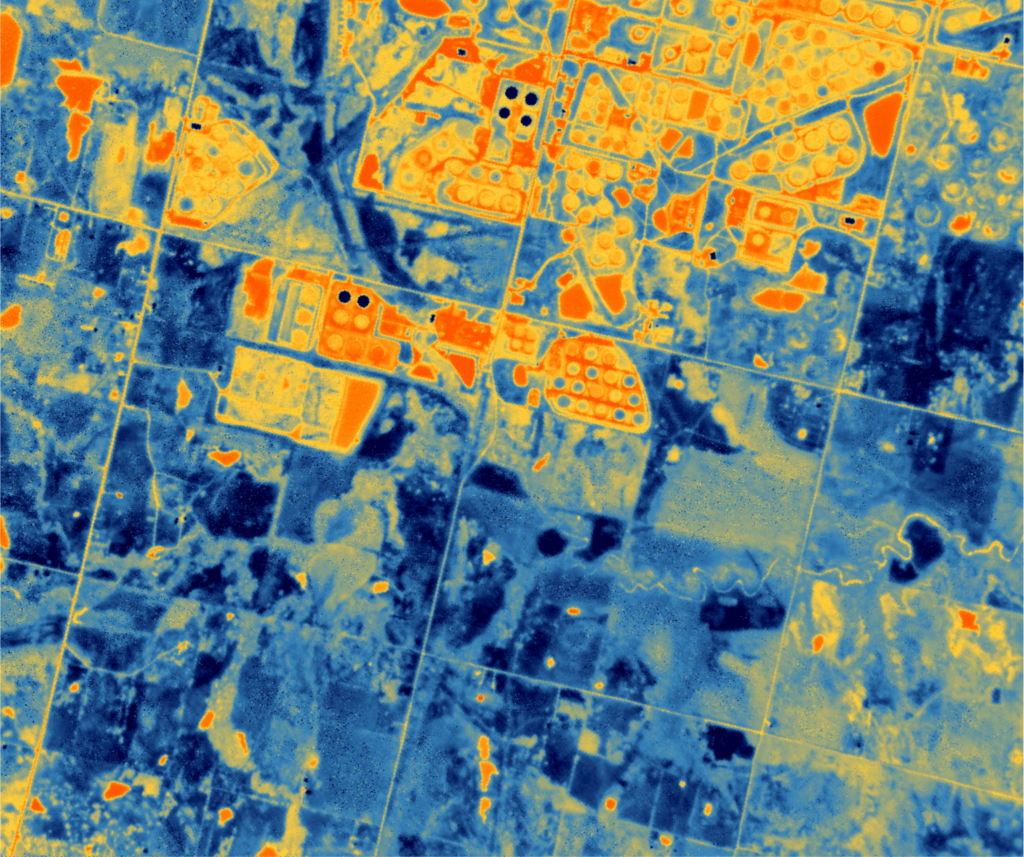
The company said this capability is relevant across defence and intelligence, economic intelligence and climate resilience markets.
For defence and intelligence users, high-resolution thermal data can provide an independent layer of information for assessing activity at strategic sites and critical infrastructure, including at night or in locations where ground information may be limited or delayed.
HotSat-3 to support daily site monitoring
Anthony Baker, chief executive and co-founder of SatVu, said: “HotSat-3 is where the constellation optimises what we can deliver for customers.
“With two operational satellites, we will have double the capacity: customers can collect twice as much imagery, monitor twice as many sites, or return to the same site more often.”
He said repeated observation would allow users to move beyond single snapshots and understand how activity is changing.
“Return to a site, day and night, and you can read its operational state by what is hot and what is not, what is on and what is off,” Baker said.
“That is the operational heartbeat we are building SatVu to measure: status, intensity and change across the assets and infrastructure that matter to governments, markets and industry.”
HotSat-3 will now enter commissioning before the start of commercial operations. SatVu said launches are already secured for HotSat-4 and HotSat-5, supporting further increases in capacity and revisit frequency as the constellation grows.
Sign up for our newsletter and get our latest content in your inbox.
Similar Reads


Sign up for our newsletter. Select all sectors relevant to you.
Related