AI to reduce 101 wait times and free up police time

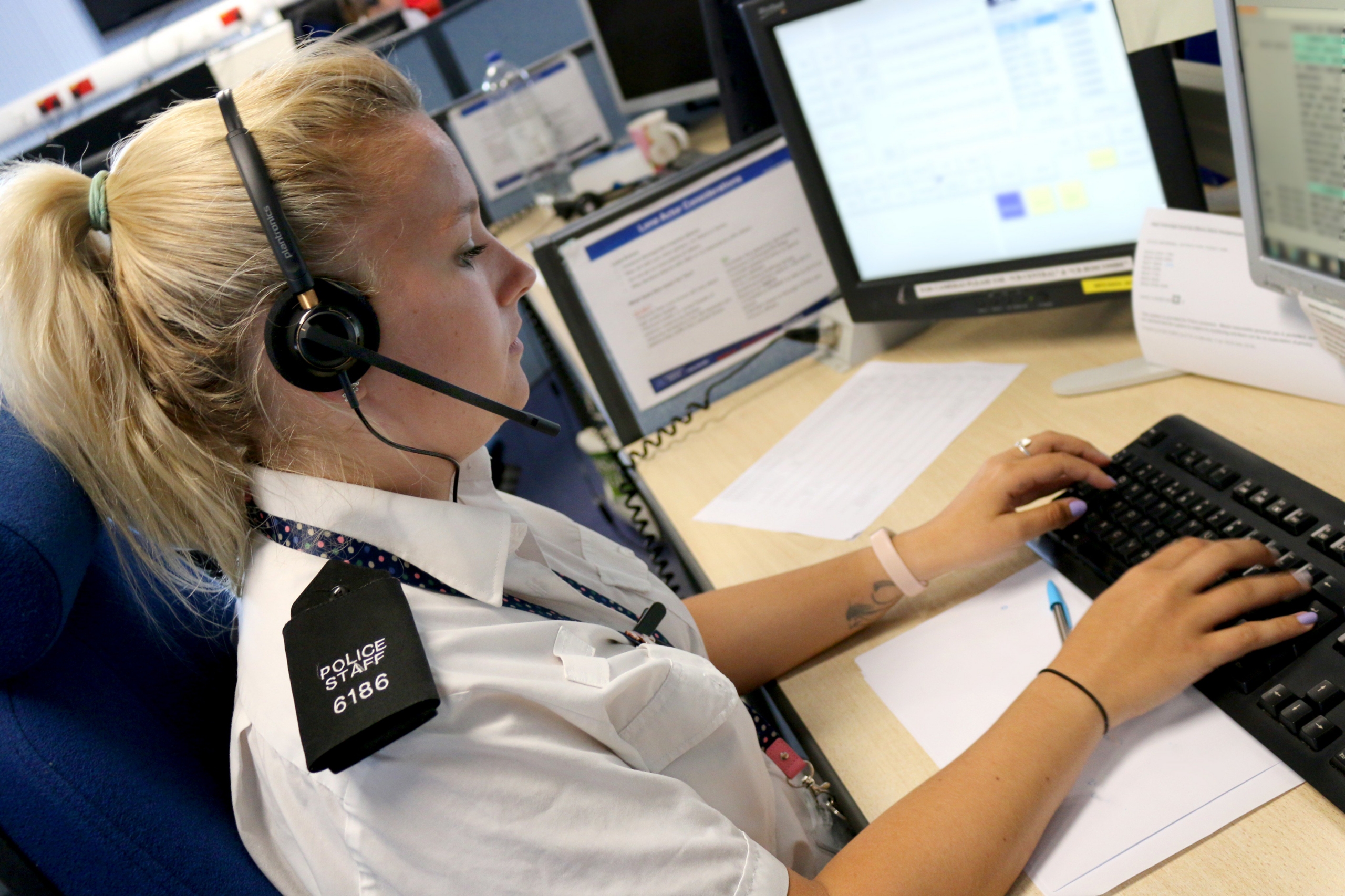
New AI software will slash waiting times for reporting crimes to the police, helping to unclog the 101 service amid huge levels of misdirected, nuisance and prank calls.
The police’s non-emergency line receives 20 million calls each year. Four million (around 20%) of these are for non-policing organisations such as local councils, NHS 111 or the 105 power outage helpline.
However, the line also receives ridiculous reports on issues from delayed pizza delivery to slow pub service and requests for a lift, wasting vital time that police should be spending tackling crime.
How the new system will route calls to the right service faster
Backed by a £1.4 million government investment, the new system will get the public to the right organisation faster, while freeing up call handlers to respond to crime reports, safeguarding concerns and victims more quickly. It is estimated that the new system will save policing up to £8.5 million each year, releasing funds for local forces to invest in their most pressing priorities.
Crime and Policing Minister, Sarah Jones, said: “Police call handlers are wasting hours fielding calls meant for other organisations. Every minute spent on these calls is time taken away from helping people who genuinely need their support.
“AI is already helping police catch dangerous criminals and speed up investigations. Now, it will help bring control rooms into the 21st century, freeing up time and unlocking millions of pounds. Forces can reinvest those savings into tackling the crime on our streets.”
The system has been developed by the Home Office and National Police Chiefs’ Council, with delivery partner Vodafone Business. It uses an AI model to match the reason someone is calling 101 to a set of likely reasons, then redirects non-police issues to the appropriate agency before the caller enters a queue.
At present, these calls are only identified after someone has spoken to a handler, wasting the caller’s time and increasing wait times for people who need police assistance.
Built-in safeguards that guarantee police response when required
The new system has undergone rigorous training and testing by the Home Office and the police to ensure its performance is not affected by factors such as callers’ accents and phrasing. During pilots in 15 police forces, it successfully diverted non-police issues, including damage-only road traffic incidents, fly-tipping, and noise complaints, to the right agencies.
There are strong safeguards in place to ensure that no one in need of police assistance is ever accidentally diverted. Callers are told how the system has understood their reason for calling and must accept or reject this.
Where the reason for calling falls into a broad category, additional safeguarding questions are asked. If the system is in any doubt, the call is passed directly to the police without delay. Callers will always be able to speak to a handler if they wish.
The use of the system may vary by force, depending on what telephone menu services they already have in place. The current 999 system has not changed.
Effectively dealing with and redirecting non-police calls
National Police Chiefs’ Council Lead for Contact Operations, A/Deputy Chief Constable Stuart Hooper, said: “This innovation addresses a long-standing challenge in public contact by using AI to triage and redirect non-police calls. It’ll help forces manage demand more effectively, freeing up call handlers to focus on those who genuinely need police support.
“We’re extremely grateful to our partners at the Home Office and Vodafone, whose work and vision have been essential in designing and delivering this capability.”
Nick Gliddon, Business Director, VodafoneThree, said: “The 101 service plays a vital role in connecting people with the police when they need them but not every call requires police intervention. By using AI to understand the reason for a caller’s contact and help direct them to the right service, we can reduce unnecessary demand and help police teams focus their time and resources where they are needed most. This is a practical example of how technology can support public services, making it easier for people to get the help they need while helping to protect valuable police resources.”
Transforming interaction between the police and the public
As part of its landmark police reform initiatives, the government is investing a record £16.5 million to modernise how the police and public interact. Alongside the new 101 triage system, this will include AI that transcribes 999 and 101 calls and links crime reports to identify patterns in demand.
John Hayward-Cripps, CEO, Neighbourhood Watch Network, said: “Neighbourhood Watch volunteers and supporters have long fed back on the delays and poor service from the overloaded 101 service reported to them from local members of the public. Neighbourhood Watch fully supports this government initiative and hopes it can be implemented quickly.”
Al Murray, Interim Director at PoliceAI, said that every minute spent dealing with a misdirected call is a minute that could be spent helping a victim or responding to a crime: “This initiative shows how AI can better redirect non-police-related calls from the system, get the public to the right service faster and free police officers to focus on the work only they can do.
“At a time when policing is facing growing demand, that matters more than ever. It is a powerful example of how technology can improve the public’s experience, strengthen support for victims and make better use of valuable police time. When introduced responsibly and with the right safeguards, AI has the potential to transform public services. This investment will help policing work more efficiently, deliver better value for taxpayers and allow officers and staff to spend more time protecting communities and tackling crime. It’s exactly the kind of practical, people-focused innovation that PoliceAI exists to support.”
Sign up for our newsletter and get our latest content in your inbox.
Similar Reads




Sign up for our newsletter. Select all sectors relevant to you.
Related