

Tiberius Aerospace’s Invictus enters testing and evaluation

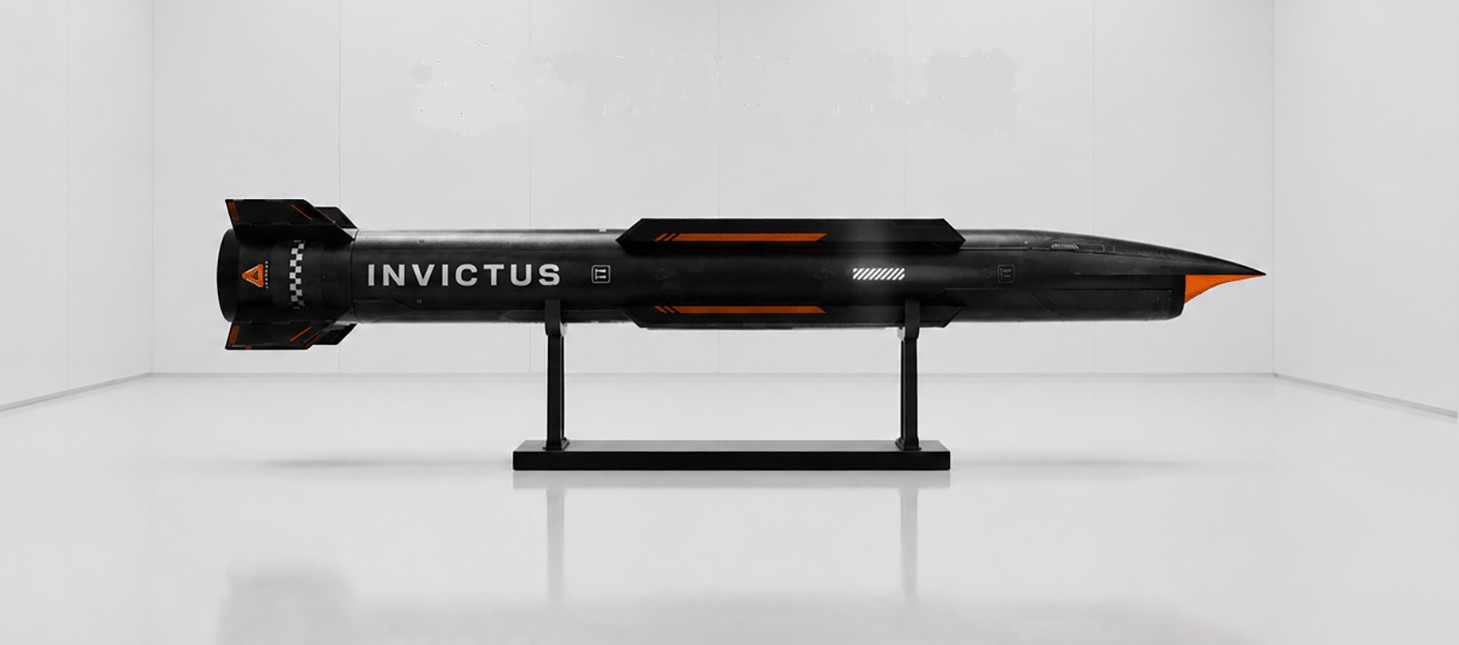
Tiberius Aerospace has announced that its ramjet-powered Mach 3 Invictus missile is moving from early laboratory investigation to prove the concept into formal engineering Test & Evaluation (T&E) development, marking a major step towards fielding its next-generation long-range precision strike system.
Invictus is a tube-launched, multi-mission system designed for integration across multiple platforms and domains. Its architecture is intended to support launch from vertical launch systems and autonomous vehicles operating across land and sea, giving war fighters greater flexibility in how long-range precision effects are delivered.
Tiberius Aerospace launched its first ramjet munition, Sceptre, in May 2025 and recently announced successful ramjet ignition during live firing in the US. This rapid development and learning has facilitated the accelerated transition of the Invictus programme from exploratory laboratory development into a proven engineering programme focused on validating propulsion, flight performance, guidance, platform integration and manufacturability through formal testing.
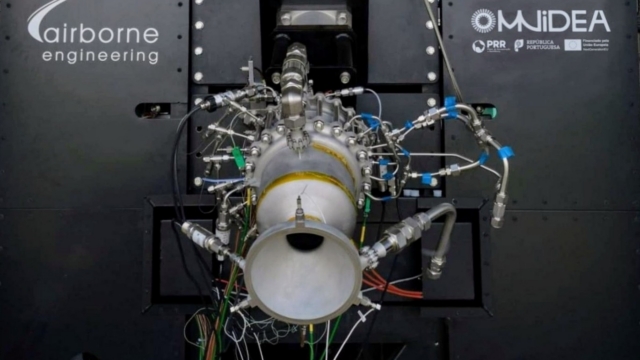
Direct-connect testing of the Invictus ramjet engine is already underway at Purdue’s Zucrow Laboratories, where the engine has demonstrated operability using Jet-A across all conditions tested to date.
Why rebuilding precision strike capabilities at pace is so important
The programme is advancing against an increasingly urgent strategic challenge: the need for the US and its allies to rebuild long-range precision strike capacity faster than traditional defence production can replenish it. The US Army used virtually all of its stockpile of ATACMS and Precision Strike Missiles during the five-month conflict with Iran, intensifying concerns about readiness for future contingencies. Across Europe, Western missile inventories have also come under growing pressure, driving NATO governments and manufacturers to accelerate production and rebuild stockpiles.
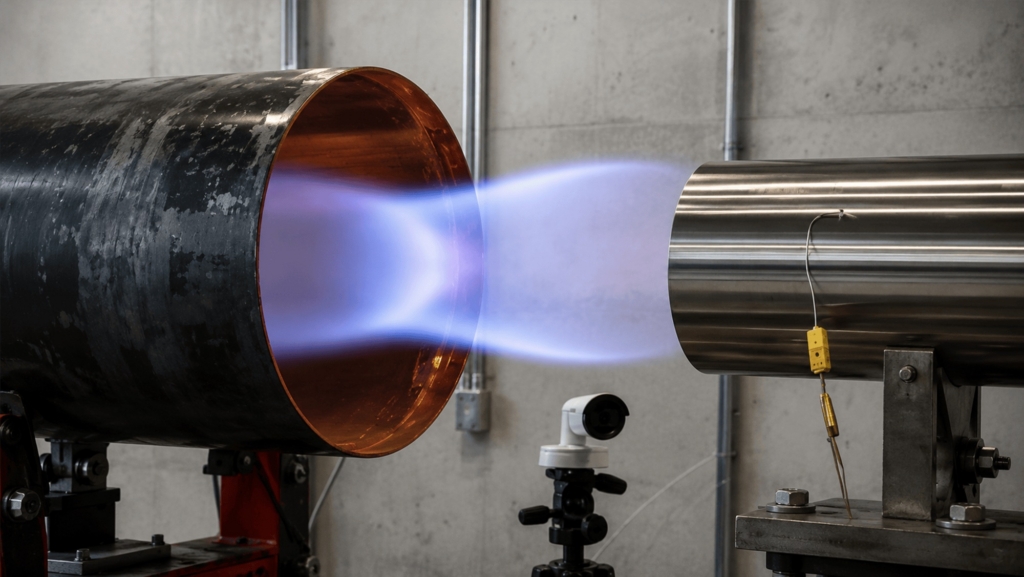
Above: Invictus being tested at Purdue’s Zucrow Laboratories. Photo: copyright Tiberius Aerospace.
Invictus is being designed to address both capability and capacity, combining long-range precision with an architecture built for adaptability and scale. The Invictus-200 will pair a ramjet with an integral booster to deliver speeds up to Mach 3 and precision strike at ranges of up to 200 kilometres, with targeting precision of 5.5-metre CEP depending on guidance configuration. Its 10–15 kilogramme payload capacity and modular, open architecture will allow the system to be configured for different missions and evolve as operational requirements change.
Driving long-range precision technology towards deployment
Chad Steelberg, Founder and CEO of Tiberius Aerospace, said: “The move into formal engineering, testing and evaluation is a major step toward turning Invictus from a promising technology into a deployable capability. Invictus and Sceptre have been designed from first principles to deliver cost-effective lethality from the outset, using our AI powered platform GRAIL to maximise the combat effect delivered for every dollar spent by simplifying the weapon, engineering it for high-volume production and building in an open architecture that can evolve without replacing the entire system.
“We have used GRAIL to enable a Silicon Valley approach to product development, connecting programme requirements with domestic and allied suppliers capable of producing components and systems and therefore supporting a broader and more resilient industrial base. Invictus will bring together long-range precision, multi-domain flexibility, cost-effective lethality and scalable production in a weapon designed not only for today’s operational requirements but for continuous adaptation throughout its service life.”
Sign up for our newsletter and get our latest content in your inbox.
Similar Reads


Sign up for our newsletter. Select all sectors relevant to you.
Related